
15 Creative Storage Ideas That Don’t Require Buying More Furniture
When storage feels tight, it’s easy to believe the only solution is more furniture. Another cabinet, another shelf, another bulky organiser that takes up just as much space as it gives.
But the truth is: you don’t always need more furniture to feel more organised. With a little creativity, you can make the most of the space you already have - beautifully, simply, and in a way that works for renters, minimalists, and anyone wanting to reduce visual clutter.
In this post, we are sharing practical storage ideas that do not require furniture, all using items you already have at home. These ideas are perfect for small rooms, tight layouts, and homes where you need furniture-free storage that still looks calm and intentional.
Let’s dive in.
1. Use Vertical Space You’ve Never Thought About
Most homes have hidden vertical potential in the areas above doors, the sides of wardrobes and the full height of shelves that often go unused, which makes vertical space one of the simplest ways to gain storage without adding furniture.
A few clever ideas:
Stack lightweight, lidded baskets on the top shelf of wardrobes
Use the inside of airing cupboards or utility room doors to hang tools or cleaning accessories
Store seasonal items or rarely used pieces above kitchen cabinets
Run thin, renter-friendly adhesive hooks along the sides of wardrobes for bags or scarves
These storage ideas do not require drilling or buying new pieces. They simply reposition what you already have.
2. Double-Duty Your Existing Shelves
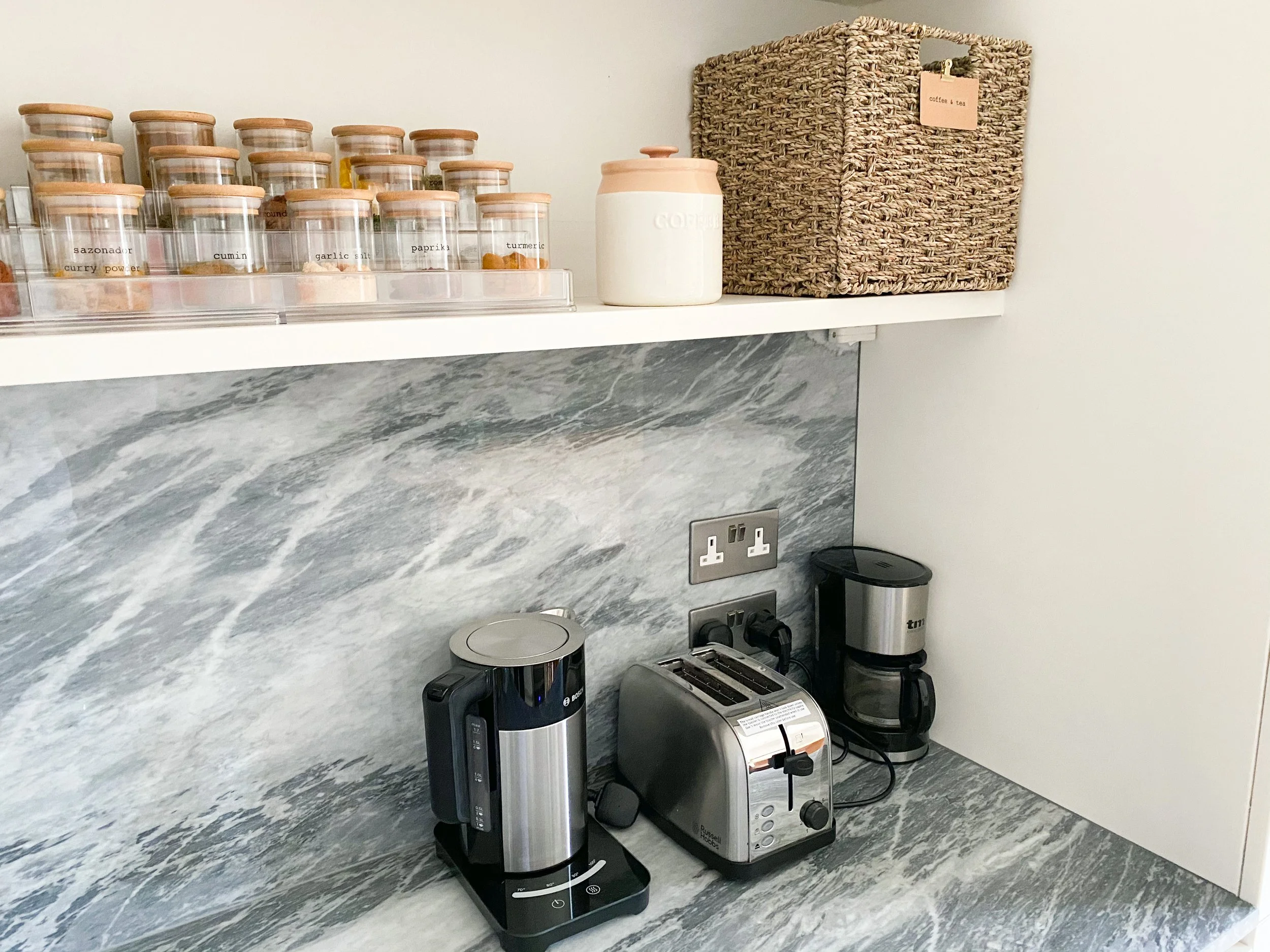
You don’t need more shelves - you just need your shelves to work harder.
Try these:
Use shelf risers (even DIY cardboard ones) to double up space without extra furniture
Turn shallow trays or old boxes into drawer-style pull-outs
Place small containers at the back to lift items so everything stays visible
A few quick adjustments can make your shelves feel instantly clearer.
3. Rethink the Backs of Doors
The back of any door is a goldmine of unused space.
This simple trick works for:
Belts, bags, and hats
Hair tools
Cleaning products
Jewellery
Dog leads
Reusable shopping bags
Foil, baking paper, or spices in the kitchen
Use over-the-door hooks you already own, or repurpose strong adhesive options. It’s functional, renter-friendly, and out of sight.
4. Turn Containers You Already Have Into Organisers
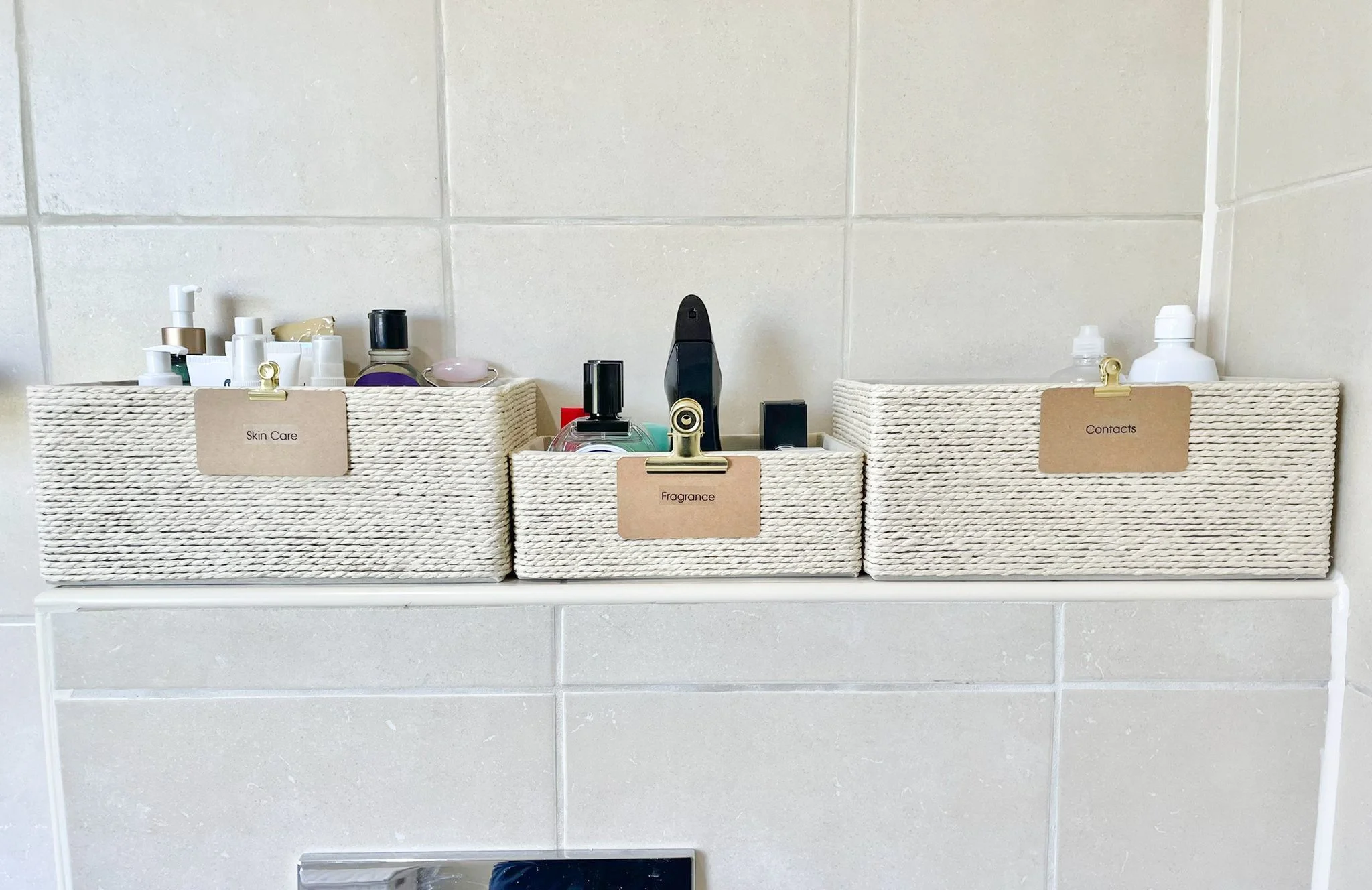
You probably own more storage than you realise.
Look around your home for:
Shoe boxes
Candle jars
Old gift boxes
Small bowls, trays, and tins
Cosmetic boxes
Empty coffee canisters
These make perfect organisers for drawers, cupboards, craft supplies, stationery, and bathroom products. With a little relabelling they become intentional, calm storage without costing a penny.
5. Use Under-bed Space Wisely
Under the bed might already store a few things, but it can often store more.
A few ways to maximise it:
Use zipped bags for linens
Repurpose old suitcases as hidden storage for seasonal items
Slide slim baskets on their sides to act as pull-out drawers
Store spare bedding inside pillows to compress and hide them
This is a simple way to make the most of small spaces without adding anything new.
If you would like help creating simple furniture-free storage systems at home, explore our home organisation services for personalised support.
6. Store Items Inside Other Items
This hack is a minimalist favourite.
Think:
Storing winter hats inside boots
Packing swimsuits or out-of-season accessories inside handbags
Keeping spare duvets inside large decorative cushions
Placing gift wrap rolls inside unused vases
Keeping extension leads inside baskets already used for blankets
It is a brilliant way to reduce clutter in small spaces while keeping everything contained.
7. Create Hidden Storage Zones on Existing Shelves
If open shelving feels visually messy, try this:
Place small boxes or trays at the back for low-use items
Store frequently used items at the front
Use magazine files or folders to hide paperwork
Group items by colour or type for a calmer look
You’re not adding furniture - you’re simply creating zones within what you already have, which instantly reduces visual noise.
8. Reclaim ‘Dead Corners’
Most homes have awkward corners that don’t seem usable - but they absolutely can be.
Try these hacks:
Place baskets in corner gaps between sofas and walls
Use floor-level corners of wardrobes to hide travel bags
Roll spare towels and tuck them into bathroom corners
Place tall bags (gift bags, canvas totes) in narrow hallway corners
Corners suit items you do not need daily but still want stored in a consistent place.
9. Use Your Suitcases as Storage
Your suitcases don’t need to sit empty for 50 weeks a year.
They are perfect for:
Out-of-season clothing
Spare toiletries
Gift wrap
Bulky bedding
Keepsakes or memory items
It is a tidy, practical way to use space you already have.
10. Create a Command Centre Without Buying a Thing
A command centre can be created by simply gathering key items into a defined spot. It doesn’t require new furniture - just intentional placement.
Choose a small section of your kitchen counter or hallway and gather:
A small tray for keys
A bowl or jar for spare change
A notepad and pen
A small basket for incoming post
A hook or spot for bags
This becomes a beautifully functional landing zone that stops clutter from spreading across your home.
Need help building small systems that make daily life easier? Our decluttering services can help you create calm, functional zones that actually last.
11. Use Soft Items as Dividers Inside Drawers
If your drawers feel like black holes, soft dividers can transform the space.
Use:
Rolled towels to separate categories in bathroom drawers
Folded T-shirts to create ‘walls’ in clothes drawers
Spare pillowcases as dividers for linen cupboards
This is non-furniture organisation at its simplest - smooth, flexible, and zero-cost.
12. Repurpose Small Furniture in New Ways
You don’t need more furniture - just new uses for pieces you already own.
Try:
Using a bedside table as an entryway catch-all
Turning a bar cart into a bathroom organiser
Using a console table for linen storage
Sometimes the best form of decluttering is reshuffling - not adding.
13. Hang More Than Clothes in Wardrobes
Wardrobes can do so much more than hold clothing.
Hang:
Bag organisers
Jewellery pouches
Phone chargers
Reusable bags
Ironing boards
Hair tools
All you need are hooks, clips that you already own, or unused hangers.
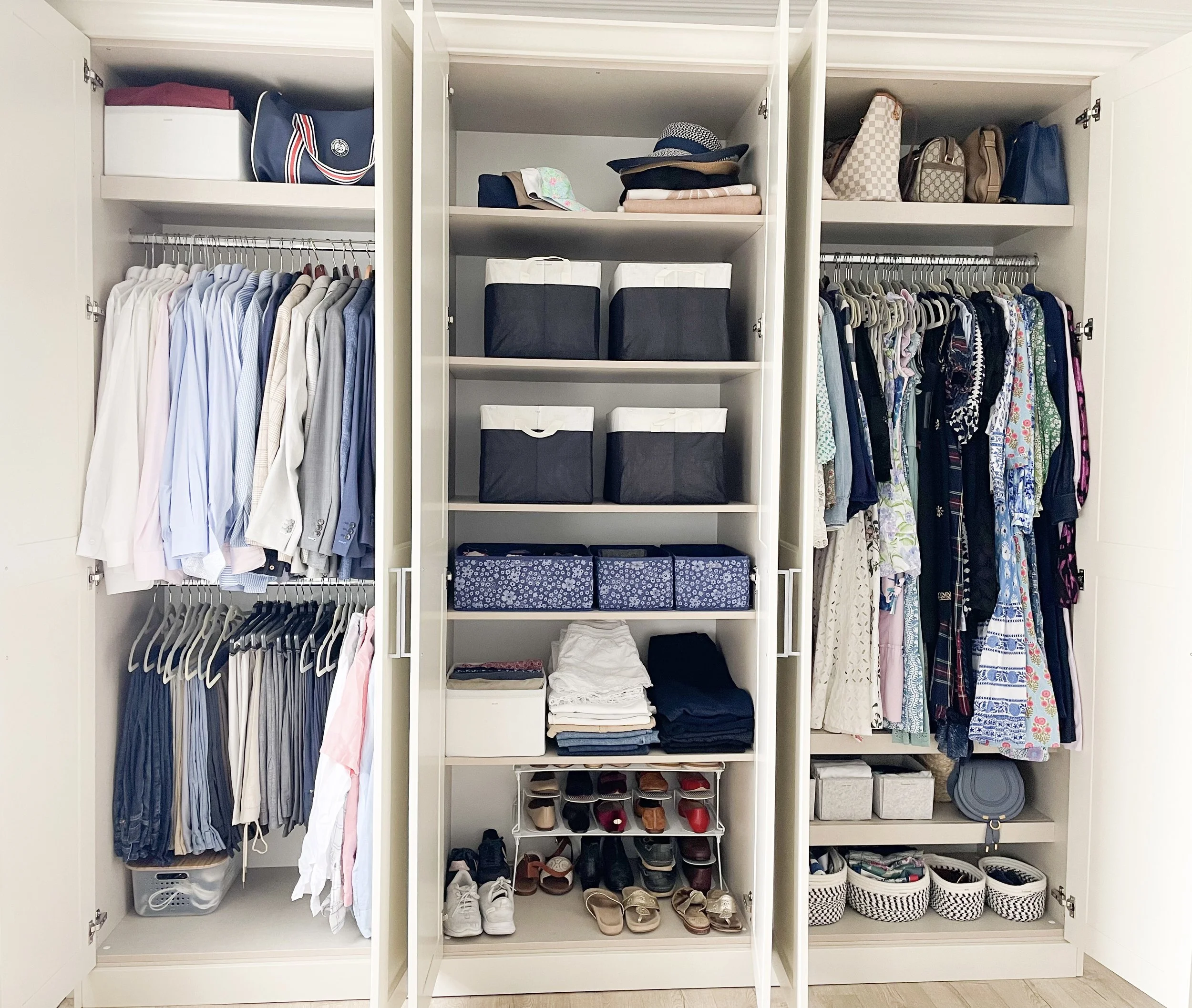
14. Store Items High If You Rarely Use Them
If you’re trying to reduce clutter in small spaces, reserve premium eye-level storage for everyday life.
Seasonal items can go:
On top of wardrobes
On high shelves
In upper kitchen cabinets
Inside deep cupboards
This keeps your daily environment calmer and clearer.
15. Use Trays to Create Zones on Counters
If you are not ready to clear your surfaces completely, grouping items on trays brings instant order.
A tray can hold:
Skincare
Coffee station items
Dish soaps
Remote controls
Craft supplies
It gives visual order without hiding things away - a minimalist’s dream.
Why These Hacks Work
All these ideas share three powerful principles:
1. You don’t need more furniture - just clearer systems.
Often, clutter forms because the existing space isn’t being used intentionally.
2. When storage is easy to access, it stays tidy.
Systems you naturally follow are the ones that last.
3. Using what you already own is both sustainable and empowering.
You can transform your space today - no shopping required.
Creating Calm Doesn’t Have to Cost a Thing
Whether you live in a small flat, a family home, or a rented space with limitations, creative storage hacks can make life feel lighter and more effortless.
If you’d love personalised support creating systems that simplify your home - from furniture-free storage solutions to whole-house organisation - our team would be delighted to help.
You deserve a home that feels calm, functional, and beautifully you - and it can start with what you already have!
Frequently Asked Questions
1. How do I figure out which items actually need to be stored?
Start by noticing what you reach for often and what tends to float around without a home. The items you use weekly or monthly are worth finding easy access for. Things you rarely touch can be stored higher up or grouped together so they take up less mental space.
2. What should I do if my home has very little built-in storage?
Focus on creating small, contained zones rather than looking for big storage solutions. Drawer dividers, baskets you already own and well-organised shelves can give you the same effect as built-in cupboards without needing more furniture.
3. How can I make my storage look intentional rather than improvised?
Consistency is what creates a styled look. Matching labels, repeated materials and similar colours help separate pieces feel cohesive. Even simple choices like using the same style of containers or grouping items neatly can make improvised storage feel deliberate.
4. What is the best way to store things in a home with limited floorspace?
Prioritise vertical space, the backs of doors and areas above eye level. These zones hold a surprising amount without affecting how you move through the room. Keeping the floor clear also helps small spaces feel larger and calmer.
5. How can I keep clutter under control when I am not adding more storage furniture?
Make a habit of giving everything a clear place and resetting small areas quickly. A 30 second tidy of a shelf or counter goes a long way. When the systems are simple enough to follow without thinking, clutter naturally stays low.

Jessica has been part of the Homefulness team since 2019, first as a professional organiser and now leading business development and social media. With a background in merchandising and retail management, she pairs a sharp eye for styling with practical, systems-led organisation, and has helped clients across London and the South East create calmer, clutter-free homes.
Meet the Homefulness team →Found this useful? Add Homefulness as a preferred source on Google.