
Micro-Zoning: The Secret to a Calm, Organised Home
Ever feel like your home is a little chaotic, even when everything has a place? That’s where micro-zone home organisation comes in. This clever approach isn’t about doing a full redesign or moving walls - it’s about creating functional areas so that every space feels intentional, organised, and easy to live in.
Micro-zoning means dividing rooms into small, purposeful zones based on how you live, creating smoother household flow and a calmer atmosphere.
Whether you’re tackling a small room, an open-plan living area, or a busy family hub, micro-zoning can make your home feel calmer, cleaner, and more purposeful - without adding stress. Here’s your friendly guide to getting started, with practical tips and examples to inspire your own home.
What Is Micro-Zoning?
At its heart, micro-zoning is simply creating little ‘zones’ within a space based on how it’s used. Think of your home as a collection of activity hubs rather than just rooms: a reading corner in the lounge, a homework station in the kitchen, or a drop zone for keys and bags by the door.
When each activity has its own zone, your home naturally feels calmer. Clutter is easier to manage, daily routines run smoother, and everyone knows where things belong.
The beauty of micro-zoning is that it works for every type of home. You can zone small rooms, shared family spaces, or even large open-plan layouts - making each space more functional without compromising style. This approach is part of modern home layout planning, giving every corner a clear purpose while keeping your design cohesive.
How Do I Zone a Small Room?
Small rooms can feel tricky, but zoning small rooms is surprisingly simple when you follow a few steps:
Identify the main activities: Ask yourself, “What do I actually do in this room?” For example, a bedroom might have a sleeping zone, a dressing area, and a mini workspace.
Divide visually: You don’t need walls. Rugs, furniture placement, lighting, or even a chair can subtly mark different zones.
Assign storage to each zone: Make sure each activity has its tools close by - books near the reading chair, clothes near the dresser, craft supplies near the table.
Keep movement in mind: Ensure zones don’t block natural traffic flow. Small changes, like angling a chair or repositioning a small table, can make the space feel open while maintaining function.
Small-space zoning works best when function leads design. Start with what you use most, then layer décor around it - not the other way round. Even in tiny spaces, these small shifts make a big difference. You’ll be amazed at how much calmer the room feels once everything has its ‘home’.
Can Zoning Help With Clutter?
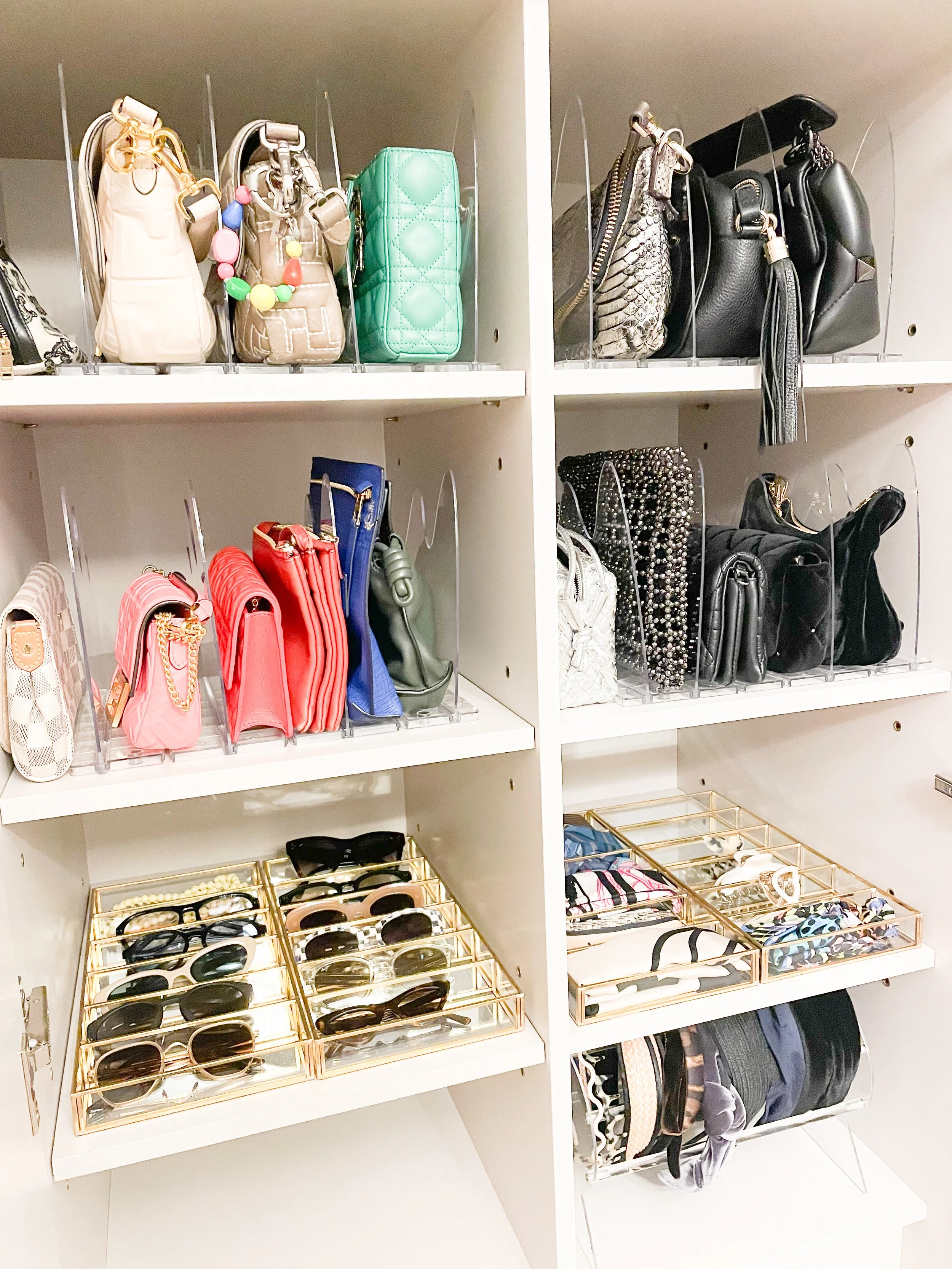
Absolutely! When your home has clear zones, clutter naturally starts to shrink. Why? Because micro-zoning encourages you to keep only what belongs in each space.
Instead of random piles of papers on the sofa or toys scattered across the floor, each item has a specific spot. Over time, this simple habit makes tidying much faster and far less stressful. Think of it as a built-in family organising idea - when everyone understands the zones, tidying becomes a shared routine.
Example: In a family kitchen, designate a ‘homework zone’ for school papers, a ‘snack zone’ for pantry items, and a ‘prep zone’ for cooking tools. Each item stays in its place, meaning less mess at the end of the day.
By making these zones intentional, you’re also teaching your family how to maintain order - everyone has a role in keeping spaces functional.
How to Create Zones in Open-Plan Homes
Open-plan living can be beautiful, but it can also be a magnet for clutter. Micro-zoning can help.
Living area: Create a relaxing lounge zone with seating, soft lighting, and a clear coffee table.
Dining zone: Keep the table free of clutter, with storage nearby for placemats and serving dishes.
Work or study corner: Even a small desk tucked into a corner can feel like its own zone when it has proper storage and lighting.
Tip: Use furniture, rugs, and lighting to define spaces without walls. A bookshelf or console table can subtly separate zones, while keeping the openness intact.
The key is to keep each zone purposeful. When you walk into your open-plan home, each area should instantly communicate its function, making daily life feel calmer and more organised.
Need help shaping calm, functional zones in your home? Our professional organisers can help you plan layouts that look beautiful and work effortlessly for everyday life.
Family-Friendly Micro-Zoning
If you’re managing a busy household, zoning small rooms and shared spaces is a game-changer. Here’s how it can work for different rooms:
Playroom: Use bins and shelves to separate toys by category - everything from blocks to dolls has a home. Label baskets or use colour-coded bins so kids know exactly where to put things.
Kitchen: Create zones for prep, cooking, and cleaning to streamline mealtime chaos. Allocate a baking drawer, a snack shelf, and a zone for frequently used utensils.
Entryway: A drop zone for coats, bags, and shoes keeps daily routines flowing and mess to a minimum. Hooks for jackets, a tray for keys, and baskets for shoes make mornings stress-free.
Family organising ideas like these make it easier for everyone to take part. Kids know where to put things, and adults spend less time tidying up, more time enjoying the space.
The Benefits of Organising by Zone
Micro-zoning isn’t just about looking tidy - it’s about creating a home that feels good to live in. Here’s what you can expect:
Less stress: A clear system for where everything belongs reduces daily friction.
Easier cleaning: When each zone has its own storage, tidying up becomes quick and satisfying
More intentional living: You’ll start to notice what you actually use and love, and naturally let go of what you don’t.
Greater calm: When spaces feel organised, your whole home feels lighter, calmer, and more welcoming.
Family harmony: Zones provide clarity for children, teens, and partners - everyone understands their space.
By thinking about each room as a collection of purposeful zones, your home becomes a place that not only looks beautiful but functions beautifully, too. Each micro-zone supports your lifestyle, helping your home feel both intentional and personal.
How to Start Your Micro-Zoning Journey
Ready to give it a go? Here’s a simple approach:
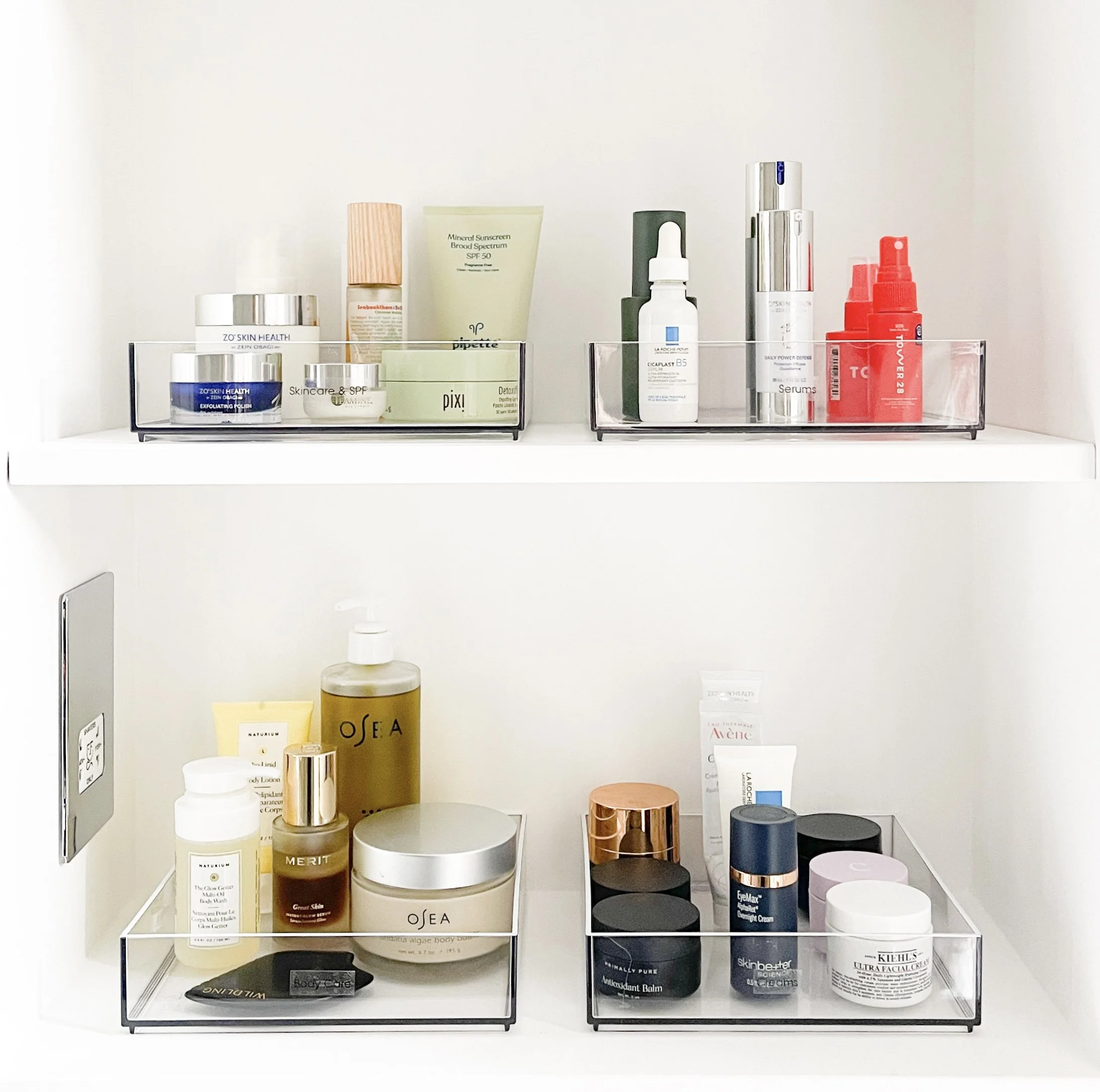
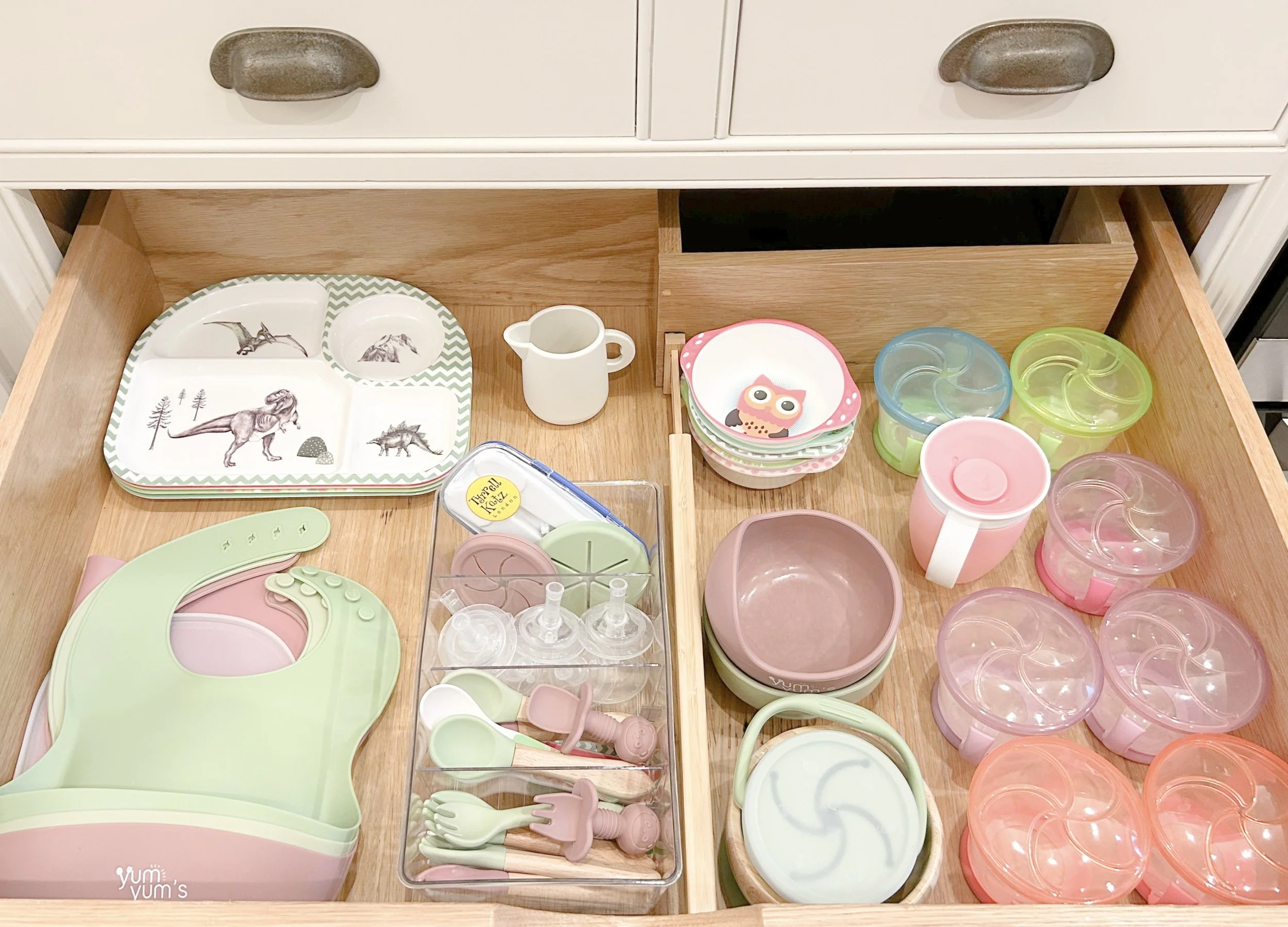
Pick one room today: Maybe a playroom, wardrobe, or kitchen.
Identify activities: Write down what happens in the space.
Create zones: Assign a small area to each activity and make sure it has storage and tools nearby.
Tidy as you go: As you arrange, put items back in their zones. You’ll feel an instant lift.
Even small steps can make a big difference. Over time, micro-zoning spreads naturally throughout your home, turning every room into a calmer, more organised, and functional space.
Want help creating a calm, functional layout that suits your lifestyle? Get in touch.
Tips for Keeping Zones Functional
Label bins or baskets: Simple labels help everyone know where things go.
Rotate or refresh seasonally: Adjust zones to suit how you actually use the space throughout the year.
Keep it flexible: Zones don’t have to be rigid - shift them as your life changes.
Combine style and function: Storage should be practical but also pleasing to look at. Think baskets, ottomans, and dual-purpose furniture that complement your interiors.
These functional home tips make it easier to maintain your zones and enjoy the benefits long-term!
Design-Friendly Storage Ideas to Support Micro-Zoning
To really make micro-zoning work, it helps to introduce storage that’s practical but also design-friendly. A few ideas:
Ottomans with hidden compartments: Perfect for blankets, toys, or seasonal items.
Stylish baskets and bins: Great for living rooms, playrooms, or open shelving.
Dual-purpose furniture: Benches with drawers, coffee tables with storage, or bedside tables with shelves.
Under-bed boxes: Discreet yet spacious for off-season clothing or extra linens.
Decorative jars and canisters: Functional and beautiful for kitchens, bathrooms, and pantries.
These items allow your storage to blend seamlessly with your home décor while keeping every zone functional.
Ready to Try Micro-Zoning?
Start with one room today - maybe a cluttered wardrobe, a playroom, or your kitchen. Identify its main activities, create your zones, and watch how quickly calm and order appear. Over time, you’ll see that micro-zoning makes your whole home feel more intentional, organised, and joyful.
For personalised guidance and expert support in family organising ideas, home layout planning, or creating stylish and functional zones, explore our professional home organisation services. With Homefulness, your home can feel calm, organised, and effortlessly functional - one zone at a time.
FAQs About Micro-Zoning
How do I know if micro-zoning is right for my home?
If certain areas always feel messy or overused, micro-zoning can help. It’s especially useful in small homes or open layouts where spaces need clearer purpose.
Can I use micro-zoning in rental homes?
Absolutely. You can zone rooms without permanent changes by using rugs, lighting, or movable furniture to define areas. It’s flexible and completely renter-friendly.
What mistakes should I avoid when micro-zoning?
Avoid creating too many zones or overfilling each area. Keep things simple and focus on how you actually use your space, not how you think you “should.”
How does micro-zoning support family organisation?
It gives everyone a clear sense of responsibility. Kids know where toys belong, adults know where work or leisure items go, and routines become smoother for everyone.
Can micro-zoning work with minimalist living?
Yes. In fact, micro-zoning complements minimalism by helping you curate fewer items with clearer purpose. Each zone becomes intentional, not just visually tidy.
How do I keep zones working long term?
Do small five-minute resets. Regularly review what’s in each zone, move seasonal items out, and refresh storage so the setup stays natural and easy to maintain.

Jessica has been part of the Homefulness team since 2019, first as a professional organiser and now leading business development and social media. With a background in merchandising and retail management, she pairs a sharp eye for styling with practical, systems-led organisation, and has helped clients across London and the South East create calmer, clutter-free homes.
Meet the Homefulness team →Found this useful? Add Homefulness as a preferred source on Google.