
Creating a Calm Home: How Thoughtful Organisation Can Transform the Way You Live
There is a particular kind of ease you feel in a home that has been thoughtfully organised. Not the pristine stillness of a space waiting to be photographed, but something warmer and much more inviting: a home that feels ready for life.
The keys have a natural place to land. The things you reach for each morning are exactly where you expect them to be. The kitchen works with the way you cook, the wardrobe with the way you dress, and the children's spaces with the way they play. There may still be shoes by the door, a book left open beside the bed or the remnants of breakfast on the kitchen table, but beneath the beautiful imperfection of everyday life there is a quiet sense of order.
It is an ease that can be difficult to define until you experience it: a kitchen where preparing supper doesn't begin with searching through cupboards; a dressing room where the clothes you love are visible and ready to wear; a hallway that carries a family through the morning rush; the simple knowledge that when friends come to stay, fresh linen can be found without opening three different cupboards first.
This is the kind of organisation we believe in at Homefulness. Not organisation for the sake of appearances, and certainly not the pursuit of a home that never looks lived in. Thoughtful organisation is about considering how a home can better support the people who live within it. It removes the little obstacles that interrupt our days: the searching, the overflowing cupboards, the things without a natural home, the systems that require more effort than they save.
When those small points of friction begin to disappear, something else takes their place: more time, more space and the quiet pleasure of living in a home that works beautifully around you. This is what we mean by the beauty of everyday order.
What does being organised at home really mean?
Being organised at home means creating thoughtful, intuitive systems for your belongings so that your surroundings support the way you actually live. It isn't measured by how immaculate your home appears, but by how naturally and easily it functions.
That distinction matters because organisation can so easily become confused with tidiness. A room can look beautifully tidy and still be frustrating to use. Everything may have been swept neatly into cupboards, yet opening one reveals shelves filled without any real sense of purpose. Conversely, a busy family kitchen at six o'clock in the evening may look very much lived in while still being wonderfully organised. The difference is what happens beneath the surface.
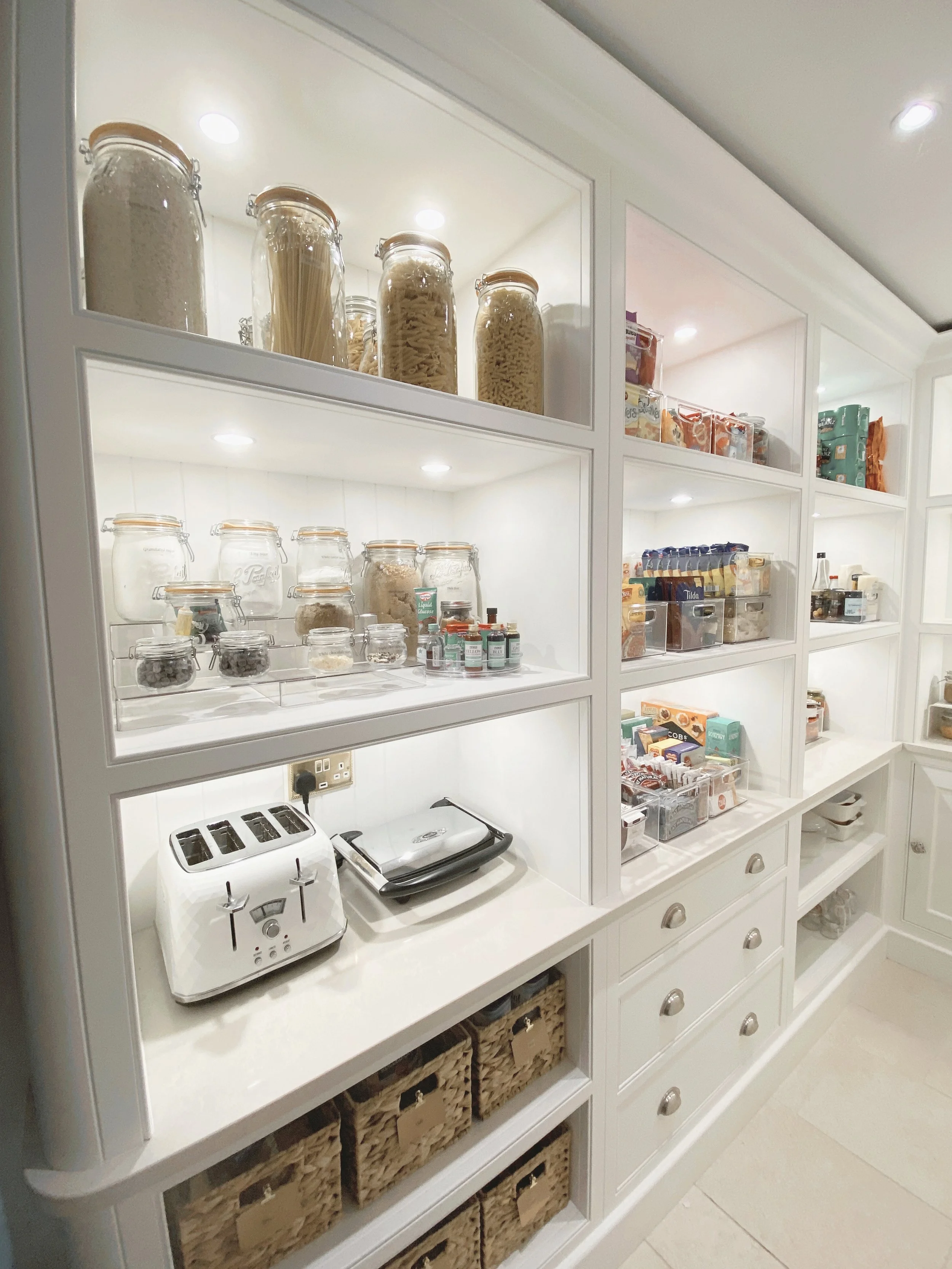
An organised pantry allows you to see what you have and find what you need. A wardrobe is arranged around the clothes you genuinely wear, making getting dressed in the morning a pleasure rather than another decision to make. Children's belongings have homes they can reach by themselves, while household essentials sit close to where they are actually used.
Even the spaces rarely seen by anyone outside the family; the utility room, linen cupboard, garage or loft, have a sense of purpose. Seasonal decorations can be found when December arrives, suitcases are easy to reach before a holiday, and spare bedding is beautifully contained and ready when guests come to stay.
It sounds simple, but simplicity is often the result of a great deal of thought. The most successful systems almost disappear into everyday life; you don't have to remember how they work or continually reorganise them, because they simply make sense. And perhaps that is the best definition of being organised: a home in which everyday life can happen with a little less effort.
What are the benefits of being organised at home?
The benefits of being organised at home are both practical and emotional. In a busy home, thoughtful organisation can:
save time by making everyday items easier to find;
make routines feel simpler and more dependable;
help you use the space you already have more effectively;
reduce the small frustrations of searching for things or deciding where they belong.
Together, these changes give daily life a dependable framework without expecting the home to remain immaculate. In turn, the home may feel calmer and more enjoyable to live in.
The real value, however, is often found in moments so ordinary that we barely notice them: finding the permission slip when it is needed, knowing exactly where the spare batteries are, preparing dinner without moving six things before reaching the pan you use every evening, opening the wardrobe and seeing what you actually own, or packing for a weekend away without searching three different cupboards for everything you need. None of these moments is particularly significant in isolation, but homes are lived in through thousands of these tiny interactions.
When each one requires another decision, another search or a little more effort, the home can slowly begin to feel like something else that needs managing. Thoughtful organisation removes many of those decisions before they arise, and the result is about far more than having a tidier house. There is a quiet luxury in living in a home that simply asks less of you.
This is one of the less obvious advantages of being organised. The visible result may be beautifully ordered shelves, clear surfaces and cupboards that are a pleasure to open, but the greater benefit is often the ease those spaces create in the background of everyday life.
How can an organised home give you more time?
An organised home can save time by making the things you use easy to find, access and return. Those minutes may seem insignificant individually, but across a household and an entire week, they can make everyday life feel noticeably more effortless.
The real luxury, however, is rarely measured in minutes. It is felt in the absence of all those tiny interruptions: the keys you no longer search for, the cupboard you no longer have to rearrange before putting something away, the morning that unfolds without quite so much rushing.
Consider the kitchen before the rest of the house has fully woken. Coffee is being made, breakfast is underway, someone needs a water bottle, another person is looking for something for school, and the day has already begun before you've had a moment to think.
Now imagine that the breakfast ingredients live together, lunchbox supplies have their own place, water bottles sit close to where they're filled and the things children need independently are somewhere they can reach. Nothing remarkable has happened, and yet the morning feels noticeably different.
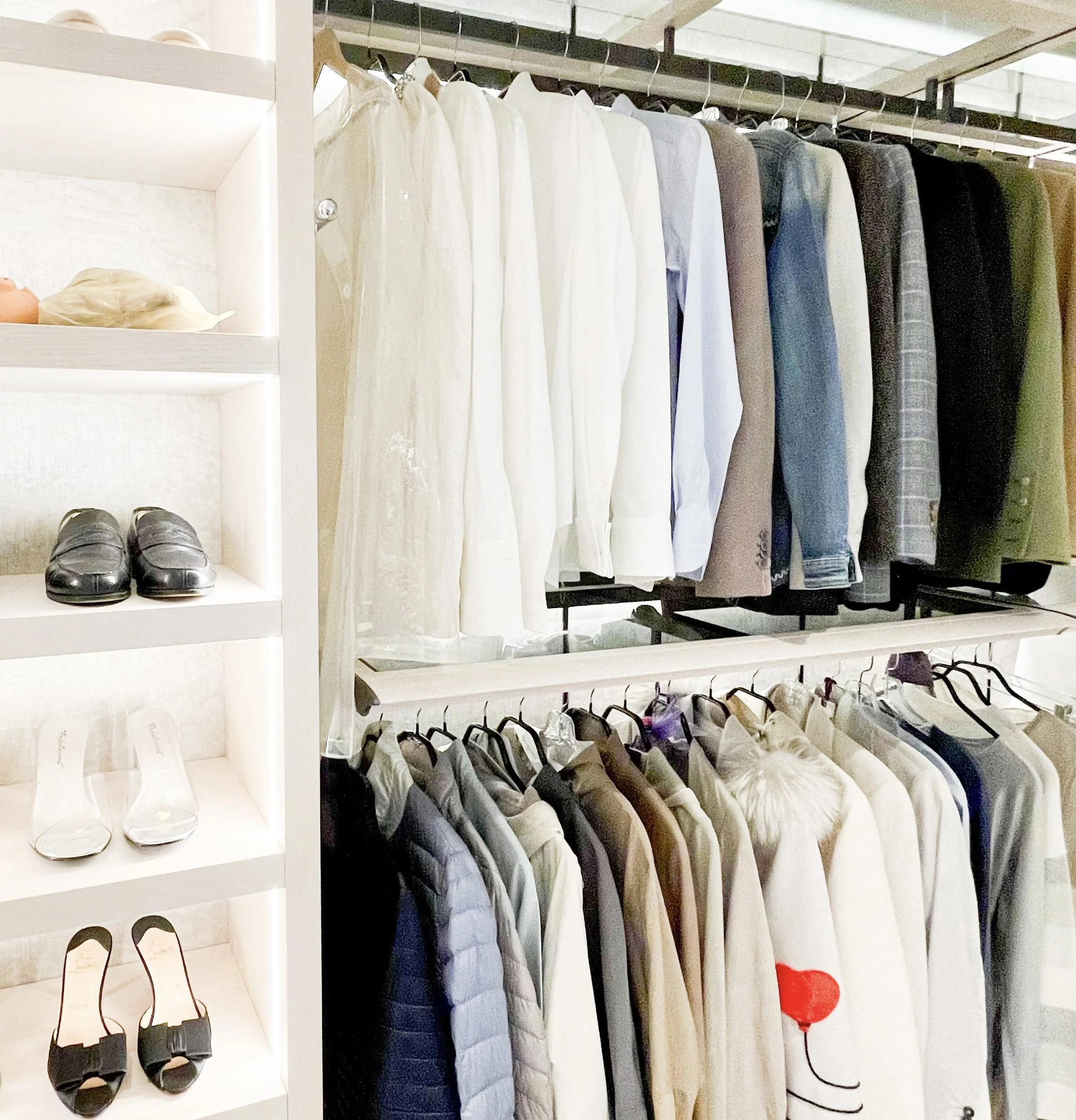
The same principle can quietly transform almost every room. A hallway designed around arrivals and departures means bags, shoes and keys have somewhere obvious to go. A dressing room organised around your real life removes some of the decisions from getting ready, while a utility room arranged around the natural flow of laundry makes one of the home's most repetitive tasks simpler to move through.
Good organisation isn't about making every minute productive. Quite the opposite: it is about removing unnecessary interruptions so that your time can be spent elsewhere - lingering over breakfast at the weekend, leaving the house without the frantic search for something you've misplaced, or simply enjoying an evening without feeling that another cupboard needs your attention. A beautifully organised home doesn't demand your time; it quietly gives some of it back.
Can an organised home help create a greater sense of calm?
An organised home may help create a greater sense of calm by reducing visual noise, unfinished decisions and the small frustrations associated with belongings that don't have an obvious place. It cannot remove the pressures of a busy life, but it can create an environment that feels easier to return to.
There is a reason a cluttered kitchen island can feel so different from a clear one. The pile of post isn't simply paper; it represents things to read, decisions to make and tasks not yet completed. The clothes waiting on a chair are a reminder of something still to be dealt with. The cupboard we avoid opening because everything might tumble forward has become another small problem postponed until later.
Our homes communicate with us constantly in this way, and thoughtful organisation can quieten some of that conversation. This does not mean stripping a home of everything that gives it character. Quite the opposite. Some of the most beautiful homes are layered with the evidence of the lives lived within them: books that have been read and reread, children's drawings, family photographs, fresh flowers on the kitchen table, objects brought home from travels and pieces inherited from people we love.
A calm home does not have to be an empty home. What changes is the intention behind what surrounds us. When the things we see are there because we have chosen them, rather than because we haven't worked out where else they should go, there is room to appreciate them properly.
Organisation cannot promise calm in every area of life, nor should it. But it can allow home to feel less demanding and, after a day spent answering questions, making decisions, meeting deadlines, managing diaries and looking after everyone else, there is something rather wonderful about opening your own front door and feeling that your surroundings aren't asking anything more of you.
How can organisation make everyday routines feel more natural?
Organisation can make everyday routines easier by storing belongings according to how and where they are actually used. Rather than forcing a household to follow a complicated system, the best organisation follows the household's existing rhythm.
This is where thoughtful organisation begins to feel almost invisible. The coffee cups live near the coffee machine because that is where you reach for them each morning. Children's snacks are somewhere they can access independently. Everyday skincare sits beautifully within reach, while products used occasionally have a quieter place elsewhere. The basket for things that need to go upstairs is positioned where those things naturally accumulate.
None of this is revolutionary, and that is precisely why it works. When clutter repeatedly returns to the same place, it can be useful information: coats left on a chair may mean the intended storage is inconvenient, while paperwork gathering on the kitchen counter may reveal that there is no obvious place to deal with it. Rather than asking how to become better at keeping a space tidy, it can be more revealing to ask how the space could work better for the way you already live.
How do you create a home that works with you?
A home that works with you begins with understanding your household rather than following generic rules about how an organised home should look. The most sustainable systems reflect your routines, priorities, belongings and the way each space is genuinely used.
Before considering what should go into a drawer or which container might fit a shelf, it is worth understanding the life happening around it. Ask:
Who uses this room?
What tends to accumulate here?
Which things are constantly being searched for?
What should children be able to reach independently?
Only then does storage become part of the conversation.
This is also why buying more storage is rarely the best place to begin. Beautiful baskets, drawer dividers and containers can be useful, and can certainly make a space lovely to use, but they cannot solve a system that hasn't first been thought through. The purpose should always come before the product.
Perhaps a cupboard needs to be divided differently, belongings need to move to another room entirely, or the family has simply outgrown a system that once worked perfectly. Homes change as the people living in them change: children grow, careers shift, hobbies arrive and routines evolve. A considered home evolves with you; it does not ask you to live according to its systems, because its systems are designed around the way you live. Where the layout itself is part of the difficulty, thoughtful space planning can help bring flow, function and storage into the same conversation.
Can organisation create more space for what matters?
Thoughtful organisation can create both physical and mental space by helping you decide what deserves a place in your home and making better use of the space you already have. More importantly, it can make your home more available for the people, activities and moments you value.
This is where organisation becomes about something much bigger than cupboards. A dining table cleared of the things that have gradually gathered there becomes somewhere to linger over Sunday lunch again. A playroom with intuitive storage gives children space to create and makes putting everything away achievable when play is finished. A spare bedroom that is no longer an overflow storage room is ready when friends decide to stay for the weekend. A kitchen where everything has a natural home makes opening a bottle of wine and preparing supper for friends feel pleasurable rather than preceded by an hour of clearing.
Sometimes creating this room involves decluttering and deciding that certain belongings no longer need to follow you into the next chapter of your life. At other times, nothing needs to leave at all; what you have simply needs to be arranged more thoughtfully.
The aim is not to own as little as possible, but to create enough space around what you own that you can see it, use it and enjoy it. A beautifully organised home shouldn't feel sparse or restricted; it should feel generous - generous with its space, generous with your time and ready for whatever you want life at home to hold.
Does being organised mean having a perfect home?
No. Being organised does not mean maintaining a perfect home. A well-organised home should accommodate real life and make it easier to return to order after the inevitable busy days, rather than expecting everything to remain untouched.
This may be one of the most important ideas to let go of when thinking about organisation. Your home is going to become untidy. Children will pull toys from baskets, clothes will gather while you're deciding what to wear, shopping will arrive on the kitchen island, friends will stay late and suitcases will return from holidays and sit half-unpacked for a day. There will be weeks when the usual rhythm of family life disappears completely.
That isn't a failure of organisation; it is evidence of a home being lived in. What thoughtful systems give you is an easy way back. When everything has an intuitive home, resetting a room becomes simpler. When children understand where their belongings belong, they can participate. When cupboards have breathing space, putting something away doesn't require rearranging everything else first.
The goal isn't to create a home that never changes, but one that can absorb the movement of everyday life without continually tipping into overwhelm. There is a softness to that kind of order: it allows a home to be beautiful without being precious, organised without being rigid, and considered without ever feeling staged.
Perhaps this is why sustainable organisation feels so different from simply tidying. Tidying deals with what we can see today; thoughtful organisation considers how we would like to live tomorrow.
When can professional home organisation help?
Professional home organisation can help when you know your home isn't working as beautifully as it could, but finding the time, perspective or starting point to change it feels difficult. It can be particularly valuable when several rooms need to work together, when family life has evolved or when you want the entire home considered as a whole.
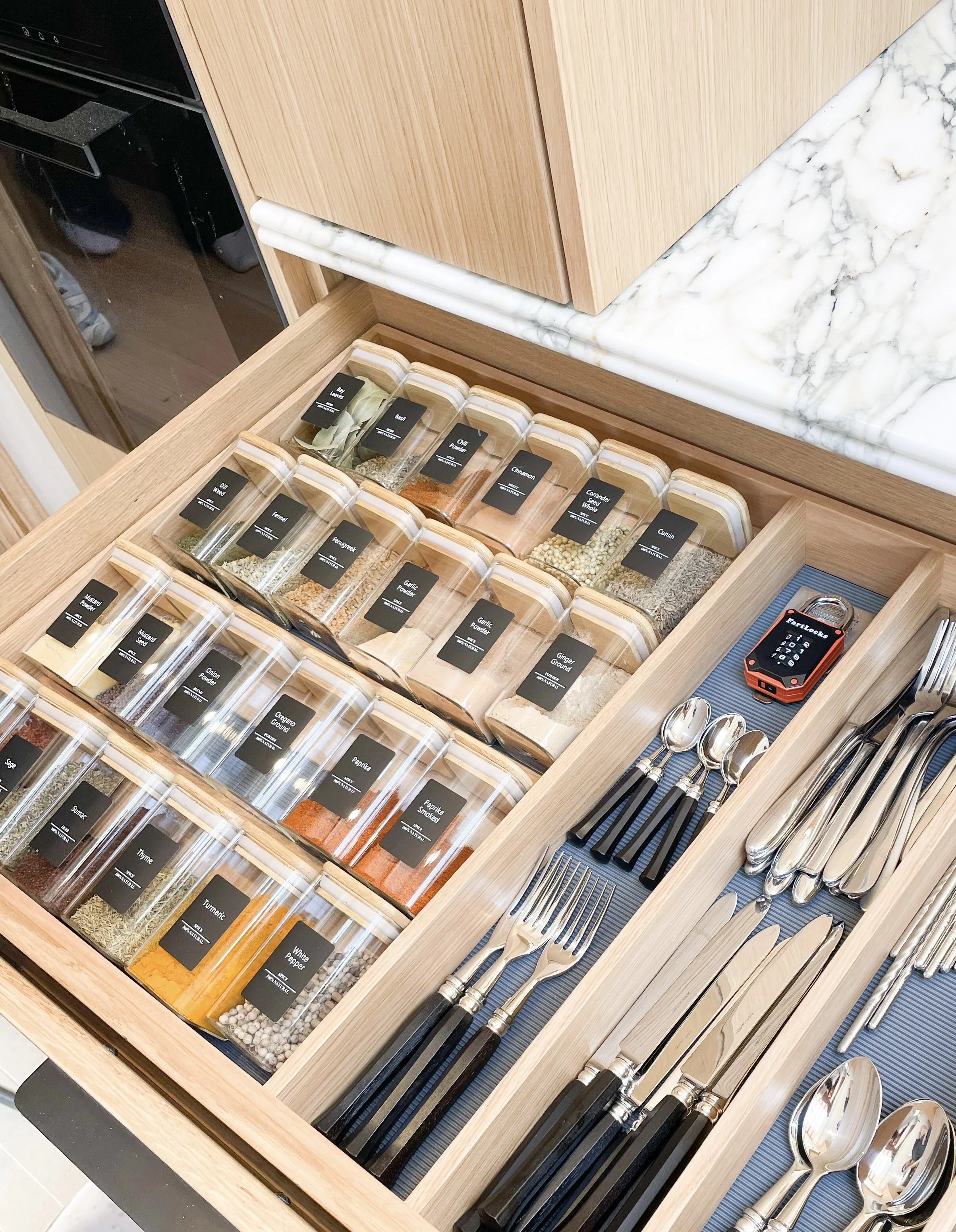
A kitchen can have beautifully designed cabinetry and generous storage, yet ingredients remain difficult to find. A dressing room can be exquisite, yet getting dressed still feels frustrating because the wardrobe has not been considered around the person using it. These are not problems solved by making everything look neat for an afternoon; they require perspective and an understanding of how the whole home fits together.
Our approach to bespoke home organisation considers what you own, how you live and how you want your home to feel. We edit where necessary, rethink how spaces are being used and create intuitive systems designed to continue working long after we leave.
There is an element of luxury in having those details taken care of for you, but the greater luxury comes afterwards: the morning that runs more smoothly, the weekend that does not disappear into reorganising cupboards, the ease of welcoming people into your home, and the feeling of returning at the end of a long day and simply being able to enjoy where you live.
The beautifully arranged shelves are only the visible part of the transformation. The real difference is how the home feels to live in.
The beauty of everyday order
Perhaps the greatest benefit of being organised is not the organisation itself, but what that organisation makes possible.
It is knowing where the picnic blanket is when an unexpectedly warm afternoon appears, finding the passports without a last-minute search before a holiday, preparing dinner while talking to the children rather than searching through an overcrowded cupboard, or opening the linen cupboard when friends decide to stay and knowing everything is ready. It is the ease of ordinary life unfolding in a home that has been considered around it.
At Homefulness, we call this the beauty of everyday order: not a perfect home, nor a home without possessions, personality or the inevitable signs of family life, but something much more meaningful. A home that feels considered but never contrived, beautiful but never untouchable, organised yet full of life.
A calm home will look different for every family, because the way we live is deeply personal. What matters is the feeling it gives you when you are there: the sense that your surroundings understand the rhythms of your life, that the practical details have been quietly taken care of, and that there is room for the people and things you love without everything else competing for your attention.
Ultimately, an organised home should not give you another standard to maintain. It should give you something back: more time to linger, more space to live, fewer things demanding your attention, and the quiet pleasure of coming home to somewhere that works beautifully for you.
If you would like your home to feel calmer, more functional and more considered, discover our bespoke home organisation services and how we can create thoughtful systems around the way you live.
Frequently Asked Questions
What are the main benefits of being organised at home?
Being organised at home can make everyday routines easier, reduce time spent searching for belongings, help you use your available space more effectively and remove some of the small frustrations associated with running a home. It can also help your surroundings feel calmer and easier to manage.
Can an organised home help reduce stress?
An organised home may help reduce some sources of everyday stress by making belongings easier to find, reducing visual clutter and simplifying recurring household tasks. Organisation isn't a treatment for anxiety or other mental-health conditions, but thoughtful systems can help reduce unnecessary friction in daily life.
How does home organisation save time?
Home organisation saves time by giving belongings logical, consistent places and storing frequently used items where they are needed. This can mean less searching, fewer unnecessary decisions and simpler everyday routines.
Does being organised mean keeping a perfect home?
Not at all. An organised home can - and should - look lived in. Sustainable organisation is about creating intuitive systems that make it easier to return a space to order, rather than expecting a home to remain perfectly tidy throughout the day.
Where should I start when organising my home?
Start with the part of your home that creates the most everyday friction. Consider what isn't working before buying storage, remove anything that no longer needs to be there and create simple, intuitive homes for the belongings you use. The aim is to solve a practical problem rather than organise everything at once.
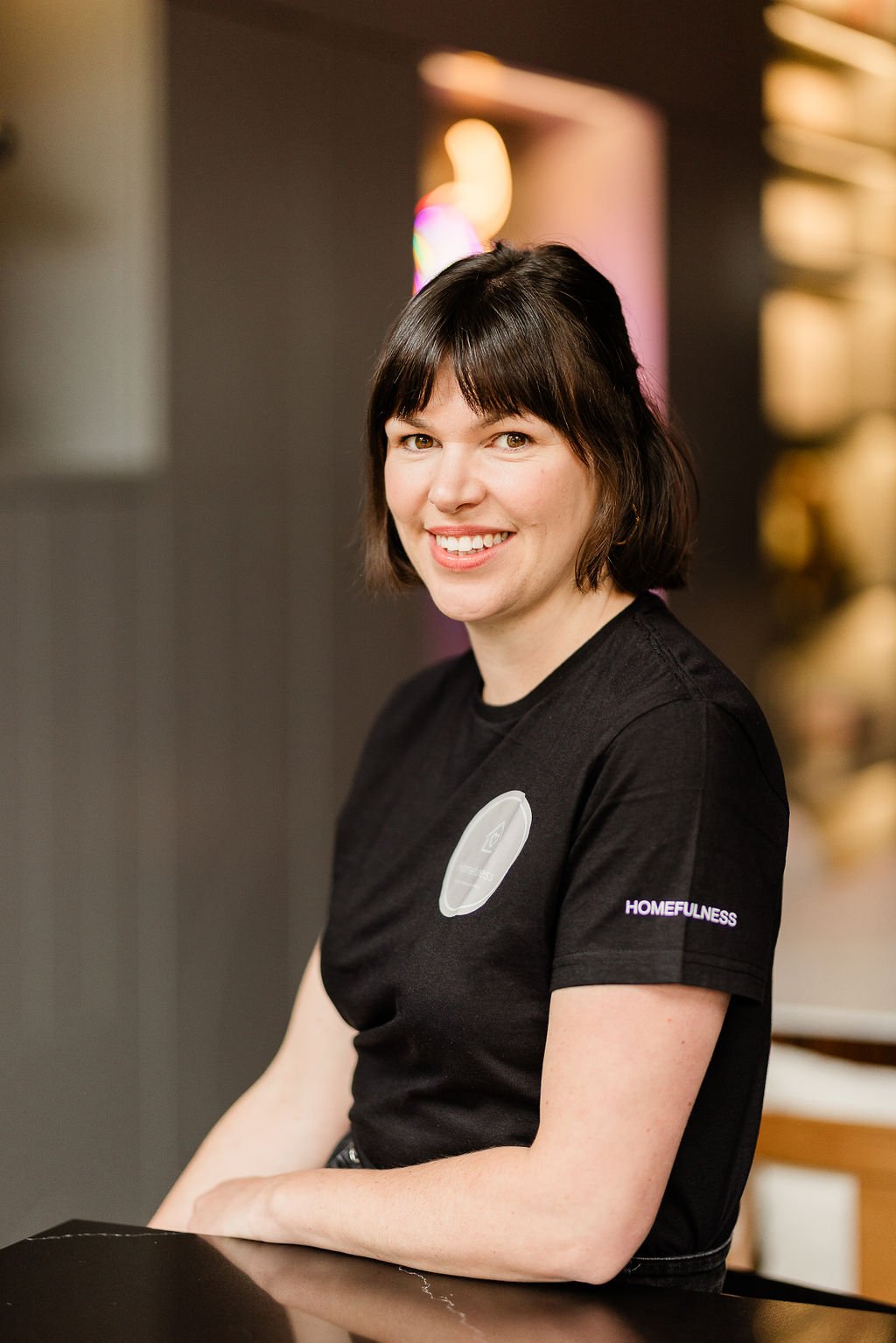
Jessica has been part of the Homefulness team since 2019, first as a professional organiser and now leading business development and social media. With a background in merchandising and retail management, she pairs a sharp eye for styling with practical, systems-led organisation, and has helped clients across London and the South East create calmer, clutter-free homes.
Meet the Homefulness team →Found this useful? Add Homefulness as a preferred source on Google.