
How to Create a Study Space at Home That Helps You Focus
Whether you are supporting a child through school, helping a teenager revise for exams, or trying to create a calmer place for learning, a well-designed study space at home can make a meaningful difference.
Concentration does not happen by chance. The environment around us influences how easily we focus, retain information and stay motivated. A cluttered table, constant distractions or an uncomfortable setup can quickly turn homework and studying into a frustrating experience.
The good news is that creating a focused learning environment does not require a dedicated home office or a large budget. With thoughtful planning and a few simple organising principles, you can create a study area that supports concentration, productivity and confidence.
In this guide, we will share practical study space organisation ideas for family homes, including homework station setup, small desk organisation, kids study area ideas and simple ways to create productivity zones at home.
How Do I Create a Study Space at Home?
The best study space at home is one that feels calm, functional and free from unnecessary distractions. Rather than focusing on a picture-perfect setup, think about how the space needs to support the person using it.
Before choosing furniture or storage, ask:
Is there enough surface space to work comfortably?
Is the area well-lit?
Are essential supplies easy to reach?
Can distractions be minimised?
Is the space easy to reset at the end of the day?
Does the setup suit the age and needs of the person using it?
The ideal study area does not need to be large. It simply needs to provide a clear signal that this is a place for focus, learning and calm routines.
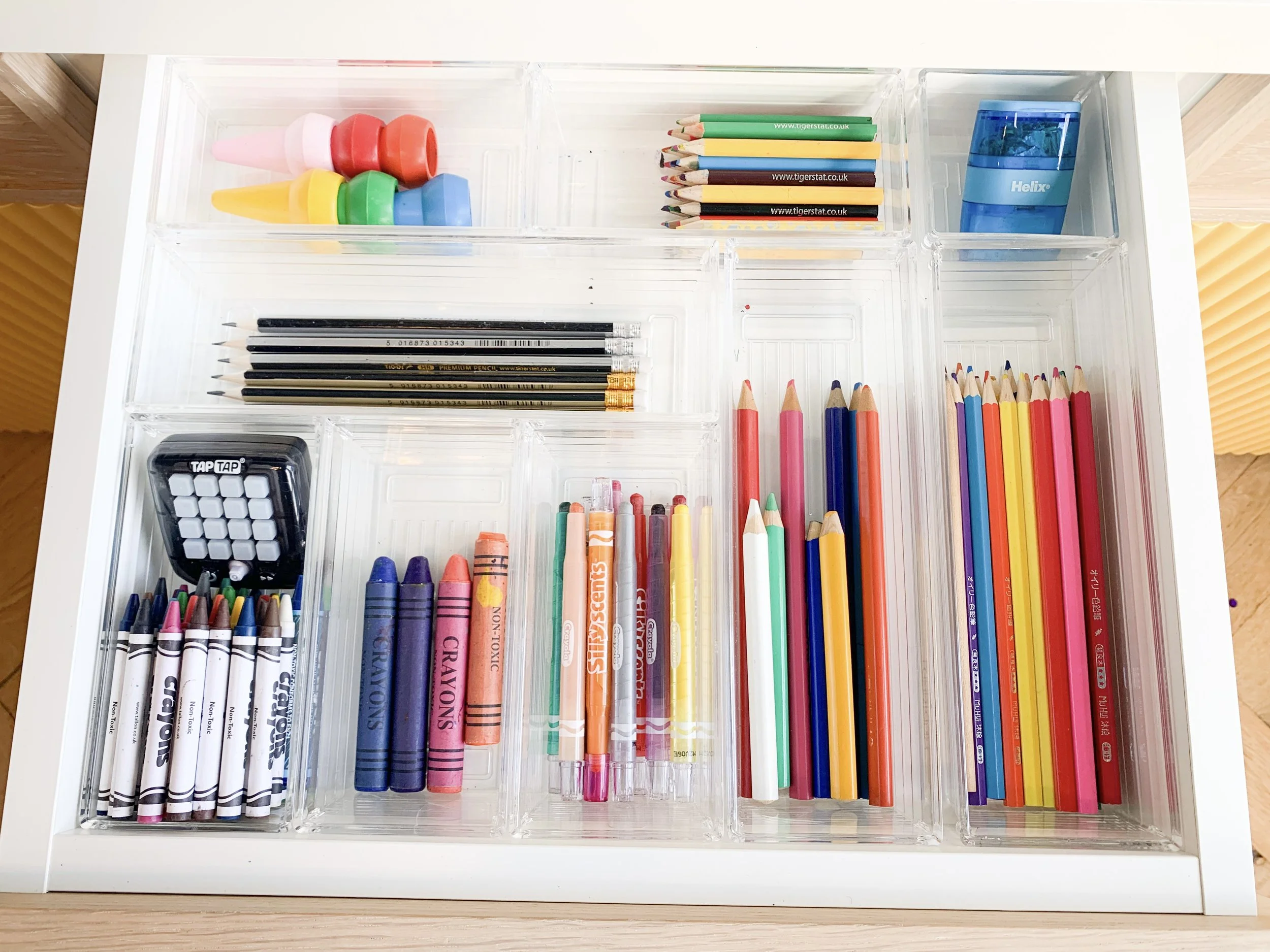
Choose the Right Location
Whenever possible, choose a quiet area away from the busiest parts of the home. The right location will depend on your layout, your child’s age and how much supervision they need.
Good options include:
a spare bedroom
a quiet corner of a living room
a section of a child’s bedroom
an unused alcove or landing space
a dedicated desk in a family room
The goal is to create some separation between leisure and learning. Even if space is limited, having a designated study area helps establish healthy routines and clearer expectations.
Before You Start: What Does the Study Space Need to Support?
A successful study space should be designed around real routines, not just the room itself. Think about what usually happens during homework or revision, and what tends to interrupt focus.
For example, a primary school child may need a simple desk, easy access to pencils and a parent nearby. A teenager may need a larger surface, good task lighting, charging points and somewhere quiet enough for longer periods of study.
This step helps you avoid creating a space that looks organised but does not work in daily life. The most effective systems are the ones that feel easy to use, easy to reset and simple to maintain.
Prioritise Good Lighting
Natural light can help improve mood, alertness and concentration. If possible, position the desk near a window, while making sure glare does not interfere with screens, books or writing.
You can also support the space with:
an adjustable desk lamp
warm white lighting
overhead lighting that reduces shadows
task lighting for reading, writing or screen work
A well-lit environment can help reduce eye strain and make longer study sessions feel more comfortable.
Invest in Comfort
Comfort is not a luxury. It is a key part of helping children and teenagers concentrate for longer.
A supportive chair and appropriately sized desk can make a big difference. Feet should rest comfortably on the floor, and the desk height should allow relaxed arm positioning while writing or typing.
If a full desk setup is not possible, focus on the basics: a stable surface, supportive seating and enough room to use books, paper and devices without feeling cramped.
What Makes a Good Homework Station?
A good homework station setup makes it as easy as possible to begin working without searching for supplies, clearing clutter or negotiating distractions.
Think of the station as a small command centre for learning. It should contain what is needed regularly, and very little else.
Keep Essential Supplies Close
Store frequently used items within easy reach, such as:
pens and pencils
highlighters
erasers
rulers
calculators
notebooks
charging cables
reading books or revision materials
Simple organisers, drawer dividers and desktop containers can prevent clutter from building up. The fewer barriers there are to starting homework, the easier it becomes to develop consistent habits.
Create Clear Boundaries
One common challenge is mixing homework materials with toys, entertainment or unrelated household items. Creating visual boundaries helps signal that the area has a specific purpose.
Consider using:
a dedicated desk
a study caddy
a rolling cart for supplies
shelf space reserved for school materials
a tray or folder for homework that needs to be completed
These small distinctions help children mentally transition into study mode, even if the study area sits within a shared room.
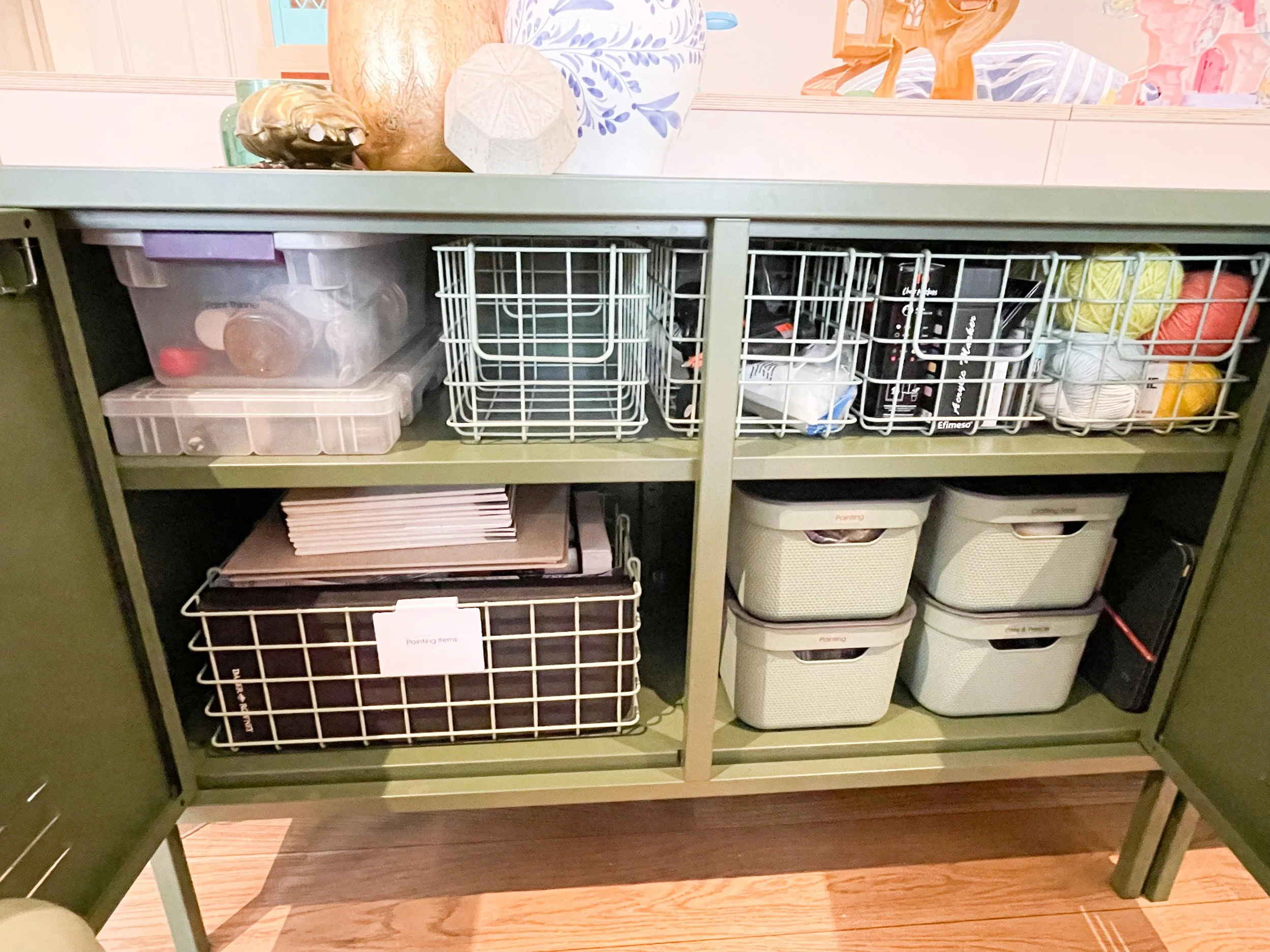
Reduce Visual Clutter
Visual clutter competes for attention. A good homework station does not need to be empty, but it should contain only what supports the task at hand.
Try removing:
excess decorations
unused stationery
random household items
toys and distractions
old paperwork or finished school projects
The result is a cleaner environment that encourages focus rather than pulling attention in several directions at once.
How Do I Organise a Small Study Area?
Limited space does not mean limited productivity. In fact, some of the most effective study areas are compact because they require thoughtful organisation.
If you are working with a small room, bedroom corner or shared family space, the key is to make every item earn its place.
Focus on Vertical Storage
When floor space is limited, look upward. Wall-mounted storage can increase capacity without crowding the desk or floor.
Good options include:
floating shelves
pegboards
wall organisers
bulletin boards
hanging file systems
small wall-mounted baskets
Vertical storage keeps supplies accessible while preserving valuable desk space. It also helps the area feel more intentional and less crowded.
Use Smart Small Desk Organisation
Effective small desk organisation is about making every centimetre count. The aim is to keep the surface clear enough for focused work, while making essential items easy to reach.
Try these strategies:
use drawer dividers to separate supplies
store paperwork in vertical file holders
keep only daily essentials on the desk surface
use stackable containers where appropriate
add a monitor stand with storage underneath
keep cables contained and clearly positioned
The less crowded the desk feels, the easier it is to concentrate.
Create Portable Study Kits
If a dedicated study area is not possible, a portable homework kit can create consistency without needing a permanent desk.
A simple basket or caddy can hold:
writing supplies
reading materials
chargers
notebooks
study tools
homework folders
This allows children to set up and pack away quickly, while still having a familiar system that supports routine.
Establish a Daily Reset
Small spaces become cluttered more quickly than larger ones. Encourage a short reset at the end of each study session:
return supplies to their designated homes
clear the desk surface
put papers away
charge devices
check what is needed for the next day
These small habits prevent clutter from accumulating and make the study space easier to use the next time.
Kids Study Area Ideas for Different Ages
Children’s needs change significantly as they grow. A study area that works for a seven-year-old may not suit a teenager preparing for exams.
Primary School Children
Younger children often benefit from simple, welcoming environments that feel calm without becoming distracting.
Consider:
clearly labelled storage
easy-to-reach supplies
visual schedules
comfortable seating
a limited number of materials displayed at one time
Keeping systems straightforward encourages independence and makes it easier for children to tidy up after themselves.
Tweens
Older children often need more structure as schoolwork becomes more complex. Helpful additions include:
weekly planners
subject-specific storage
pin boards for reminders
desk organisers
device charging stations
Supporting organisation skills at this age can help build confidence and stronger habits for later years.
Teenagers
Teen study areas should prioritise function, flexibility and ownership. Essentials often include:
larger desk surfaces
good task lighting
technology charging areas
reference storage
quiet study environments
space for revision notes and planning
Giving teenagers some ownership over their setup can increase engagement and responsibility, while still keeping the space practical.
How Can I Help Kids Focus at Home?
You can help kids focus at home by reducing distractions, creating consistent routines and giving them a calm, organised place to work. The environment does not need to be perfect, but it should make concentration easier.
Create Consistent Routines
Predictability helps children settle into study mode. Try establishing:
a regular homework time
a consistent location
a short pre-study routine
clear expectations
a simple end-of-session reset
Routine reduces decision fatigue and helps studying become a natural part of the day.
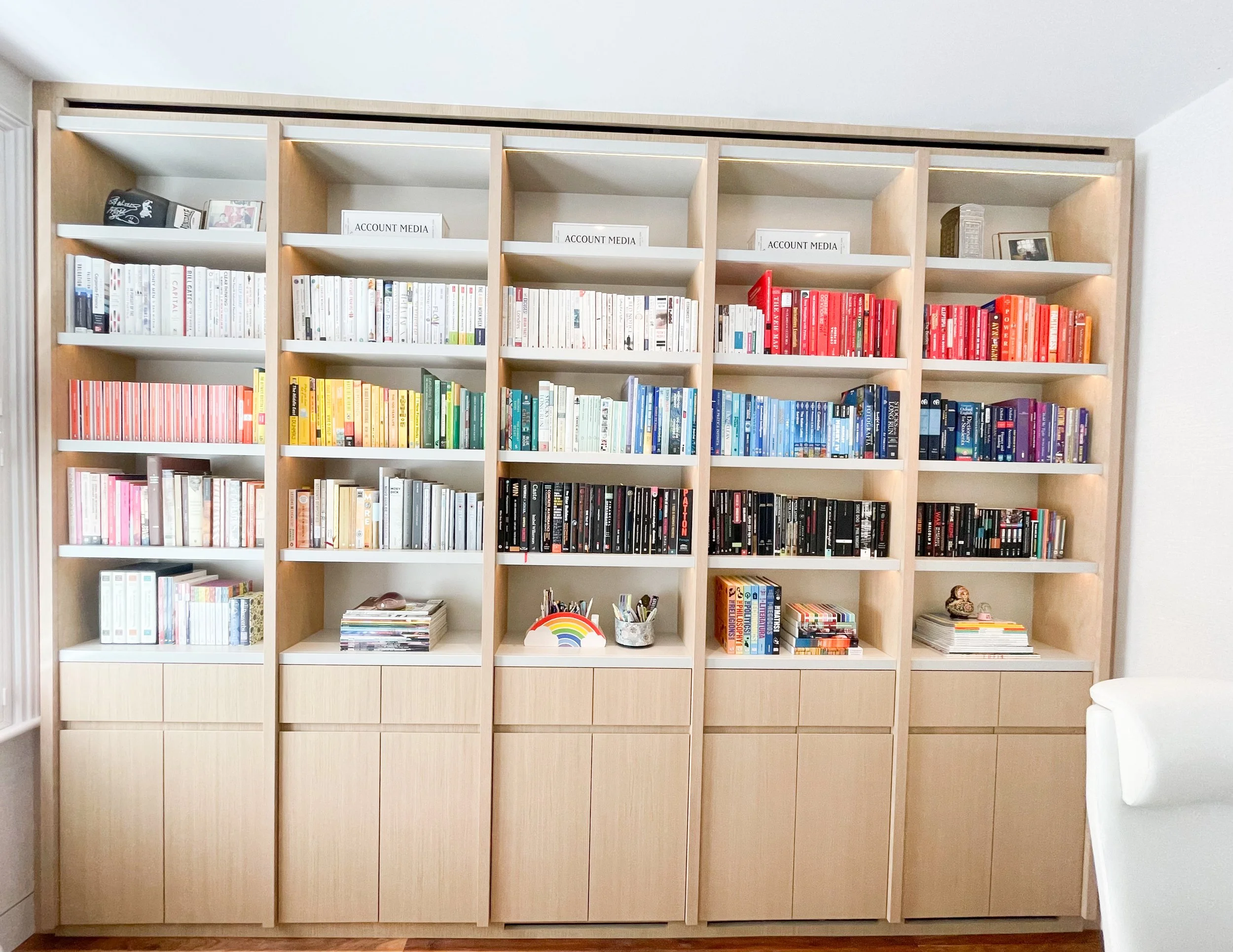
Minimise Distractions
Even adults struggle to focus when distractions are everywhere. Common distractions include:
television
mobile phones
gaming devices
household noise
cluttered surroundings
too many visible toys or unrelated items
Removing unnecessary distractions can improve concentration and make the space feel calmer.
Build Productivity Zones at Home
One effective strategy is creating distinct productivity zones at home. Rather than expecting one space to serve every purpose, define areas for:
studying
relaxing
playing
reading
creative activities
Clear boundaries help children mentally switch between tasks and activities. This is especially useful in homes where rooms need to serve several purposes throughout the day.
Encourage Movement Breaks
Focus improves when children have opportunities to move. Depending on age, encourage short breaks every 30 to 60 minutes for:
stretching
walking
getting fresh air
having water
quick physical activity
Movement helps reset attention and prevent mental fatigue.
Keep Expectations Realistic
Concentration is a skill that develops over time. Not every child can sit quietly for long periods, particularly younger children.
Instead of expecting perfection, focus on creating an environment that makes concentration easier and more achievable.
Why Organisation Matters More Than You Think
Many parents focus on educational tools, tutoring or study techniques while overlooking the impact of physical space. Yet organisation plays a powerful role in learning success.
An organised study area can:
reduce stress
improve concentration
support independence
save time
build positive routines
minimise distractions
make homework feel less overwhelming
When everything has a place and the environment feels manageable, children can devote more mental energy to learning rather than navigating clutter.
FAQs
Where is the best place to put a study space at home?
The best place for a study space is somewhere quiet, well-lit and easy to use consistently. This could be a bedroom corner, spare room, landing, family room or another low-distraction area.
How do I make a homework station in a small house?
Use compact storage, a portable caddy and a clear surface that can be reset easily. If there is no permanent desk, a basket of study supplies can help create a repeatable homework routine at the kitchen table or another shared space.
What should be kept on a child’s desk?
Keep only the items your child uses regularly, such as pens, pencils, notebooks, a lamp and any current homework materials. Too many supplies or decorations can make the desk feel cluttered and distracting.
How can I make a study area less distracting?
Remove unrelated items, reduce visual clutter and keep screens or toys out of reach unless they are needed for the task. Simple storage and clear boundaries can make the space feel calmer and easier to focus in.
When might professional organisation support help?
Professional support can be useful if study spaces are part of a wider challenge with storage, routines or room layout. It can help create systems that feel practical for the whole household, rather than focusing on one desk in isolation.
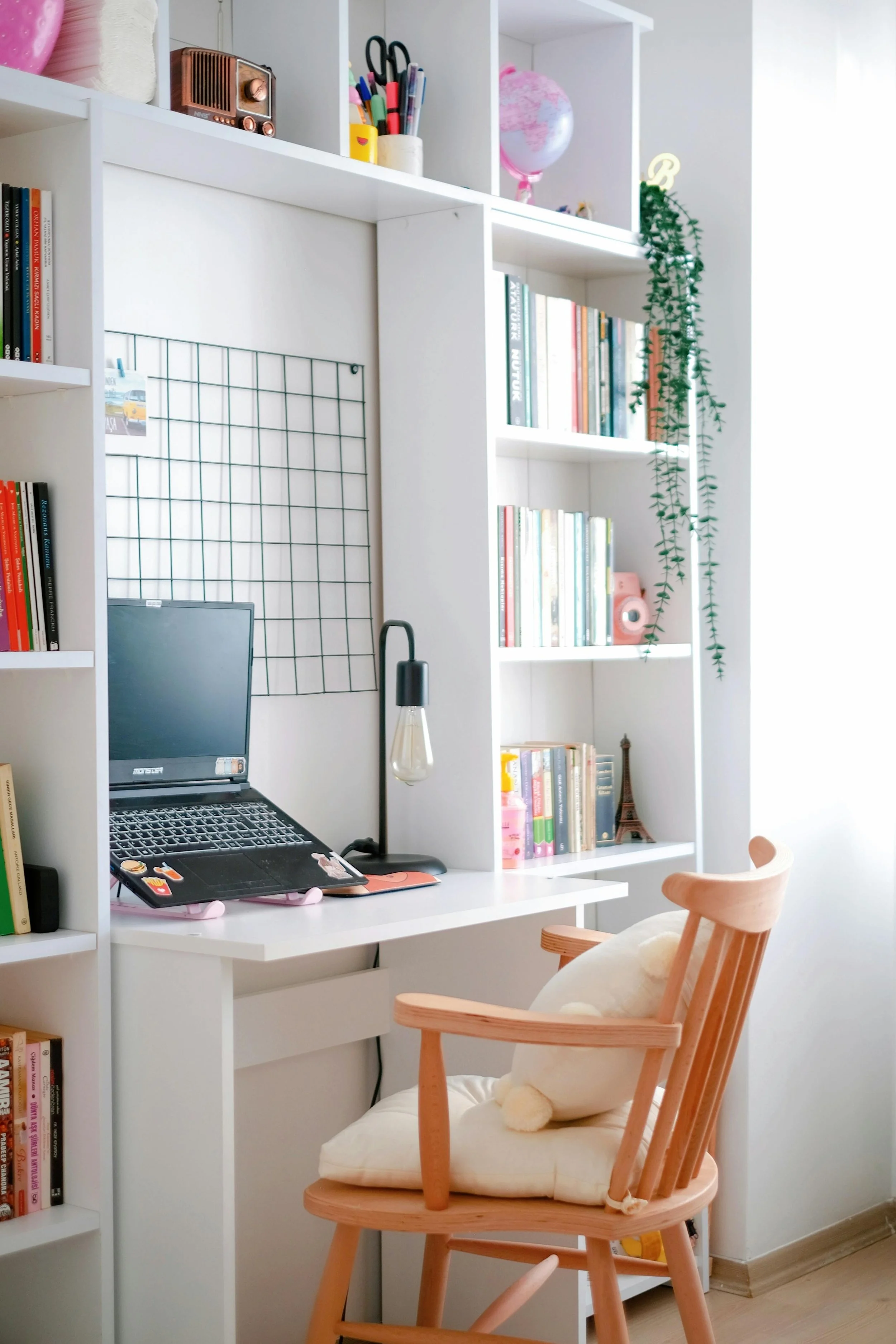
Final Thoughts
Creating a study space at home is not about having the biggest desk, the most expensive furniture or a perfectly styled room.
It is about designing an environment that supports focus, reduces distractions and helps learning feel more manageable.
Whether you are planning a full homework station setup, looking for kids study area ideas, improving small desk organisation or creating dedicated productivity zones, the goal remains the same: to build a space that works with your family’s daily life.
The most effective study spaces are often the simplest ones: clear, organised, comfortable and easy to maintain.
At Homefulness, we help clients create thoughtful, beautifully organised homes that support real routines, including the family spaces where learning, planning and everyday life overlap.
If you would like support creating calmer systems for your home and family routines, Homefulness can help you plan a practical approach that feels tailored to the way you live.
Because even the hardest-working rooms in the home deserve to feel intentional.

Jessica has been part of the Homefulness team since 2019, first as a professional organiser and now leading business development and social media. With a background in merchandising and retail management, she pairs a sharp eye for styling with practical, systems-led organisation, and has helped clients across London and the South East create calmer, clutter-free homes.
Meet the Homefulness team →Found this useful? Add Homefulness as a preferred source on Google.