
Why Your Home Still Feels Cluttered (Even After Tidying)
You’ve spent the morning cleaning. The kitchen worktops are clear, the floors have been vacuumed, the laundry has been folded, and everything has been put back into place.
For a brief moment, there is a sense of satisfaction. And yet, something still does not feel quite right.
Your home still feels busy. It still feels visually noisy. Instead of feeling like somewhere you can truly relax, it continues to ask something of you: another cupboard to sort, another drawer to tackle, another pile you have been meaning to deal with.
If you have ever wondered why your home feels cluttered even after tidying, you are not alone. It is one of the questions we often hear from clients before we begin working together.
The answer rarely has anything to do with how often you clean. Many of the homes we work in are already beautifully presented. The issue is usually the difference between a tidy home and a calm home.
Cleaning removes dust, dirt and fingerprints. Tidying returns things to where they belong. But neither necessarily changes how a home feels. A space can be spotless and still feel mentally heavy if it is holding too much, asking too much, or not supporting the way you live.
In this guide, we explore the hidden clutter causes that can make a clean home feel overwhelming, why clutter often returns, and how to create calmer systems that feel easier to maintain long-term.
Why Does My House Still Feel Cluttered After Cleaning?
One of the biggest misconceptions about clutter is that it is the opposite of cleanliness. In reality, the two are completely different.
A room can be clean but still feel cluttered if there is too much visual information. Worktops may be wiped down, but if they are covered with the kettle, coffee machine, toaster, fruit bowl, post, reusable bags and water bottles, your brain still has a lot to process.
None of those items may be dirty or even out of place. Together, however, they create visual noise.
Our brains are constantly processing what we can see. Every object on display asks for a small amount of attention, even if we are not consciously aware of it. Individually, those demands are minor. Collectively, they can make a room feel surprisingly overwhelming.
The same is true throughout the home. A bedroom can feel busy because yesterday’s outfit is resting neatly over a chair. A bathroom can feel cluttered because every product is lined up on the worktop. Open shelving can begin to feel heavy when every inch is filled.
This is often why people say, “My home is clean, but it still feels cluttered.” They are not responding to dirt. They are responding to constant visual input.
Creating a calmer home is not about stripping everything back or embracing minimalism. It is about giving your eyes somewhere to rest. Empty space has a purpose. It allows the things you truly love and use to stand out, rather than competing with everything else around them.
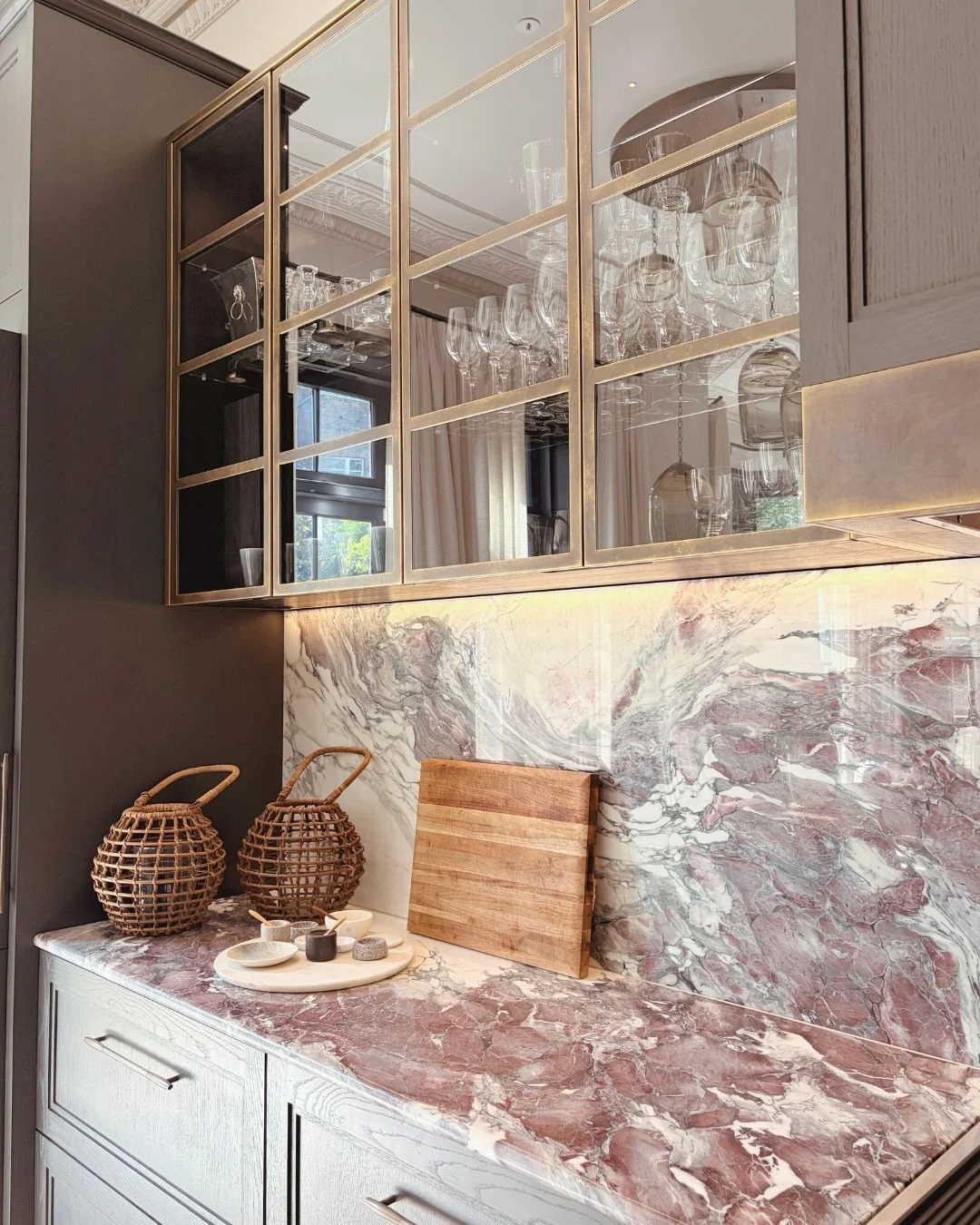
The Difference Between Tidying and Creating Calm
Tidying is useful, but it usually deals with what is visible. Creating calm goes a little deeper. It looks at whether the home is holding the right things, in the right places, in a way that supports daily life.
A tidy home can still feel overwhelming if:
surfaces are clear only for a short time
cupboards are too full to use easily
storage relies on memory rather than simple systems
items have a home, but that home is inconvenient
too many decisions are being postponed
the space looks organised but does not feel easy to live in
This is where organisation becomes more than presentation. The most successful systems quietly reduce friction. They make the next action obvious, so your home asks less of you throughout the day.
Why Can’t I Keep My Home Tidy?
If you have ever asked, “Why can’t I keep my home tidy?”, it is worth knowing that this is rarely a question of motivation.
Many people who struggle to maintain order at home are highly organised in other parts of life. They are balancing work, family schedules, school admin, holidays, social plans and the many invisible tasks that keep a household running.
By the time they think about the utility room, wardrobe or hallway, they have already made hundreds of decisions.
More often than not, the issue is not effort. It is that the home is asking too much.
Every home contains hundreds of tiny interactions each day. Where do shoes go when everyone walks through the front door? Where do keys land? Where do school bags live? Where does the post wait until it is dealt with? Where do you put clothes that have been worn once but are not ready for washing?
When those questions do not have obvious answers, your brain has to solve them repeatedly. You may not notice it happening, but those small decisions create a constant background hum of mental effort.
Thoughtful organisation removes that mental load. Instead of relying on willpower or memory, the system gives you the answer before you need to think about it.
This is why professional organising is not really about creating beautiful cupboards, although that can be a lovely outcome. It is about designing a home around the way you naturally live.
Quick Check: Is Your Home Creating Friction?
If clutter keeps returning, look for the small points of friction in your routines.
Are everyday items stored where you actually use them?
Do categories make sense to everyone in the household?
Can items be put away in one or two simple steps?
Are cupboards easy to access, or are they too full?
Do you have a clear place for temporary items, such as post, returns or school bags?
Are storage products helping the system, or simply hiding postponed decisions?
If the answer is no to several of these, your home may not need more tidying. It may need simpler systems.
What Causes Clutter to Build Up?
Clutter rarely appears all at once. It usually builds quietly, with the best intentions.
It might be the pile of paperwork you will sort when life is a little calmer. The shopping bag waiting to go to the charity shop. The children’s clothes you have been meaning to pass on. The gifts that have not quite found a permanent home.
None of these things feels significant on its own. Together, they begin to change the atmosphere of a home.
Life fills available space. When work is busy, children need lifting from one activity to the next and weekends disappear into family commitments, sorting a drawer rarely feels urgent. Small decisions are postponed because something else feels more important. Over time, those postponed decisions become full cupboards, overflowing shelves and surfaces that never quite stay clear.
There is also an emotional layer to clutter. Many of us are not simply holding onto objects. We are holding onto memories, aspirations and possibilities.
The dress we hope to wear again. The expensive kitchen appliance we feel guilty letting go of. The hobby supplies we will use when life becomes quieter. The box of keepsakes we know we will sort through one day, just not today.
These possessions carry more than physical weight. They can represent different versions of ourselves, moments in time, or hopes for the future. That is why decluttering can feel unexpectedly emotional.
This is also why simply buying more storage rarely solves the problem. Baskets, boxes and containers can help, but they cannot reduce the emotional weight of postponed decisions. They simply give those decisions somewhere else to live.
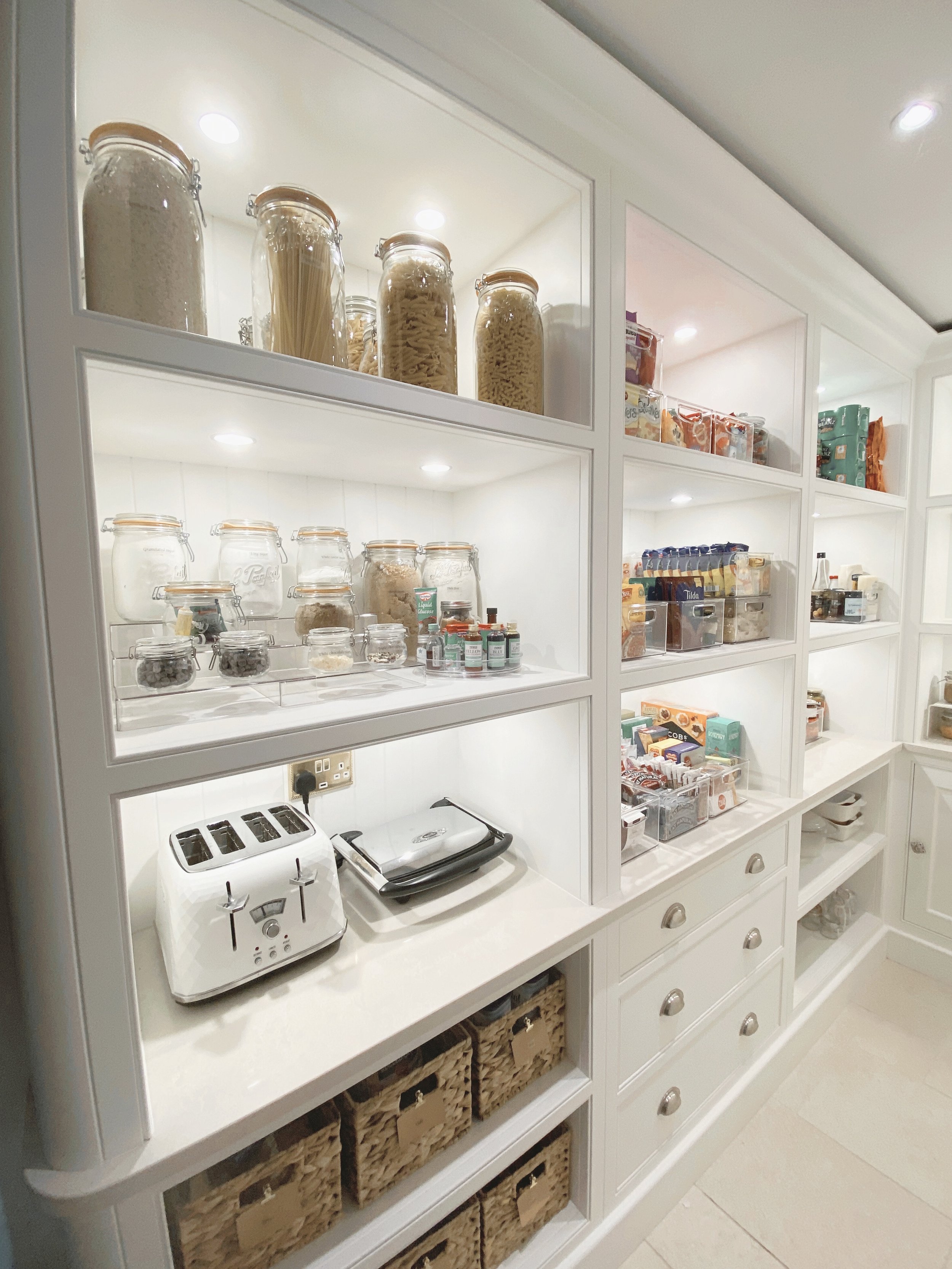
Hidden Clutter Causes to Look For
If your home still feels cluttered after tidying, these are often the quiet causes behind it:
Visual clutter: too many items on surfaces, open shelves or worktops
Full storage: cupboards that look tidy but are difficult to use
Inconvenient homes: items stored too far from where they are needed
Postponed decisions: bags, piles or boxes waiting to be sorted
Emotional clutter: items kept through guilt, memory or imagined future use
Systems that do not fit routines: storage that looks good but is too complicated to maintain
Once you can see the cause, it becomes easier to choose the right solution. Sometimes that solution is storage. Often, it is editing, simplifying or moving things closer to where they are used.
Is Clutter Linked to Habits or Mindset?
Clutter is closely connected to both habits and mindset. The two are intertwined, and recognising that can be freeing.
Habits shape what happens from one day to the next. They influence whether the post gets dealt with, whether the kitchen is reset before bed, and whether yesterday’s clothes make it back into the wardrobe.
But habits do not exist in isolation. They are influenced by how your home is set up, how much time you have and how much mental space you are carrying.
Mindset shapes the decisions behind those habits. It influences what you choose to keep, what feels difficult to let go of, and the stories attached to your belongings.
Perhaps you keep something because it was expensive, even though you no longer use it. Perhaps you hold onto clothes that no longer fit because they remind you of another stage of life. Perhaps every piece of children’s artwork feels too precious to part with.
None of these decisions are wrong. They are human.
The important thing is recognising when possessions are no longer supporting you. A home should reflect the life you are living now, not quietly hold you in the past or fill you with guilt about the future.
A useful decluttering mindset tip is to approach the process with curiosity rather than criticism. Instead of asking, “Why have I let it get like this?”, ask, “What is my home trying to tell me?”
That shift removes blame. It becomes less about fixing yourself and more about creating a home that genuinely supports the life you have now.
How to Stop Clutter Coming Back
One of the biggest misconceptions about decluttering is that it happens in a single weekend. In reality, creating a calmer home is a series of small, thoughtful decisions that continue long after the charity bags have left the house.
The good news is that maintaining an organised home should not feel like another full-time job. If it does, the system probably needs refining.
Start by making sure everything has a logical home. Not the place where you think it should live, but the place that makes sense based on how you naturally move through your home.
A hallway basket may work better than a cupboard upstairs. A drawer near the kitchen table may be more useful for school admin than a filing cabinet in another room. A small tray for keys, sunglasses and post may prevent several daily piles from forming.
It also helps to embrace small resets instead of waiting until things feel overwhelming. Ten minutes at the end of the day can have more impact than an entire Saturday spent catching up once the clutter has built again.
Finally, think carefully about what enters your home. Every new purchase, however small, needs somewhere to live. Before bringing something in, pause and ask whether it genuinely serves your life today and whether there is a clear place for it to belong.
This is not about striving for minimalism. It is about being intentional, so your home continues to feel spacious enough to support you.
A Simple Reset for a Home That Feels Cluttered
If you are not sure where to begin, start with one small area rather than the whole house.
Choose a small zone, such as one drawer, one surface or one cupboard.
Remove anything that does not belong there.
Group similar items together.
Notice what you genuinely use and what is simply being stored.
Choose a logical home for each category.
Leave a little empty space where possible.
Return to the space after a week and adjust what is not working.
This small reset is not about creating a perfect before-and-after moment. It is about learning how your home needs to work for you.
FAQs
Why does my home still feel cluttered after cleaning?
Your home may still feel cluttered after cleaning because the issue is not dirt, but visual noise, excess belongings or systems that are difficult to maintain. Cleaning makes a space hygienic, but it does not always reduce the amount your brain has to process.
Why does my house always look messy?
A house can look messy when everyday items do not have simple, logical homes. If putting things away takes too much effort, items naturally collect on surfaces, chairs, floors and entry points.
What are the most common hidden clutter causes?
Common hidden clutter causes include overfilled cupboards, inconvenient storage, too many items on display, postponed decisions, emotional attachment and systems that do not match daily routines.
How do I stop clutter coming back?
To stop clutter coming back, create simple homes for everyday items, reset small areas regularly and be more intentional about what enters your home. The easier a system is to use, the more likely it is to last.
Is clutter linked to habits or mindset?
Yes. Habits influence how items move through the home, while mindset affects what you keep and why. Lasting organisation often means addressing both the practical systems and the emotional decisions behind them.
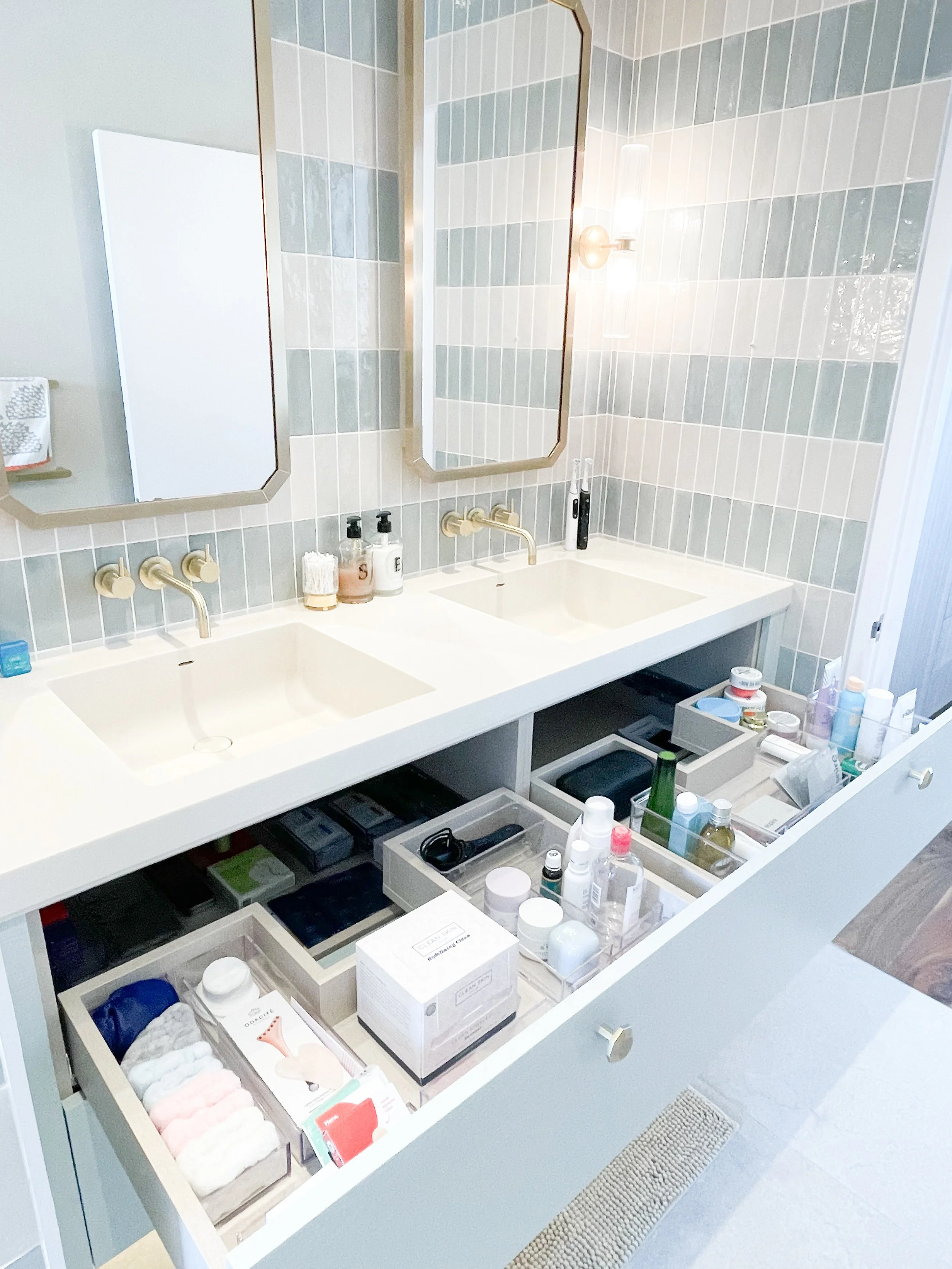
Final Thoughts
If your home still feels cluttered after tidying, it does not mean you have failed. More often than not, it means you have been trying to solve the wrong problem.
A home that feels overwhelming is not always asking for more cleaning, more storage or more hours spent organising. Often, it is asking for fewer possessions, simpler systems and spaces designed around the people who actually live there.
When your home supports your routines instead of creating friction, everyday life begins to feel noticeably easier. Mornings feel calmer. You spend less time searching for things. Everyone knows where belongings go, and the house no longer feels like another item on an already full to-do list.
At Homefulness, we help clients create calm, thoughtful home systems that feel beautiful, practical and easy to maintain.
If you would like support understanding why your home still feels cluttered and creating systems that work with the way you live, Homefulness can help you plan a calmer, more considered next step.
Because ultimately, the goal is not to create a picture-perfect home. It is to create a home that asks less of you.

Jessica has been part of the Homefulness team since 2019, first as a professional organiser and now leading business development and social media. With a background in merchandising and retail management, she pairs a sharp eye for styling with practical, systems-led organisation, and has helped clients across London and the South East create calmer, clutter-free homes.
Meet the Homefulness team →Found this useful? Add Homefulness as a preferred source on Google.