
Smart Lighting Ideas to Make Small Spaces Feel Bigger
When we think about creating a home that feels calm, spacious and beautifully organised, storage is often the first thing that comes to mind. Yet one of the most transformative design tools is something many homeowners overlook entirely: lighting.
The way a room is lit can change how it feels. Even the smallest spaces can appear brighter, more open and easier to navigate with a thoughtful lighting scheme. Better still, well-planned lighting does not just improve the look of a room. It can also make everyday life simpler, helping you find what you need, define different areas of your home and create an environment that feels naturally organised.
Whether you are working with a compact kitchen, a narrow hallway, a cosy bedroom or a small home office, these home lighting tips will help you make every square metre work harder.
In this guide, we explore the best lighting for small spaces, how to use layered lighting at home, where to place lights in each room, and how lighting and organisation can work together to make your home feel calmer, brighter and more functional.
Why Lighting Matters in Small Spaces
A beautifully organised room is not only about what is stored away. It is also about how the space feels when you walk into it.
Dark corners, uneven lighting and harsh overhead bulbs can make even the most organised room feel cluttered and confined. By contrast, carefully considered lighting softens shadows, highlights key features and creates a sense of depth that naturally makes a room feel larger.
The most successful interiors combine thoughtful organisation with intentional lighting, allowing each element to complement the other.
Rather than relying on a single ceiling light, it is worth thinking about how different layers of light can transform the way a room functions throughout the day.
What Lighting Is Best for Small Spaces?
The best lighting for small rooms is rarely one light source. Instead, it combines several types of lighting that work together to create balance, warmth and flexibility.
Interior designers often refer to this as layered lighting, and it is one of the simplest ways to make a compact room feel more spacious.
A well-designed layered lighting home usually includes three elements:
Ambient Lighting
Ambient lighting is the main source of light in a room. It is often provided by ceiling pendants, recessed spotlights or flush ceiling fixtures.
The aim is to illuminate the room evenly without creating harsh shadows or leaving corners feeling dark.
Task Lighting
Task lighting focuses light exactly where it is needed.
Popular task lighting ideas include:
under-cabinet kitchen lighting
reading lamps beside the bed
desk lamps in a home office
lighting inside wardrobes
vanity lighting around mirrors
focused lighting above utility room worktops
Task lighting makes everyday activities easier while reducing visual strain.
Accent Lighting
Accent lighting adds warmth, depth and atmosphere.
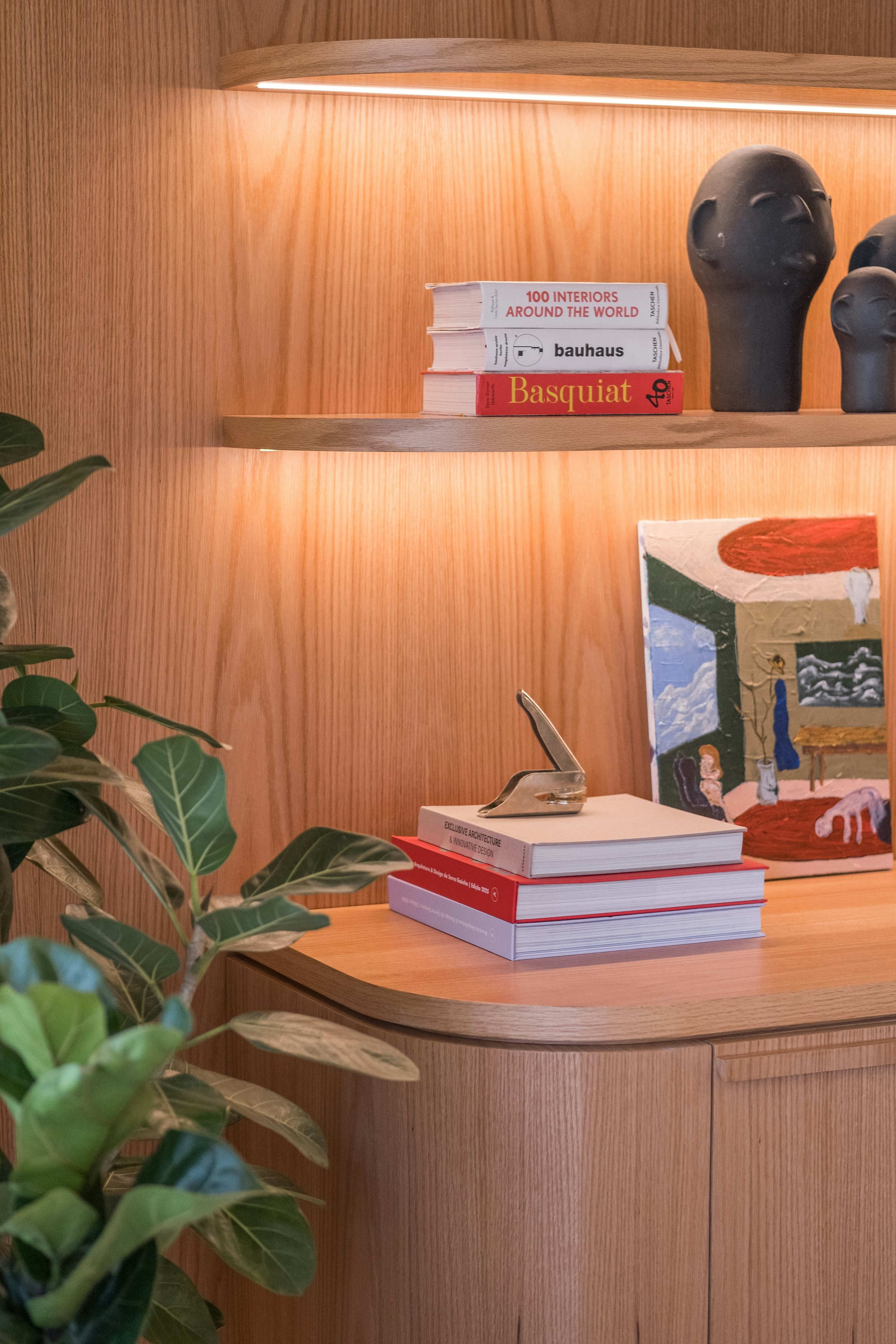
Wall lights, picture lights, shelf lighting and table lamps all help draw the eye around a room, creating the impression of more depth and space.
When these three layers work together, even a small room can feel more balanced, open and inviting.
How Do I Layer Lighting at Home?
The easiest way to think about layered lighting is to imagine how you use each room throughout the day.
Instead of asking, “Where should the ceiling light go?”, ask:
Where do I prepare food?
Where do I read?
Where do I work?
Which areas feel dark?
Which cupboards or shelves are difficult to see into?
Which features would I like to highlight?
Where do I need softer lighting in the evening?
Each activity deserves its own source of light.
For example, a small kitchen might include:
ceiling downlights for general illumination
LED strips beneath wall cabinets
soft lighting inside glazed cupboards
a pendant over the dining table
a small lamp on a shelf or worktop for evening warmth
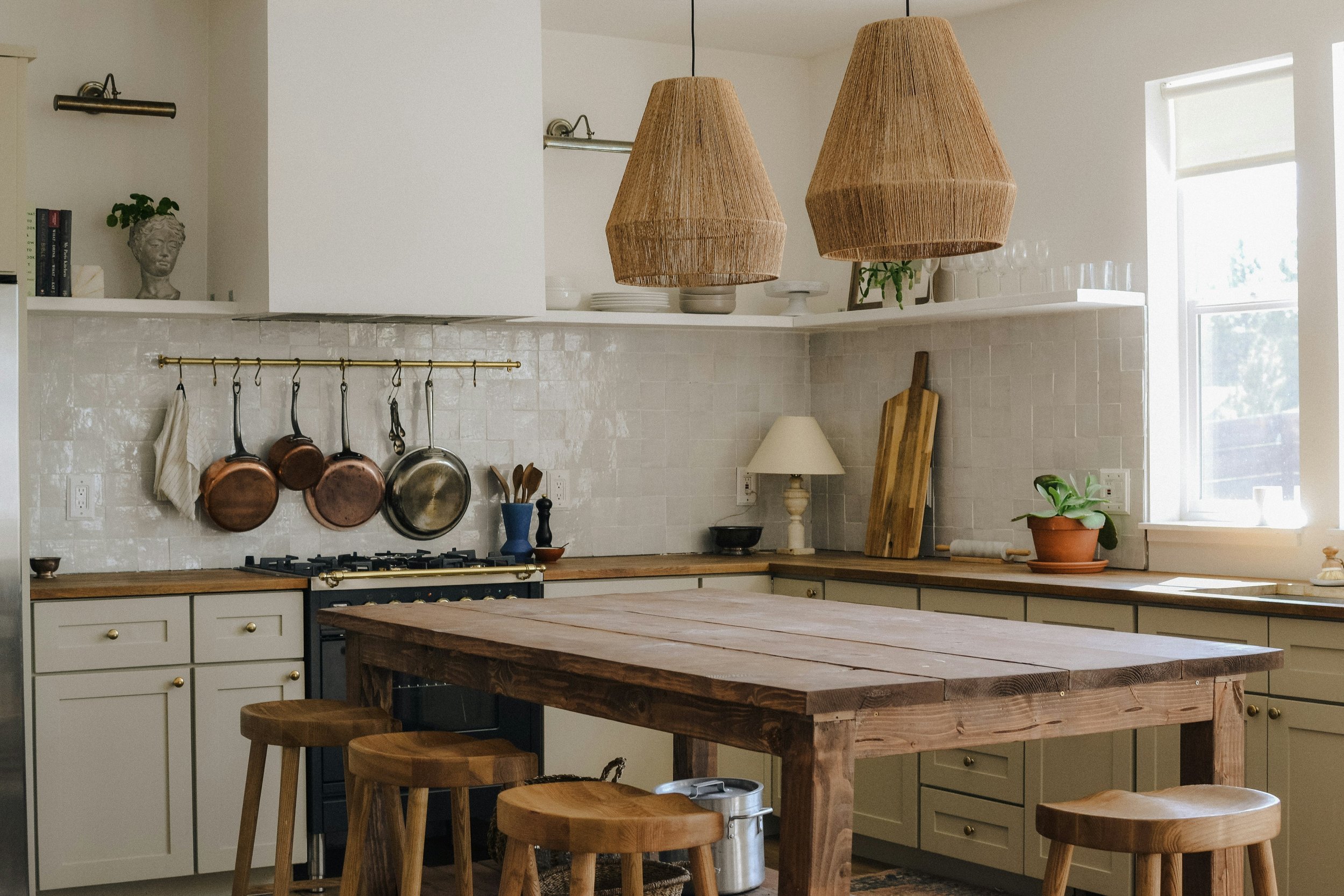
Together, these layers create a kitchen that feels brighter, larger and more welcoming than a room relying on a single central fitting.
The same principle applies throughout the home. A bedside lamp does not simply provide light for reading. It also creates a softer atmosphere than an overhead light before bed. Shelf lighting in a living room draws attention to carefully styled books and accessories, making the room feel considered rather than crowded.
Quick Check: Is Your Lighting Making the Room Feel Smaller?
If a room feels compact, flat or difficult to use, lighting may be part of the reason.
Ask yourself:
Is the room relying on one central ceiling light?
Are any corners noticeably dark?
Are work surfaces properly lit?
Can you see clearly inside cupboards, wardrobes or storage areas?
Does the lighting feel too harsh in the evening?
Are lamps or wall lights placed at different heights?
Does the lighting support how the room is actually used?
If the answer is no to several of these, the room may not need more furniture or storage. It may simply need better light.
Can Lighting Improve Organisation?
Yes. Thoughtful lighting for organisation can be just as valuable as good storage.
When every area is properly illuminated, it is much easier to see what you own, access everyday essentials and maintain organised systems.
Consider a wardrobe. Without sufficient lighting, clothes hidden in dark corners are often forgotten. Items become harder to find, which can lead to unnecessary purchases, repeated outfits or a wardrobe that feels more chaotic than it really is.
Integrated wardrobe lighting changes this completely.
The same is true in kitchens. Under-cabinet lighting brightens worktops, making food preparation easier, while cupboard lighting helps you quickly locate ingredients, crockery and cookware.
Utility rooms also benefit from better lighting, particularly around shelving, laundry areas and storage cupboards.
The easier something is to see, the easier it is to keep organised.
Where Should Lights Be Placed in a Room?
Light placement is just as important as the fixtures themselves.
Rather than concentrating all your light in the centre of a room, aim to spread it across different heights and locations.
Light the Corners
Dark corners visually shrink a room.
Adding a floor lamp, wall light or table lamp can soften these areas and make the whole room feel more expansive.
Illuminate Work Surfaces
Kitchen counters, desks, utility room worktops and dressing tables all benefit from direct task lighting.
This improves functionality and reduces shadows, especially in smaller rooms where every surface needs to work hard.
Add Lighting Inside Storage
Wardrobes, pantries and display cabinets become easier to use when illuminated from within.
This is particularly effective in smaller homes, where storage needs to work harder and every cupboard needs to be easy to maintain.
Use Wall Lighting
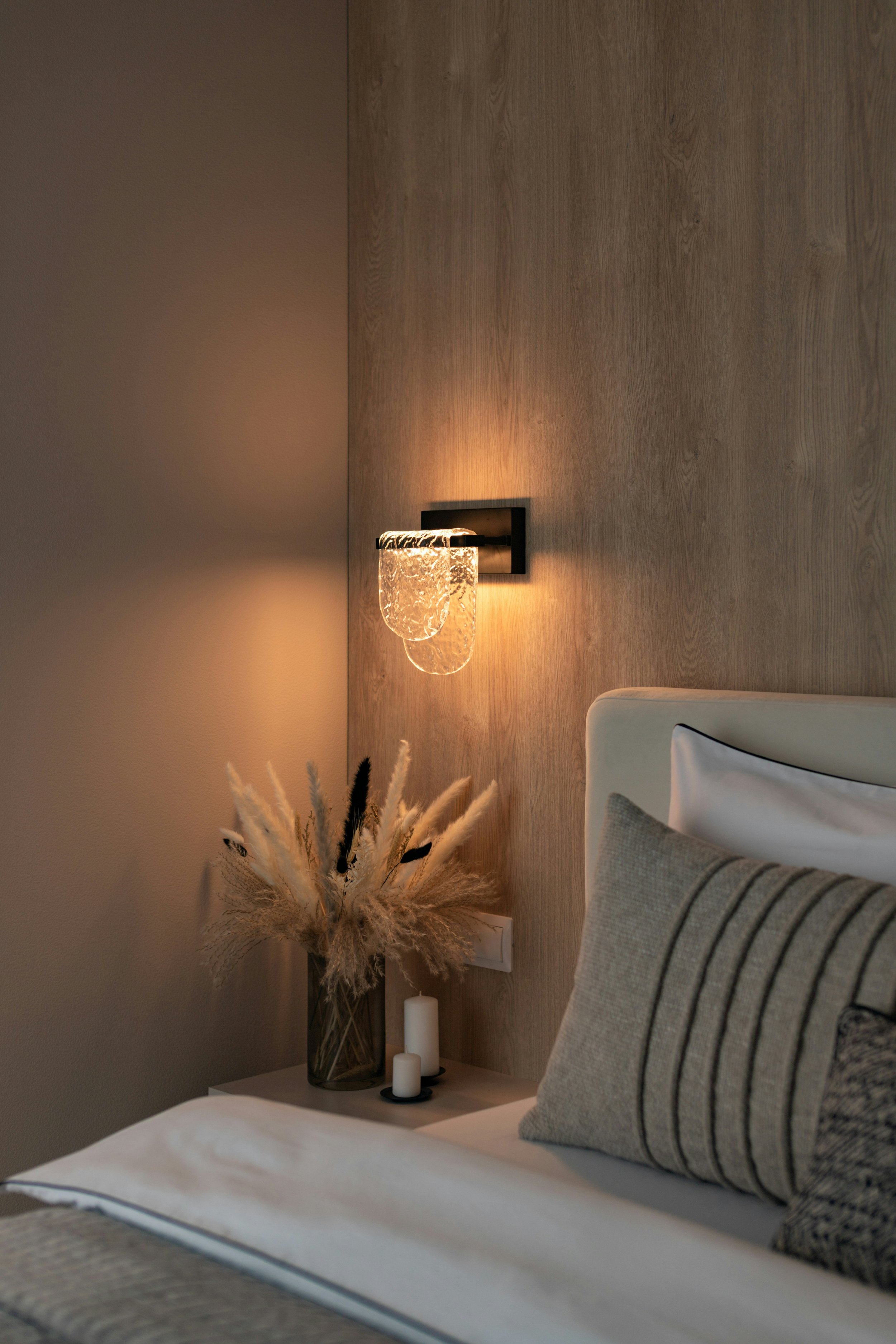
Wall-mounted lights free up valuable surface space on bedside tables, desks and sideboards while adding another layer of light.
They are especially helpful in narrow rooms, small bedrooms and compact living spaces.
Highlight Architectural Features
Lighting alcoves, shelving or artwork encourages the eye to travel around the room, creating a greater sense of depth.
This can make a small space feel more layered and considered, rather than flat or enclosed.
Smart Lighting Ideas for Small Spaces
Small spaces often benefit from subtle lighting choices that make the room feel larger without adding visual clutter.
Try:
slim wall lights instead of bulky table lamps
under-shelf lighting in alcoves or cupboards
rechargeable lights inside wardrobes or pantries
dimmable bulbs to adapt the mood throughout the day
mirror placement opposite windows or light sources
warm lamps in dark corners
low-level evening lighting for a softer atmosphere
pendant lights over dining or work zones to create definition
The aim is not to over-light the room. It is to create balance, so the space feels brighter, easier to use and more comfortable at different times of day.
Lighting Ideas for Every Room
Kitchen
The kitchen is often the hardest-working room in the home.
Layer ceiling lighting with:
under-cabinet LEDs
pendant lights above islands or dining areas
interior cupboard lighting
soft lighting above open shelving
practical task lighting over preparation zones
Combined with organised storage, these lighting choices can make even compact kitchens feel calmer and more spacious.
Living Room
Instead of relying solely on a central ceiling light, combine:
floor lamps
table lamps
wall lights
shelf lighting
picture lights
dimmable bulbs
This creates a relaxed atmosphere while giving you flexibility throughout the day.
A living room may need brighter lighting for reading or family activity, then softer lighting in the evening when the space needs to feel restorative.
Bedroom
Bedrooms benefit from soft, warm lighting that encourages relaxation.
Consider:
bedside lamps
wall-mounted reading lights
wardrobe lighting
dimmable ceiling lighting
low-level evening lighting
The result is a room that feels peaceful rather than overly bright.
In smaller bedrooms, wall-mounted lights can also free up bedside table space, making the room feel less crowded.
Home Office
Natural daylight should always be prioritised where possible.
Alongside this, introduce practical task lighting ideas such as adjustable desk lamps that reduce glare and improve concentration.
Well-positioned lighting also helps define a workspace within a multifunctional room, which is especially useful in homes where offices are created within bedrooms, living rooms or landing spaces.
Hallway
Hallways are often overlooked, but they set the tone for the rest of the home.
Wall lights, ceiling spotlights and console table lamps can create a welcoming first impression while helping the space feel wider and brighter.
In narrow hallways, lighting the length of the space rather than relying on one central fitting can help guide the eye and make the area feel more open.
Utility Room
Utility rooms are highly practical spaces, but they are often under-lit.
Good lighting can make laundry, cleaning and storage routines much easier. Consider ceiling lighting for general use, task lighting above worktops and cupboard or shelf lighting where items are stored.
When a utility room is well lit, it becomes easier to see what you have, keep categories organised and maintain the systems you have created.
Choosing the Right Bulbs
The colour temperature of your bulbs affects how a room feels.
As a general guide:
Warm white, 2700-3000K: creates a cosy, relaxing atmosphere for living rooms and bedrooms
Neutral white, 3000-4000K: works well in kitchens, bathrooms and utility rooms
Cool white, 4000K+: can be useful for task-focused spaces such as home offices, but should be used sparingly elsewhere
Consistency throughout your home creates a more cohesive and calming feel.
If neighbouring rooms use very different bulb temperatures, the overall flow of the home can feel less considered. In smaller homes especially, a consistent lighting temperature can help spaces feel more connected.
Simple Lighting Updates With a Big Impact
You do not need to renovate your home to improve its lighting.
Small changes can make a noticeable difference.
Try:
replacing outdated bulbs with brighter LEDs
adding rechargeable cupboard lights
installing under-shelf lighting
introducing table lamps into dark corners
swapping bulky lamps for elegant wall lights
using dimmers to adapt lighting throughout the day
positioning mirrors opposite windows or light sources
adding lighting inside wardrobes, pantries or utility cupboards
These simple updates can improve how spacious your home feels, while also making daily routines easier.
Bringing Organisation and Lighting Together
At Homefulness, we believe beautifully organised homes are about far more than tidy cupboards. They are about creating spaces that support the way you live.
Storage, organisation and lighting all work together to achieve this.
Thoughtfully organised cupboards become even more practical when they are well lit. Clear worktops feel brighter beneath under-cabinet lighting. A beautifully organised wardrobe becomes a pleasure to use when every shelf is illuminated.
When organisation and lighting are considered together, every room feels calmer, more intuitive and noticeably easier to enjoy.
FAQs
What lighting is best for small spaces?
The best lighting for small spaces is layered lighting. This usually includes ambient lighting for general brightness, task lighting for specific activities and accent lighting to add warmth and depth.
How can lighting make a small room look bigger?
Lighting can make a small room look bigger by softening dark corners, brightening work surfaces and drawing the eye around the space. Using several light sources at different heights usually works better than relying on one ceiling light.
How do I layer lighting at home?
Start by thinking about how each room is used. Add general lighting for overall brightness, task lighting where specific activities happen and accent lighting to create atmosphere or highlight features.
Can lighting help with organisation?
Yes. Good lighting helps you see what you own, access storage more easily and maintain organised systems. It is especially useful inside wardrobes, pantries, cupboards and utility spaces.
Where should lights be placed in a small room?
Place lights across different heights and areas rather than only in the centre of the ceiling. Light corners, work surfaces, shelves, storage areas and key features to create more depth and balance.
Are wall lights good for small spaces?
Yes. Wall lights are useful in small spaces because they free up surface space while adding another layer of light. They work particularly well beside beds, in narrow hallways, above shelving or in compact living rooms.
Final Thoughts
The best interiors do not rely on one dramatic design feature. Instead, they combine thoughtful details that quietly improve everyday life.
Lighting is one of those details.
By embracing layered lighting at home, incorporating practical task lighting ideas, improving lighting for organisation and following simple home lighting tips, even the smallest rooms can feel brighter, larger and more functional.
Whether you are refreshing a single room or rethinking your entire home, good lighting does not simply help you see your space. It helps you experience it differently.
At Homefulness, we help clients create calm, beautifully organised homes where storage, lighting, flow and everyday routines work together.
If you would like support making a small space feel calmer, brighter and easier to live in, Homefulness can help you plan the right next step.
And when thoughtful organisation and lighting work together, your home can feel not only more spacious, but more intuitive, practical and quietly supportive every day.

Jessica has been part of the Homefulness team since 2019, first as a professional organiser and now leading business development and social media. With a background in merchandising and retail management, she pairs a sharp eye for styling with practical, systems-led organisation, and has helped clients across London and the South East create calmer, clutter-free homes.
Meet the Homefulness team →Found this useful? Add Homefulness as a preferred source on Google.