
Organising with Neurodiversity in Mind: Simple Working Systems
Organisation is often presented as a universal skill - something that should look the same for everyone. But in reality, organising isn’t one-size-fits-all. Neurodiversity-friendly organisation means creating systems that feel easier to use, not harder to maintain.
For neurodivergent individuals, especially those living with ADHD, many traditional organising methods can feel unrealistic, exhausting, or impossible to maintain. Systems that depend on constant tidying, hidden storage, or complicated routines often don’t support the way an ADHD brain works day to day.
The truth is: organisation should not feel like a test you’re failing.
When we begin organising with neurodiversity in mind, the goal shifts. It’s no longer about perfection or aesthetics - it becomes about support. Neuroinclusive homes are designed to reduce stress, create clarity, and make everyday life feel lighter.
This guide explores simple, practical strategies for organising for ADHD, with working systems that reduce distraction, create visual structure, and feel genuinely sustainable.
How Do I Organise for Someone with ADHD?
The most effective organising for ADHD begins with one essential principle:
The system should work with your brain, not against it.
ADHD affects executive functioning - the brain processes responsible for planning, initiating tasks, remembering steps, and staying consistent with routines. That means organisation needs to be easier, more intuitive, and far less complicated than most advice suggests.
Instead of aiming for ‘perfectly organised,’ aim for effortlessly functional.
A helpful approach is reducing the number of steps required to put something away. If storing an item requires opening a drawer, moving other things, folding neatly, and remembering where it belongs, the system may not last.
ADHD-friendly organisation works best when it is:
Straightforward
Accessible
Visible
Easy to reset
For example, hooks are often easier than hangers. Open baskets can feel more achievable than lidded boxes. The less thinking it requires, the more likely you are to use it.
Organisation should remove friction, not create more of it.
If you’re not sure what to keep, what to simplify, or what is making the space feel “too much”, our decluttering service can help you reduce the noise and create systems that feel easier to live with.
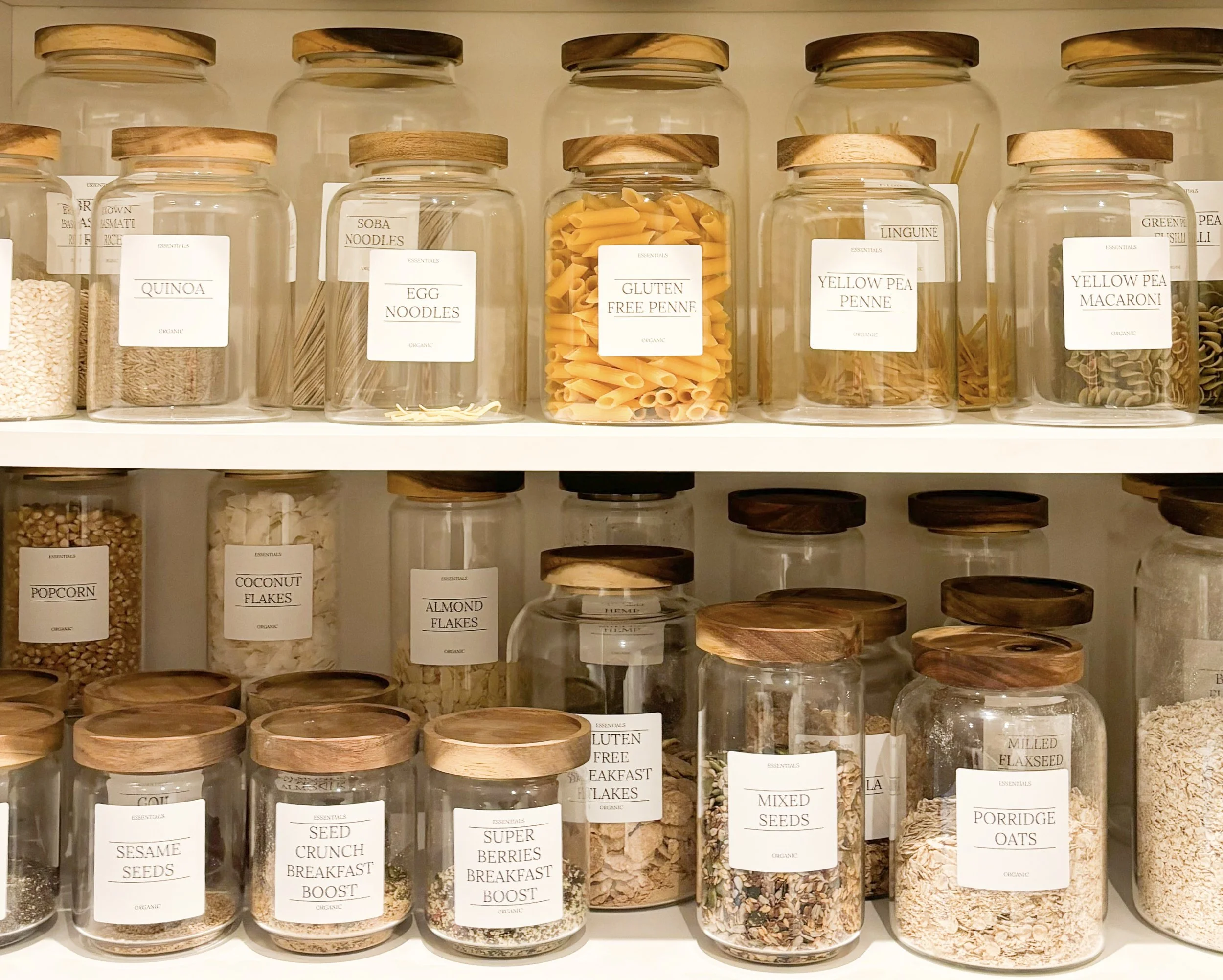
What Makes a Space Neurodiversity-Friendly?
A neurodiversity-friendly space supports the way different brains process information, clutter, routines, and sensory input.
In neuroinclusive homes, organisation isn’t about having less - it’s about having clarity.
A supportive home environment often includes:
Clear ‘homes’ for everyday essentials
Visual cues that reduce decision fatigue
Fewer overwhelming piles and clutter hotspots
Storage that is intuitive, not hidden or overly complex
Sensory-friendly tweaks can also help, especially in busy rooms:
Keep lighting soft and consistent where possible
Reduce background noise in “focus” areas
Choose storage that feels calm to look at and easy to open
Neuroinclusive organisation focuses on ease. When a space is predictable and navigable, the brain can relax.
This is especially important in high-use areas like kitchens, entryways, bedrooms, and home offices - places where routines happen and clutter tends to gather quickly.
A neurodiversity-friendly home doesn’t need to look minimalist or styled. It needs to feel calm, supportive, and manageable.
What Systems Reduce Distraction?
Distraction is one of the most common challenges in ADHD households.
When surfaces are cluttered, storage is messy, or items don’t have consistent places, the brain is forced to process too much at once. This can lead to overwhelm, avoidance, or constant unfinished ‘mental tabs’ running in the background.
The goal isn’t a spotless home.
It’s minimal distractions where it matters most. Start with the surfaces you see most often, like the kitchen counter, hallway table and bedside area.
One of the most effective systems is creating drop zones.
Drop zones are dedicated landing spaces for the items you use daily - things like:
Keys
Bags
Post
Chargers
Shoes
Everyday essentials
When these items have an obvious home, they stop becoming clutter.
Another helpful strategy is reducing visual noise. Too many objects on countertops or open shelves can pull attention in multiple directions.
A few sound ways to reduce distraction include:
Keeping surfaces as clear as possible
Storing like-with-like
Using containers to group categories
Avoiding overly detailed micro-organising
Open storage can also be very ADHD-friendly. For many people, ‘out of sight’ becomes ‘out of mind’. Clear bins, shallow shelves, and visible systems help keep items accessible without becoming chaotic.
The key is balance: visible enough to remember, contained enough to feel calm.
Want a setup that reduces visual noise without hiding everything away? Explore our home organisation services and we’ll help you build clear zones and storage that feel calm, obvious, and easy to maintain.
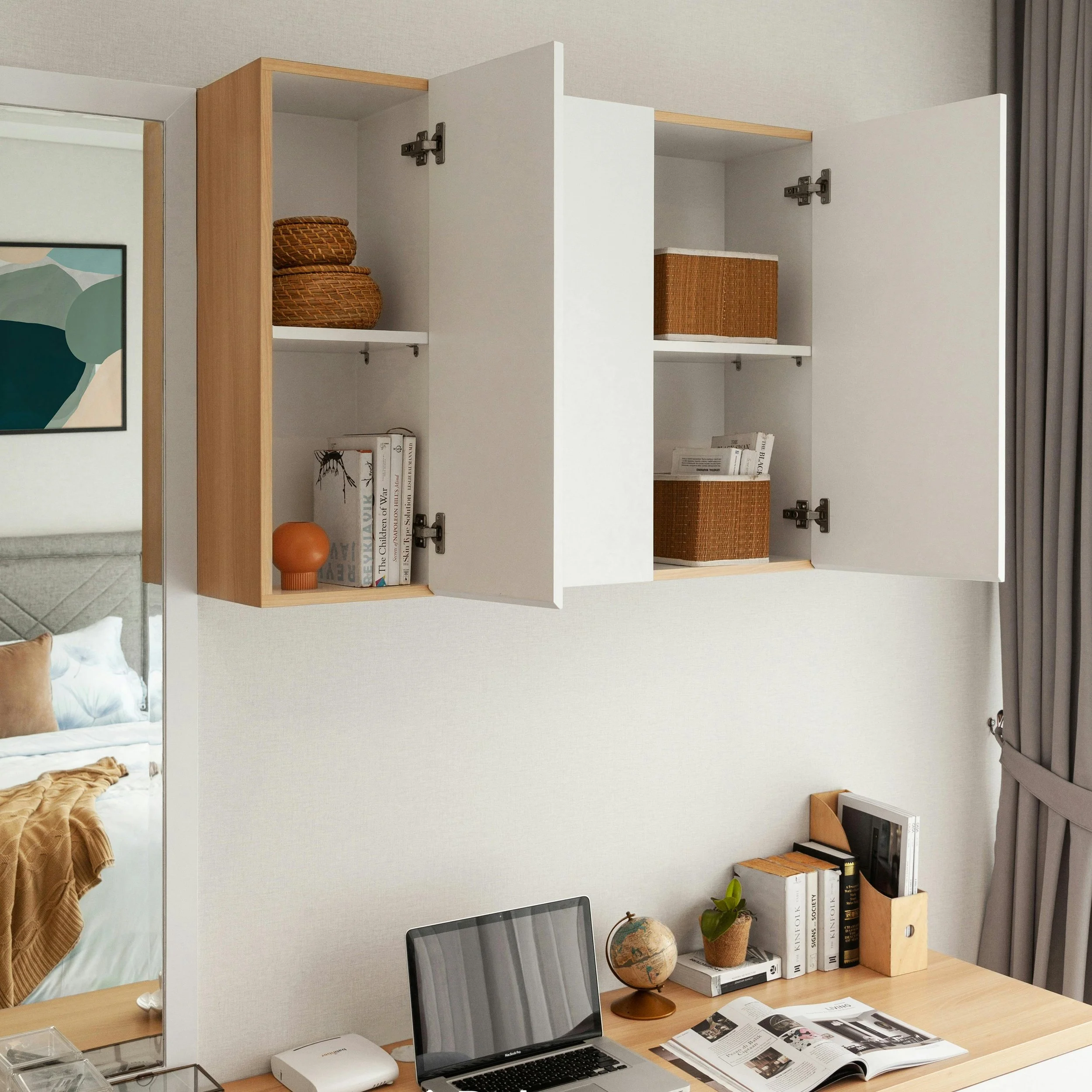
How Do I Create Structure Visually?
Visual structure is one of the most powerful tools in organising for ADHD.
When the brain can see where things belong, it doesn’t have to work as hard to make decisions. Instead of constantly asking ‘Where does this go?’, the home begins to answer for you.
One of the simplest ways to create visual structure is organising by zones rather than categories.
Think about function:
A coffee-making zone
A laundry zone
A school paperwork zone
A morning routine zone
A self-care zone
Grouping items by activity makes everyday life flow more naturally.
Clear labelling ideas are also incredibly supportive. Labels aren’t just aesthetic - they reduce cognitive load and make systems easier to maintain.
Effective ADHD-friendly labels are:
Large
Simple
Obvious
Consistent
For example, ‘snacks’, ‘baking’, ‘cleaning’ or ‘chargers’ works far better than overly specific subcategories.
If you have to open something to remember what’s inside, the label needs to be bigger or the storage needs to be clearer.
A label becomes a visual reminder, helping everyone in the home reset the space quickly.
What Systems Help Reduce Decision Fatigue?
ADHD brains often experience decision fatigue faster than neurotypical brains. Too many choices can make even small tasks feel exhausting.
The best organisational systems remove unnecessary decisions.
For example:
Keep only one basket for incoming paperwork
Store everyday items at eye level
Limit storage options (fewer containers, not more)
Create a default place for frequently used items
When there is one obvious home, the brain doesn’t have to think.
Organisation becomes automatic, not effortful.
Is Colour-Coding Helpful for ADHD?
Yes - colour-coding can be extremely helpful for ADHD when used thoughtfully.
Colour offers instant visual cues, which can support memory, create clarity, and make systems easier to follow.
Colour-coding works especially well for:
Family schedules
Shared household categories
Routine-based zones
However, it’s important not to overdo it. Too many colours can feel overstimulating or confusing.
A simple approach is best:
One colour per person
One colour per category
Consistent use across the home
Used minimally, colour can create structure without adding clutter.
Routine Systems That Support Everyday Life
One of the most effective organising tools for ADHD is routine - not rigid schedules, but gentle systems that repeat naturally.
The best routine systems are built around habits that already exist.
For example:
If you always drop your bag by the door, that’s where the hook belongs.
If laundry piles up where clothes come off, that’s where the basket should go.
If paperwork lands on the kitchen counter, that’s where the tray system needs to live.
Organisation becomes easier when the system meets you where you are, not where you ‘should’ be.
It also helps to build in reset points.
Homes don’t stay perfect - and they don’t need to. ADHD-friendly organisation is about easy recovery.
A reset that takes five minutes is better than a perfect system you avoid.
Some gentle reset systems include:
A weekly ‘reset basket’ for misplaced items
A 10-minute evening tidy routine
A simple Sunday prep zone
One consistent space to gather clutter before sorting
The goal is not constant maintenance. It is sustainability.
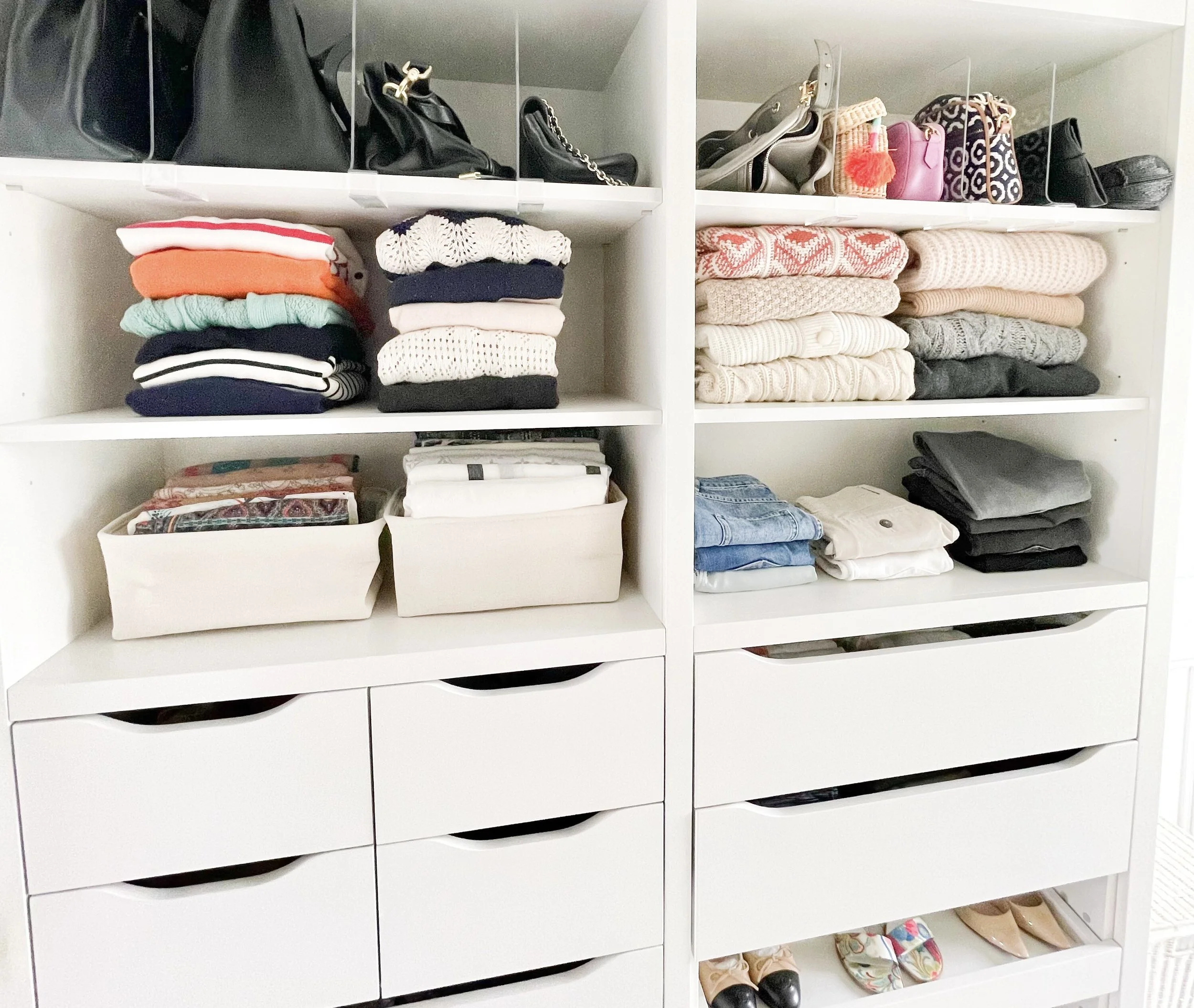
Final Thoughts: Organisation as Support, Not Pressure
Organising with neurodiversity in mind isn’t about controlling clutter.
It’s about creating a home that supports your brain, your routines, and your wellbeing.
The most successful neuroinclusive homes are built on:
Visual clarity
Clear labelling ideas
Minimal distractions
Routine systems that feel realistic
Uncomplicated, intuitive storage
Creating a Home That Truly Supports You
Organising for ADHD and neurodiversity isn’t about forcing yourself into systems that don’t fit. It’s about creating spaces that feel calm and supportive - where daily life flows more easily and your home works with you, not against you.
With the right structure, clear labelling, and low-effort routines, organisation becomes less overwhelming and far more sustainable.
If you’d like support creating neuroinclusive systems that feel realistic to keep up, get in touch and we’ll talk through what would make the biggest difference in your home.
FAQs
What should I do if I keep buying organisers but nothing stays organised?
It usually means the categories are unclear or the system has too many steps. Pause on buying storage, simplify what you’re keeping, then choose one easy “home” per category that is visible and reachable.
How do I organise when I struggle with object permanence but hate visual clutter?
Aim for “visible but contained.” Shallow baskets, clear-front drawers, and simple labels can keep items findable without leaving everything out on open surfaces.
How can I make labels work when they get ignored?
Use fewer labels, make them bigger, and put them where decisions happen. If a label needs decoding, it’s too detailed. One or two words is usually enough.
What’s a good system for items that never seem to have a home?
Create a single “landing zone” for in-between items, like a tray or basket, then schedule a short weekly reset. This prevents roaming clutter without demanding daily perfection.
How do I build routines without feeling boxed in or failing when I miss a day?
Choose routines that attach to existing habits, like keys by the door or laundry basket where clothes come off. Treat resets as recovery, not proof the system failed.
What changes help most in shared households where everyone has different preferences?
Agree on a few shared rules for shared spaces, like one drop zone, one basket for paperwork, and one place for chargers. Give each person their own storage spot so the system feels fair.

Jessica has been part of the Homefulness team since 2019, first as a professional organiser and now leading business development and social media. With a background in merchandising and retail management, she pairs a sharp eye for styling with practical, systems-led organisation, and has helped clients across London and the South East create calmer, clutter-free homes.
Meet the Homefulness team →Found this useful? Add Homefulness as a preferred source on Google.