
Home Labelling Ideas: Simple Systems That Keep Everything in Place
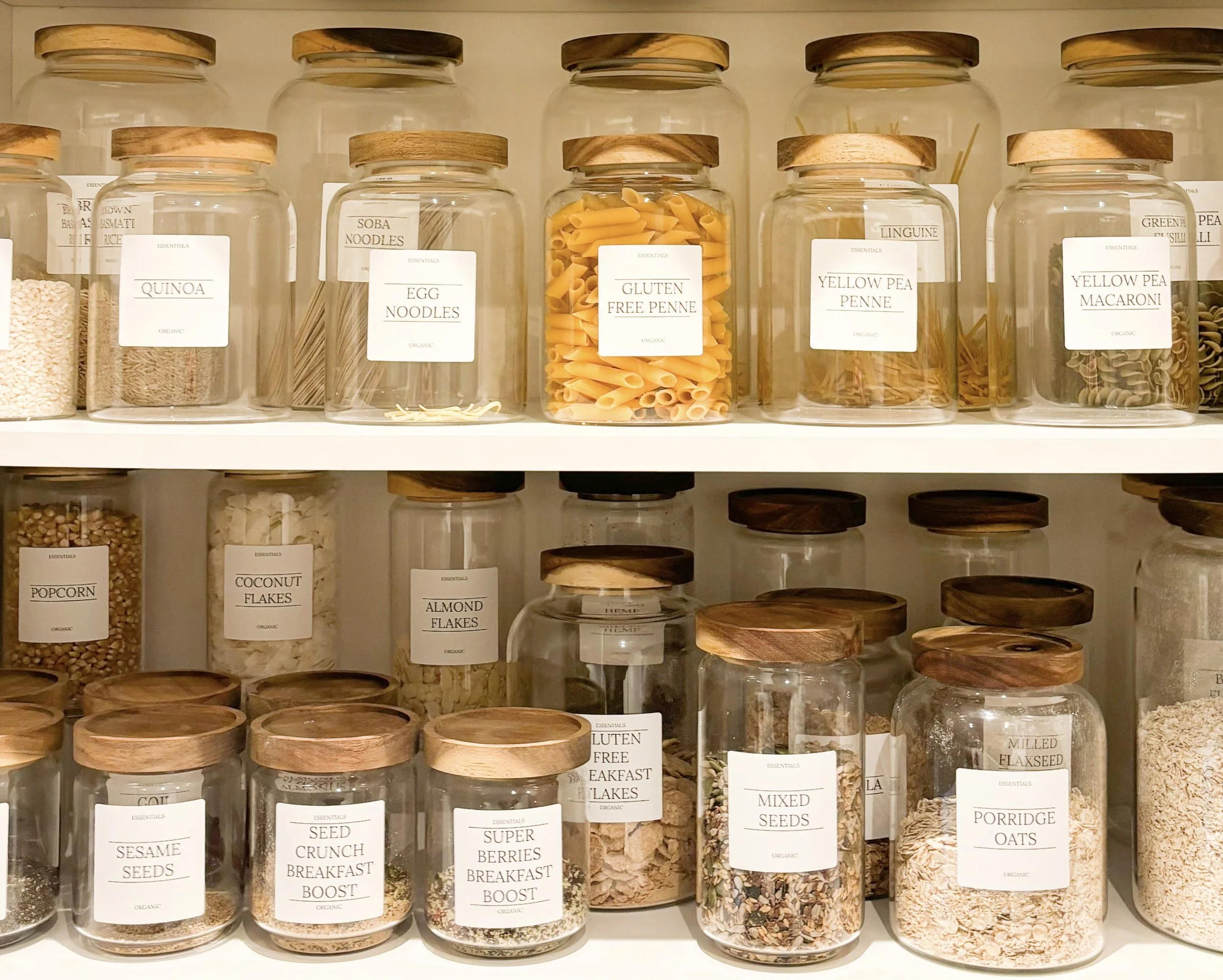
There’s something quietly transformative about a well-labelled home. Not because labels make a space look perfect, but because they create clarity. They remove hesitation, reduce visual overwhelm, and help every member of the household understand where things belong.
At Homefulness, we believe that organisation works best when it feels intuitive - and labels are one of the simplest ways to achieve that. Whether you’re creating calm in a busy family kitchen, streamlining a wardrobe, or maintaining a beautifully organised pantry, thoughtful labelling turns good systems into sustainable ones.
In this guide, we’ll explore practical and stylish home labelling ideas, what to label, what not to label, and how to create a simple labelling system that keeps your home calm, functional and easy to maintain long-term.
Because when everything has a place - and everyone knows where that place is - daily life becomes significantly easier.
Why Labels Matter for Home Organisation
Many people assume labels are purely aesthetic: a finishing touch, or something reserved for perfectly curated pantries on Pinterest.
But in reality, labels are incredibly practical. A good label removes mental load. It eliminates decision fatigue and creates consistency in how a home functions. Instead of constantly wondering where something goes, the answer is already there, quietly guiding the system in the background.
This is why organising with labels is so effective. It transforms organisation from something temporary into something maintainable.
Without labels, systems often rely on memory. And over time, that memory fades. Drawers become mixed, cupboards slowly lose structure, and clutter begins to creep back in. Labels help maintain order effortlessly.
How to Label Things at Home Effectively
The most effective labels are simple, readable, and designed around how you actually live.
Before creating labels, start by organising the space itself. Labels should support an existing system, not replace one. If a drawer or cupboard is still overcrowded or unclear, adding labels won’t solve the problem.
Once your categories are established, focus on clarity rather than detail.
For example:
‘Snacks’ instead of overly detailed subcategories
‘Baking’ rather than listing every ingredient
‘Tech Accessories’ instead of multiple complicated labels
Before making a label, ask:
Is this category clear?
Will everyone in the home understand it?
Is the label easy to read quickly?
Will this category still make sense in a few months?
If the answer is yes, the label is likely to support the system rather than complicate it.
The easier a label is to understand at a glance, the easier the system becomes to maintain.
Consistency also matters. Using similar fonts, colours, containers, or styles throughout your home creates visual calm and makes the entire space feel more intentional.
A successful labelling system should feel effortless to use, almost invisible in how naturally it supports your routines.
What Should You Label at Home?
Not everything needs a label. In fact, over-labelling can make a home feel visually busy, rigid and harder to use.
The best approach is to label areas where clarity will genuinely help:
Multiple people use the system
Items are frequently moved around
Categories could become unclear over time
You want to maintain consistency long-term
Some of the most useful areas for home storage labels include:
Pantry and food storage
This is often the first place people think of when looking for pantry label ideas, and for good reason.
Labels make kitchens significantly easier to maintain because they reduce duplicate purchases, improve visibility, and simplify meal preparation.
Common pantry label categories include:
Pasta
Rice
Snacks
Baking
Breakfast
Tea & Coffee
Clear containers paired with subtle labels can also create a sense of visual order, making kitchens feel calmer and more spacious.
Utility and laundry rooms
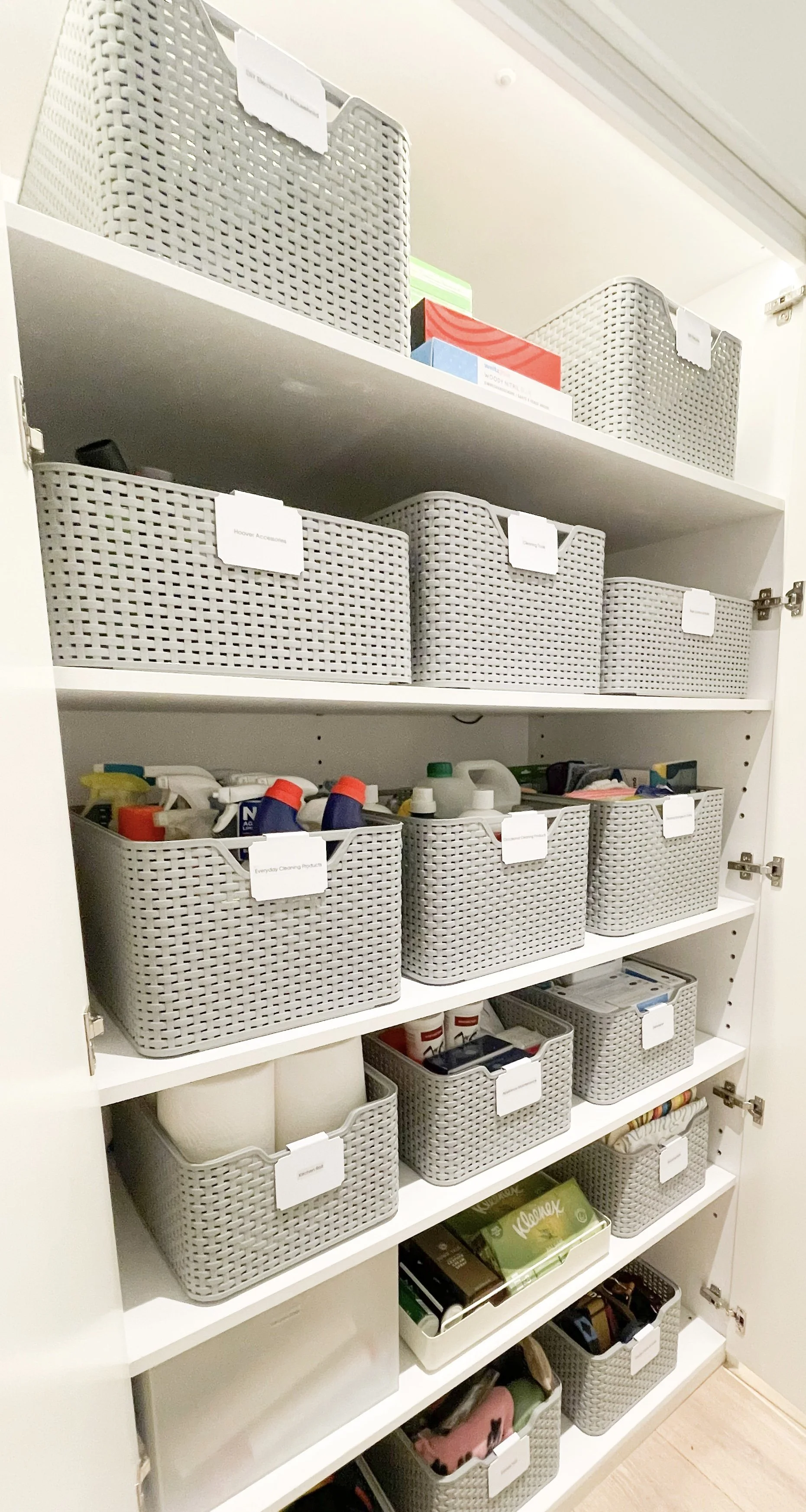
Laundry products, cleaning supplies, pet items, batteries, and household essentials all benefit from clear categorisation.
These are spaces where practical systems matter more than perfection, and labels help maintain function during busy daily routines.
Wardrobes and dressing areas
Labels can work beautifully in wardrobes - especially for:
Accessories
Children’s clothing
Shoe storage
Travel items
They’re particularly helpful for maintaining organisation over time, especially in shared wardrobes or children’s spaces where systems are easy to disrupt.
Children’s playrooms and bedrooms
Labels support independence. When children can clearly see where items belong, tidying becomes easier and less overwhelming.
Using words alongside simple visuals or icons can be especially effective for younger children.
This is one of the most practical examples of organising with labels improving not just the space itself, but the daily experience of using it.
Bathrooms and beauty storage
Skincare, makeup, hair products, and toiletries often accumulate quickly. Labels help simplify routines and prevent drawers from becoming chaotic.
They’re particularly useful inside drawers and under-sink storage where categories can easily become mixed.
Are Labels Worth It for Organisation?
In short, yes. When used thoughtfully, labels are not about creating perfection. They are about reducing friction in your home.
A beautifully organised space means very little if nobody can maintain it. Labels bridge the gap between the initial organisation and everyday life.
They:
Make systems easier to follow
Help maintain tidiness long-term
Reduce visual and mental clutter
Encourage accountability in shared spaces
Simplify routines
This is why professional organisers often use labels strategically. They create clarity without requiring constant effort or explanation.
The key is balance. Labels should support the system quietly - not dominate the space visually.
How to Make Labels Look Nice
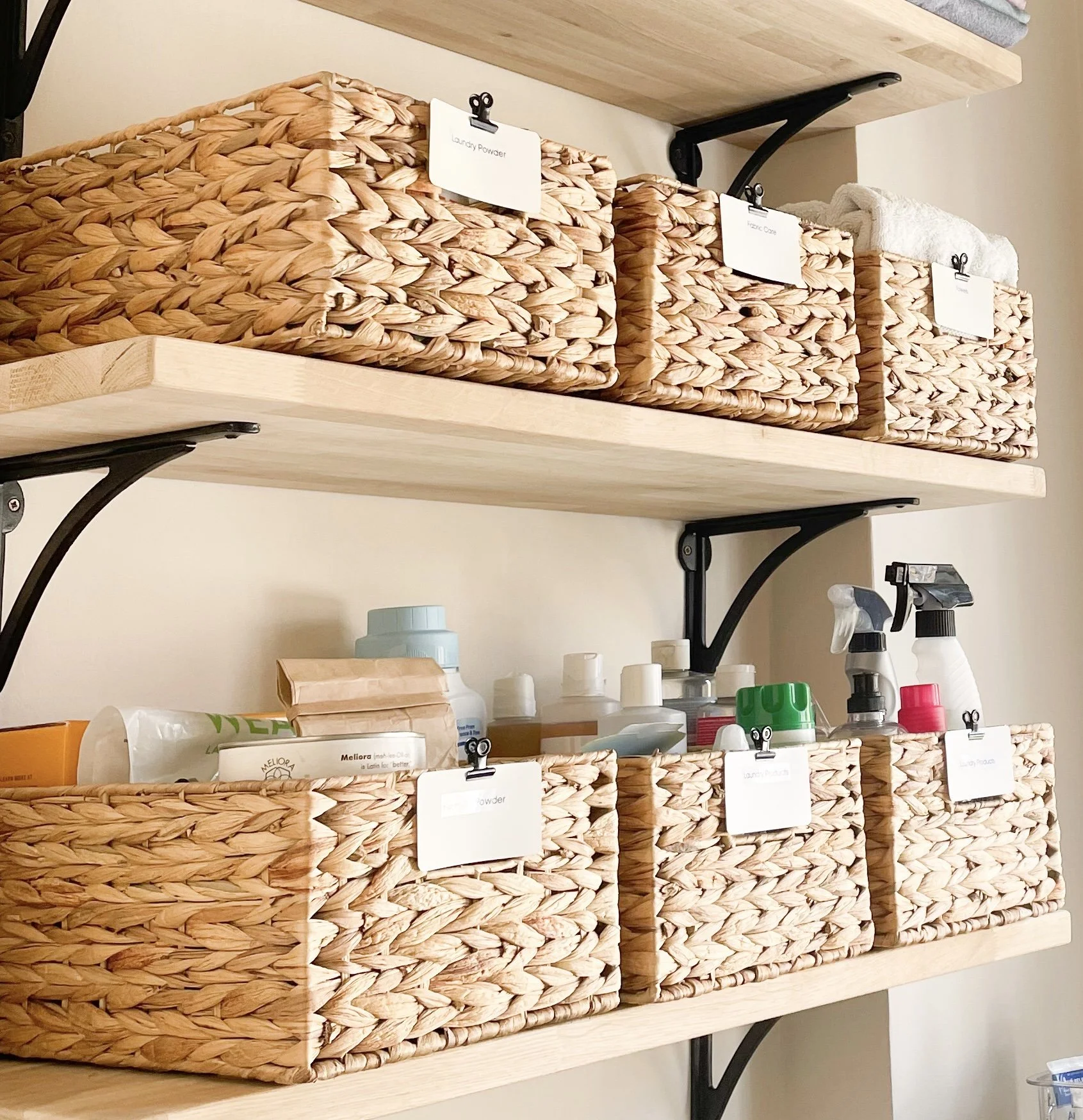
One of the biggest misconceptions around labels is that they need to look overly styled or complicated.
The most elegant labels are often the simplest, especially in homes where the goal is calm rather than visual noise.
To create labels that feel cohesive and calming:
Stick to one font style throughout the home
Use neutral colours where possible
Avoid overcrowding containers with text
Choose materials that complement the space
Prioritise readability over decoration
Minimal labels often feel more timeless and luxurious than highly decorative ones.
For kitchens and pantries, clear labels on glass jars or neutral containers create a calm, cohesive aesthetic while still being highly practical.
In wardrobes or utility spaces, subtle printed labels or embossed tags can add structure without feeling clinical. The goal is always the same: a home that feels effortless, not over-designed or overly labelled.
Choosing the Right Label Style for Your Home
There’s no single ‘correct’ way to label your home. The best approach depends on your lifestyle, aesthetic, and how permanent you want the systems to be.
Some popular label styles include:
Printed labels
Clean, professional, and easy to read. Ideal for pantries, utility rooms, and permanent systems.
Handwritten labels
More relaxed and personal. Perfect for flexible systems or homes with a softer aesthetic.
Chalk labels
Useful for containers that change frequently, such as pantry staples or children’s storage.
Embossed or engraved labels
A more elevated option often used in luxury organising projects. These can work beautifully for wardrobes, bathrooms or custom storage.
Minimal icon labels
Ideal for children’s spaces or visual systems where quick recognition matters more than text.
Common Labelling Mistakes to Avoid
One of the biggest mistakes is labelling before decluttering properly. If the system itself is not functional, labels simply lock in the chaos.
Another common issue is overcomplicating categories. Extremely detailed labels often become difficult to maintain and can make a space feel rigid.
For example:
‘Healthy snacks’ vs ‘sweet snacks’ vs ‘protein snacks’ may eventually create confusion
A simpler ‘Snacks’ category may work far better long-term
It’s also important not to label aspirationally. Your systems should reflect how you genuinely live, not how you wish you lived. Organisation becomes sustainable when it feels realistic.
How Labels Help Reduce Stress at Home
One of the hidden benefits of labelling is the effect it has on the nervous system.
Cluttered or inconsistent environments require constant low-level decision-making:Where does this go?Did I already buy this?Why can’t I find anything?
Labels reduce those mental interruptions. When your home has clear systems, your brain spends less energy processing your environment. Daily tasks become smoother, quicker and less frustrating.
Creating a Home That Works Effortlessly
At its best, organisation should feel almost invisible. You shouldn’t have to constantly think about maintaining your home. The systems themselves should guide you naturally - and labels are one of the simplest tools for creating that flow.
Whether you’re exploring home labelling ideas for a pantry, wardrobe, utility room, or family home, the goal isn’t perfection - it’s ease.
A thoughtful label organisation system creates:
Less stress
Less searching
Less clutter
More clarity
More calm
Final Thoughts
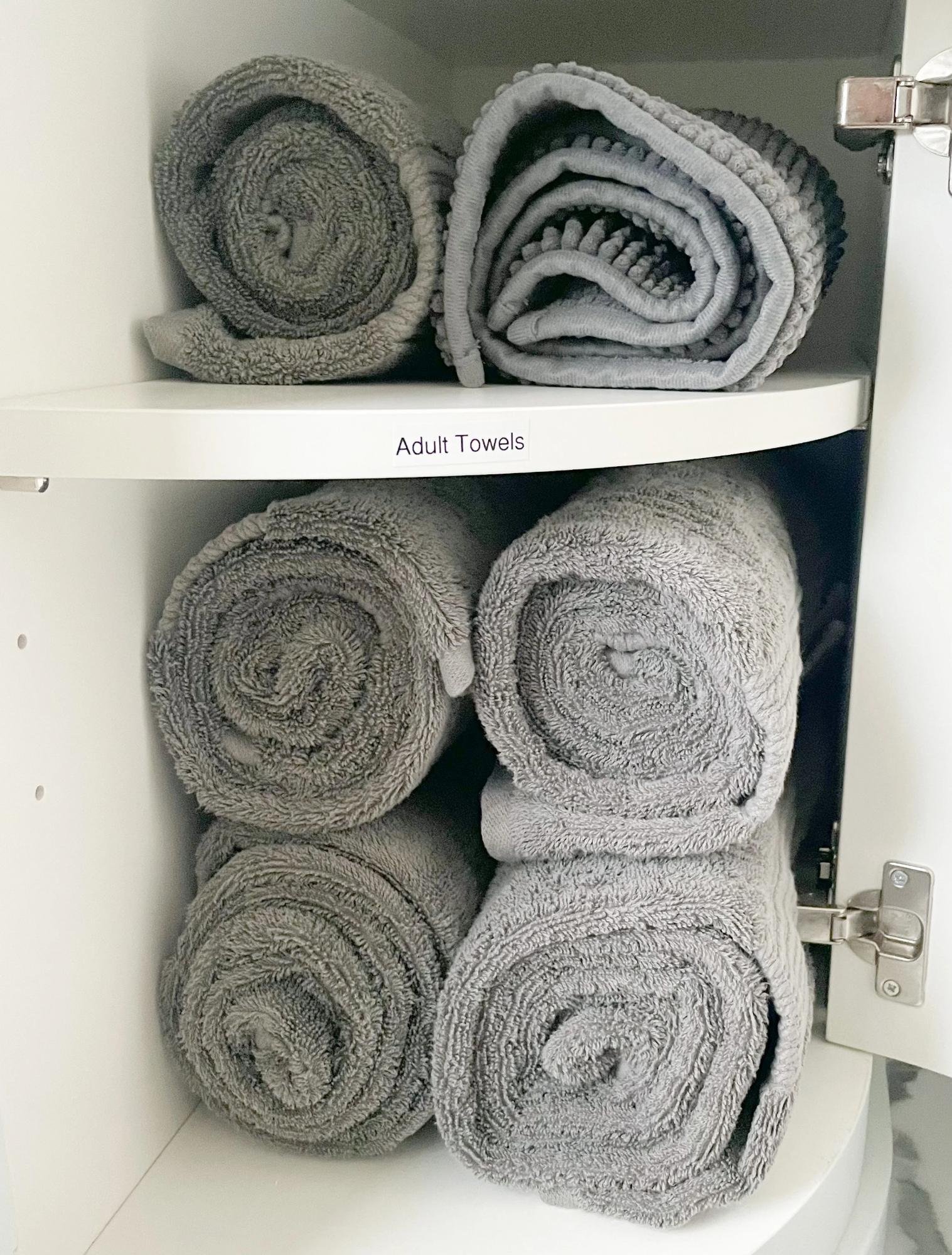
Labels may seem like a small detail, but when used thoughtfully, they can transform how a home functions. They create clarity, support daily routines and help organisation systems stay in place long after the initial reset.
The most effective homes aren’t necessarily the most minimal or perfectly styled - they’re the ones designed with intention. Spaces where everything has a place, systems feel intuitive, and daily life flows with greater ease.
Whether you’re creating pantry labels, improving home storage labels or building a wider labelling system, the goal is always the same: to create a home that feels calmer, lighter and easier to maintain.
At Homefulness, we help clients design beautifully organised homes that work effortlessly in real life. From kitchens and wardrobes to family homes and move management projects, we create thoughtful systems tailored to the way you live, including the finishing details that make organisation easier to maintain.
Because true organisation isn’t about perfection. It’s about creating a home that quietly supports you every day.
FAQs
What is the best way to label storage containers?
The best way to label storage containers is to keep categories simple, use clear wording and choose a label style that suits the space. Labels should be easy to read at a glance and flexible enough to update if the contents change.
Should every box or drawer be labelled?
No. Labels are most useful where they reduce confusion or help maintain a shared system. If the contents are already obvious or the space is used by one person only, a label may not be necessary.
Are printed labels better than handwritten labels?
Printed labels often look cleaner and more consistent, which can work well in pantries, utility rooms and visible storage areas. Handwritten labels can be better for flexible systems that change often.
How do you label children’s storage?
For children’s storage, use simple words, pictures or icons so the system is easy to understand. This can help children tidy more independently and know where items belong.
How often should home labels be updated?
Home labels should be reviewed whenever the system changes. If a category no longer fits what is inside a container, drawer or cupboard, update the label so the system stays useful.

Jessica has been part of the Homefulness team since 2019, first as a professional organiser and now leading business development and social media. With a background in merchandising and retail management, she pairs a sharp eye for styling with practical, systems-led organisation, and has helped clients across London and the South East create calmer, clutter-free homes.
Meet the Homefulness team →Found this useful? Add Homefulness as a preferred source on Google.