
Reusable Storage Ideas for Small Homes
Creating a calm, organised home in a small space is never just about storage - it’s about intention. Every item you bring in, every system you create, and every container you choose plays a role in how your home feels day to day.
At Homefulness, we believe storage should do more than just ‘hold things’. It should support your lifestyle, reduce stress, and adapt as your needs change. And when it’s done sustainably, it becomes a way to live more thoughtfully, with less waste and more purpose.
If you’re looking for reusable storage ideas for small homes, the goal is simple: choose solutions that reduce waste, adapt over time, and make your space easier to live in.
Reusable storage ideas for small homes
Glass jars for pantry and bathroom storage
Stackable modular shelving
Reused household items like boxes and trays
Fabric or natural fibre baskets
DIY storage using everyday items
These solutions are flexible, low-waste, and easy to adapt as your space changes.
What Is Reusable Storage? (And Why It Works in Small Homes)
Reusable storage is about choosing solutions that last. Instead of single-use or short-term fixes, it focuses on pieces that can be used again and again - across different rooms, seasons, and stages of life.
In small homes, reusable storage becomes essential because every item needs to earn its place and adapt as your needs change.

Storage isn’t static; it needs to shift with you. What works in winter may not work in summer. What you need today may look completely different in a year. Reusable storage allows for that flexibility.
It also helps you step away from the cycle of constantly buying new organisers. Rather than replacing items every time your needs change, you create a foundation of storage that evolves with you.
Think of it as building a toolkit for your home:
Pieces that can move from room to room
Containers that can serve multiple purposes
Systems that can be reworked instead of replaced
A simple example might be glass jars used in the kitchen that later become bathroom storage, or a basket that shifts from holding blankets to storing shoes.
Reusable storage brings a sense of ease. Your home feels less like a series of quick fixes, and more like a thoughtfully designed space that supports you over time.
Eco Storage Swaps: Non-Plastic Alternatives That Last
There are many simple, effective eco swaps you can make when it comes to storage, especially if you want eco containers that are durable and low-waste. And often, they’re more beautiful and longer-lasting than their plastic alternatives.
The first step is to rethink materials. Instead of defaulting to plastic, look for eco containers made from natural or durable materials such as:
Glass, which is easy to clean and allows you to see everything at a glance
Wood or bamboo, which add warmth and structure
Metal, which is strong, long-lasting, and recyclable
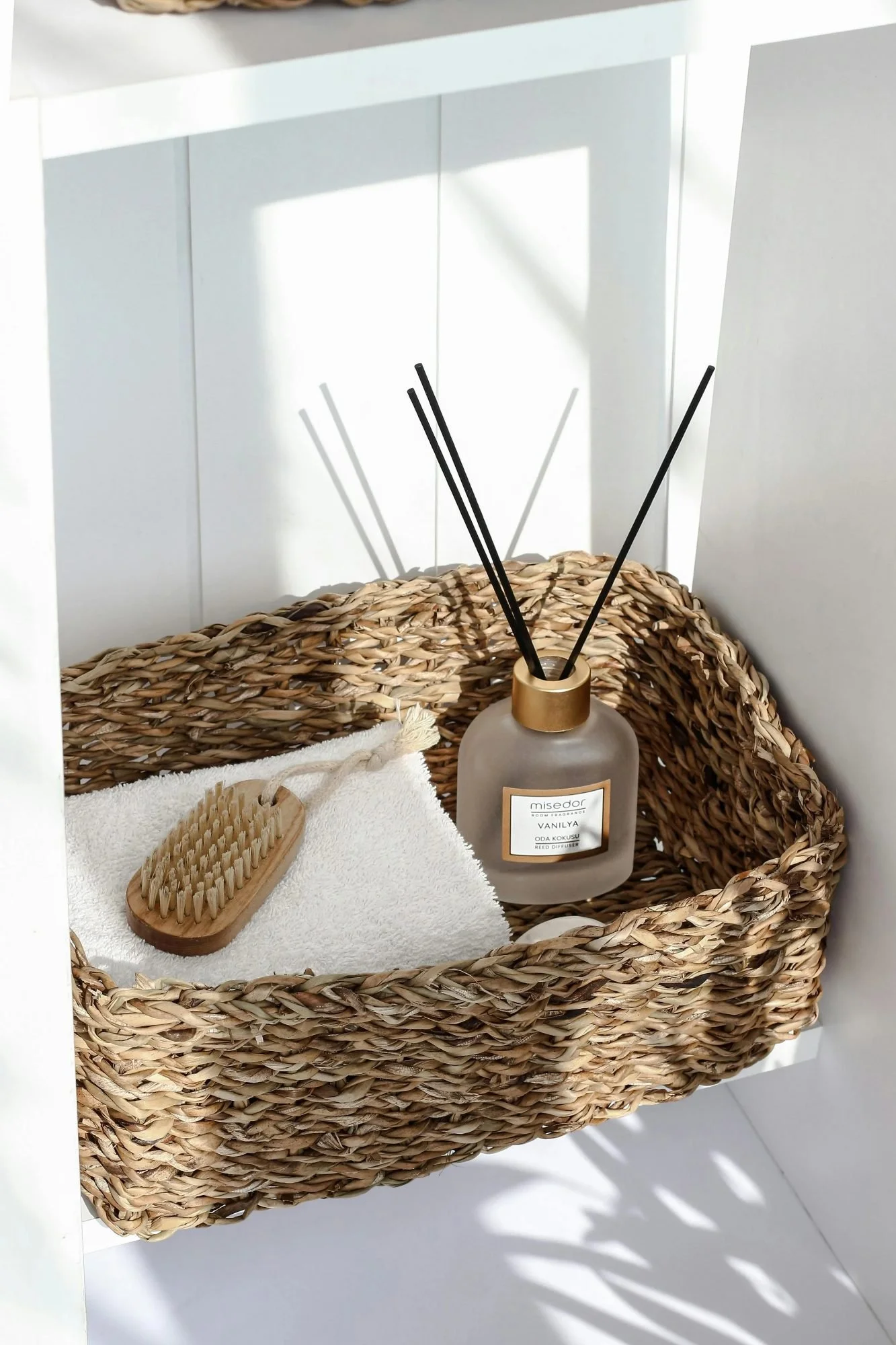
Natural fibres like cotton, linen, or seagrass, which bring softness and flexibility
These swaps don’t just reduce waste - they elevate how your home feels. There’s something inherently calming about natural materials and cohesive storage.
Another powerful shift is learning to work with what you already have. Before buying anything new, pause and look around your home. You may find you already have a wealth of storage solutions waiting to be used.
Some simple examples of reused home items include:
Glass food jars used for pantry or bathroom storage
Shoe boxes repurposed as drawer organisers
Decorative trays used to group everyday items
Baskets moved between rooms depending on the season
This approach aligns beautifully with practical zero waste tips - reducing consumption, reusing what you can, and making thoughtful decisions about what you bring into your home.
Over time, these small swaps create a home that feels both organised and intentional, without the need for constant purchasing.
If you want a system that works in your space, not just in theory, professional home organisation support can help you design storage that actually holds up day to day.
Reusable Storage Ideas for Rentals (Flexible & Non-Permanent)
Renting often comes with limitations, but it also encourages creativity. When you can’t rely on built-in storage or permanent changes, you start to think more flexibly - and often, more sustainably too.
The most effective reusable storage for rentals is portable, adaptable, and easy to reconfigure without permanent changes. It should move with you, not be left behind.
Some of the most useful options include:
Freestanding shelving units that can be styled and repurposed
Stackable boxes that can grow or shrink with your needs
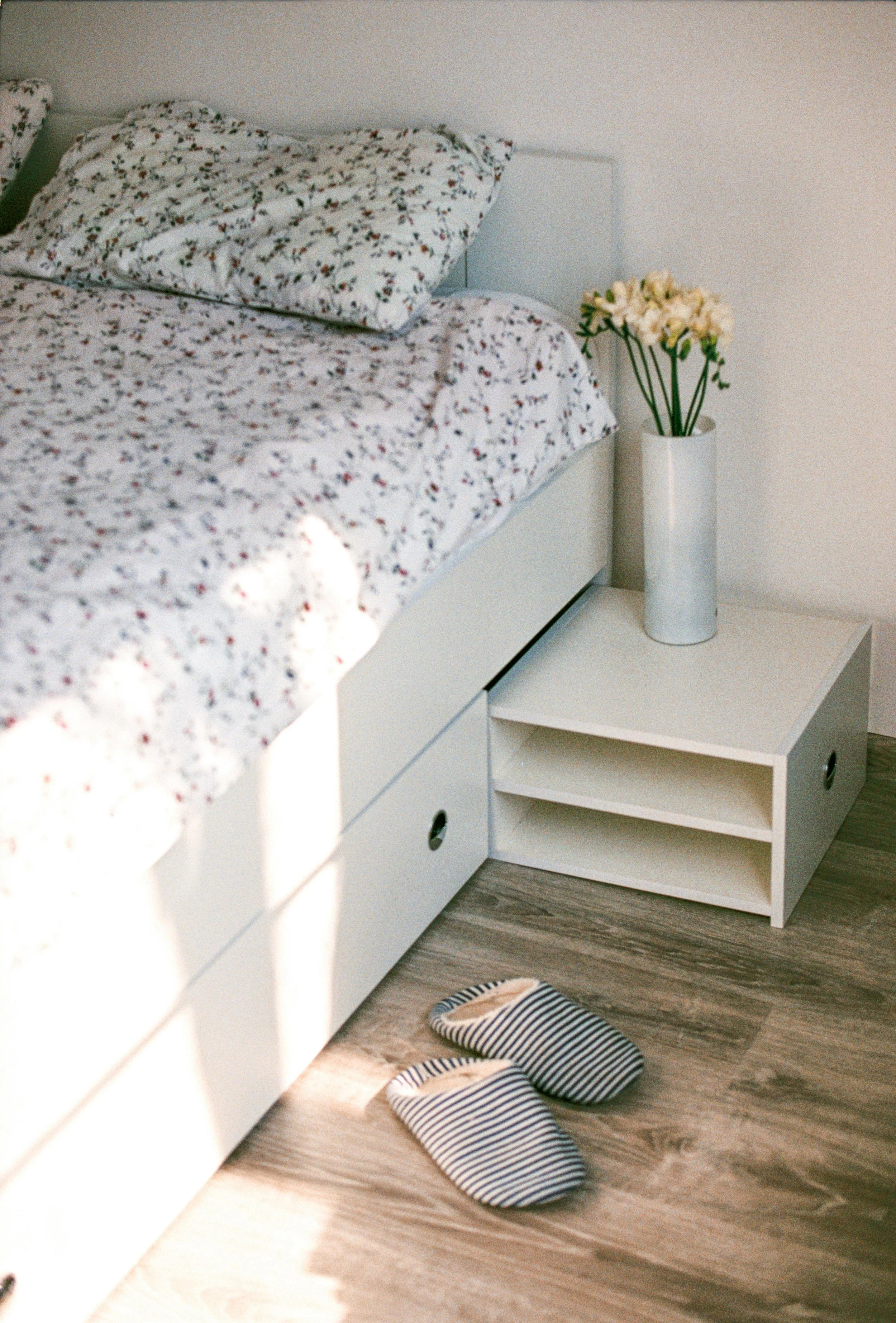
Under-bed storage to maximise hidden space
Over-the-door organisers for bathrooms or wardrobes
Tension rods for adding hanging space without drilling
The key is choosing storage you can reconfigure. This might look like a shelving unit that can be rearranged, or containers that can be stacked differently depending on what you’re storing.
In a rental, flexibility creates freedom. Instead of working against the space, you create systems that adapt to it. And when it’s time to move, everything comes with you - ready to be reimagined in your next home.
DIY Reusable Storage: Make Your Own Sustainable Solutions
Some of the most effective reusable storage solutions are the ones you create yourself using items you already own. They’re not only eco-friendly, but also completely tailored to your space and your needs.
This doesn’t mean complicated DIY projects - it’s often about simple, thoughtful repurposing.
For example:
Glass jars can store everything from dry foods to cotton pads
Shoe boxes can become drawer dividers with a simple covering
Tote bags can be used as hanging storage for accessories
Old tins can organise stationery or small household items
These solutions are practical, accessible, and rooted in creativity. They also help you slow down and think more intentionally about your home.
Larger items can be repurposed too. A wooden crate might become bedside storage, while a ladder can double as a towel rack. Even something as simple as a tray can transform a cluttered surface into a calm, contained space.
This is where sustainability meets personal style. Your home becomes a reflection of how you live, not just what you buy.
Modular Non-Plastic Storage You Can Reconfigure
If you’re looking for long-term, flexible storage, modular systems are one of the most effective solutions - especially in small homes.
Modular storage is designed to adapt, making it one of the most effective types of storage you can reconfigure in a small home.
You can add to it, rearrange it, and reshape it as your needs change. It’s the ultimate form of storage you can reconfigure, allowing your home to evolve without starting from scratch.
When choosing modular systems, opt for modular non-plastic materials such as wood, bamboo, or metal. These materials are more durable, more sustainable, and often more visually calming.
Some simple modular setups include:
Cube storage units paired with baskets
Adjustable shelving systems that can be expanded or reduced
Stackable containers that can be rearranged as needed
Expandable drawer dividers for kitchens, wardrobes, or bathrooms
These systems work across multiple rooms. A shelving unit in the living room might later become office storage. Drawer organisers can move from kitchen to bathroom with ease.
The beauty of modular storage is that it grows with you. Instead of constantly replacing storage, you simply reshape what you already have.
Common Mistakes to Avoid with Reusable Storage
Buying storage before decluttering
Choosing containers that only serve one purpose
Overfilling storage in small spaces
Relying on plastic for short-term fixes
Not planning for flexibility as needs change
Creating a Home That Works for You
Sustainable storage isn’t about perfection - it’s about intention. It’s about choosing solutions that support your daily life, reduce stress, and make your home feel calm and considered.
In a small space, these choices have an even greater impact. When everything has a place, and every system is designed with purpose, your home begins to feel lighter and more spacious.
Reusable storage plays a central role in this. It encourages you to:
Buy less, but choose better
Reuse what you already have
Create systems that adapt over time
Whether you’re using eco containers, repurposing reused home items, or investing in modular non-plastic systems, each step brings you closer to a home that truly works for you.
And perhaps most importantly, it reminds you that organisation isn’t just about tidying - it’s about creating a space that supports your life, your routines, and your sense of calm.
If you’d like support creating flexible, sustainable systems in your home, Homefulness can help you design practical home organisation systems that work with your space and evolve with your needs.
FAQs
What is reusable storage?
Reusable storage refers to containers and systems designed to be used repeatedly across different rooms, seasons, or life stages, rather than replaced frequently.
Are there eco swaps for plastic storage?
Yes. Options like glass jars, wooden boxes, metal containers and fabric baskets offer durable, low-waste alternatives to plastic storage.
What storage works best in small homes?
Flexible and modular storage works best, such as stackable containers, under-bed storage, and multi-purpose baskets that can be moved or repurposed.
Can I create my own storage solutions?
Yes. Many effective solutions come from repurposing items you already own, such as jars, boxes, trays, and tote bags.
What is modular storage and why is it useful?
Modular storage consists of pieces that can be rearranged or expanded over time, making it ideal for small homes where needs change frequently.
Is reusable storage more expensive?
Upfront costs can be higher, but reusable storage often lasts longer and reduces the need for frequent replacements, saving money over time.

Jessica has been part of the Homefulness team since 2019, first as a professional organiser and now leading business development and social media. With a background in merchandising and retail management, she pairs a sharp eye for styling with practical, systems-led organisation, and has helped clients across London and the South East create calmer, clutter-free homes.
Meet the Homefulness team →Found this useful? Add Homefulness as a preferred source on Google.