
How to Create a Calm Family Quiet Zone (Even in a Busy Home)
In a busy family home, noise, movement, and constant activity can quickly become part of the background. Between school mornings, work schedules, mealtimes, and everything in between, it’s easy for your home to feel full - not just physically, but mentally too.
That’s why creating a family quiet zone can be so valuable.
It’s not about silence or perfection. It’s about creating a small, intentional place where both adults and children can pause, reset, and step away from the intensity of the day.
In this guide, we’ll cover:
How to create a quiet zone in a small home
What to include in the space
How to encourage quiet time for kids
What actually helps reduce stress at home
Whether these spaces really work
Why a Family Quiet Zone Helps in a Busy Home
This kind of space is more than just a cosy corner. It’s an environment designed to gently reduce stimulation and support wellbeing.
In family homes especially, having a dedicated place to step away from noise or activity can make a noticeable difference. These wellbeing spaces give children an opportunity to regulate their emotions and give adults a moment to breathe in an otherwise busy day.
They also help to normalise rest. Instead of always being ‘on’, your home begins to support quieter moments too - whether that’s reading, sitting, thinking, or simply doing nothing at all.
Over time, this balance helps the home feel more grounded, with energy and restfulness existing side by side.
Step 1: Choose the Right Spot
One of the most common questions is whether you need extra space to create a quiet zone. The answer is no.
You don’t need a spare room or a large house. In fact, some of the most effective low-stimulation spaces are created within the natural flow of everyday living.
Quiet Zone Ideas for Small Homes
Start by identifying an area that feels slightly removed, even if it sits within a shared room. The goal is not to isolate it completely, but to give it a clear sense of purpose.
Good locations in a busy home include:
a corner of the living room
a section of a child’s bedroom
a landing or hallway nook
an unused corner of a home office or guest room
Once you’ve chosen the spot, define it visually with simple cues such as:
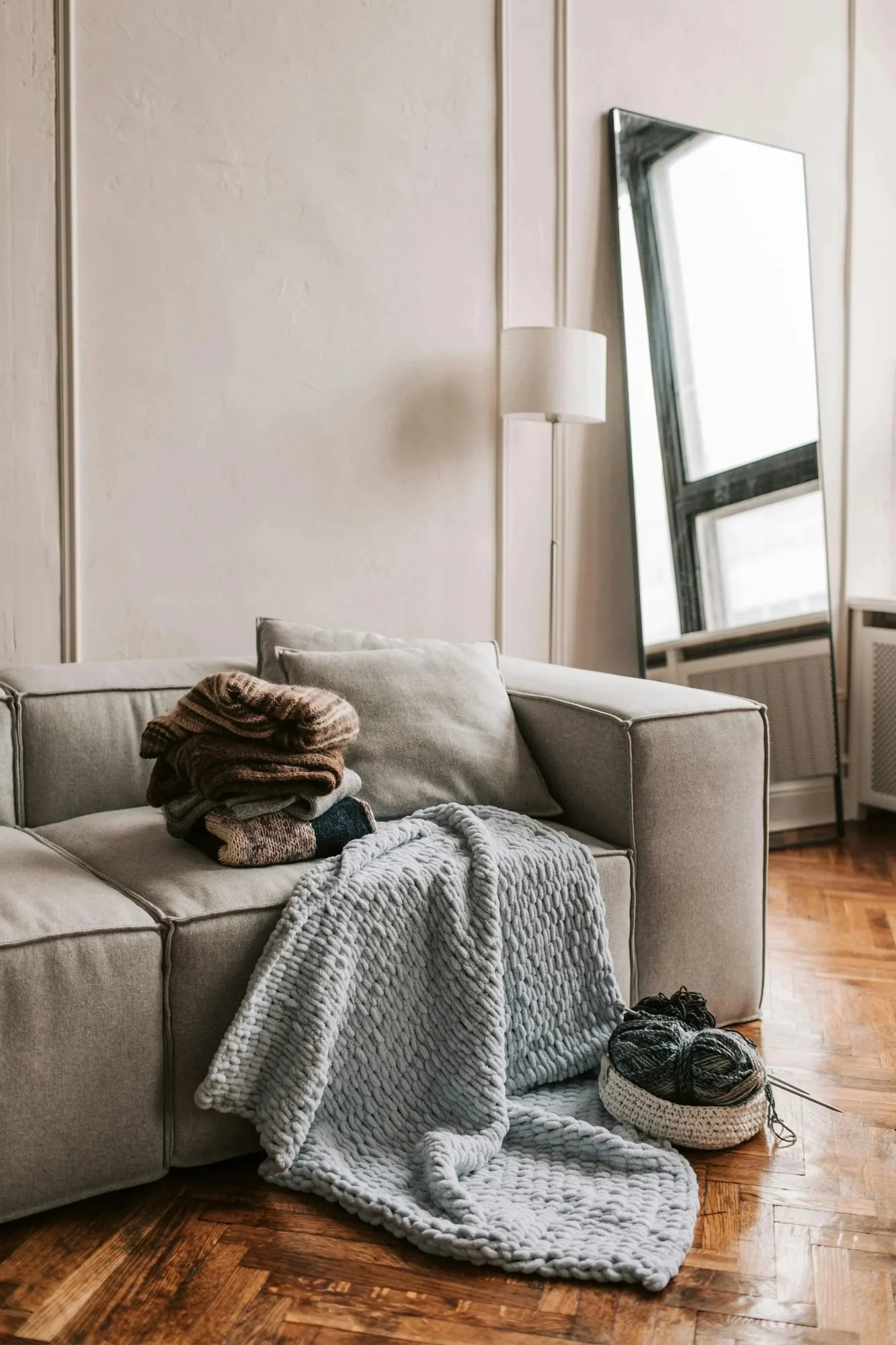
a soft rug
a floor cushion
a small chair
a lamp or basket nearby
Keeping the area uncluttered is key. This space should feel light and intentional, not crowded. This is where editing becomes more important than adding. By limiting what’s in the space, you allow it to feel more open and restful.
You can also think about the sensory experience. Softer lighting, muted tones, and gentle textures all contribute to a feeling of restfulness. Even in a lively household, these small details can shift how a space feels.
If the challenge is not the idea but making it work in the reality of your layout, storage, and daily routines, it can help to explore practical organisation services that turn calm intentions into workable home systems.
Step 2: Decide What Belongs in the Quiet Zone
When considering relaxation corner ideas, it’s helpful to think in terms of how the space will be used rather than how it will look.
Comfort is the foundation. Whether it’s a cushion, a bean bag, or a chair, the seating should invite you to slow down. Layering soft textures - such as a throw or a cushion - can make the space feel more settled and welcoming.
Lighting also plays an important role. Natural light is ideal, but where that’s not possible, opt for something soft and warm rather than bright overhead lighting. The aim is to create a gentle atmosphere.
What to include in a calm space
Comfortable seating such as a cushion, bean bag or chair
Soft textures like a throw or cushion
Gentle lighting
A small selection of books or colouring materials
One basket or tray for tidy storage
What to leave out
Noisy or highly stimulating toys
Too many decorative items
Overflowing storage
Anything that makes the space feel busy rather than restful
Ultimately, the most effective version is one that feels effortless to use and maintain.
Step 3: Make Quiet Time Feel Natural for Children
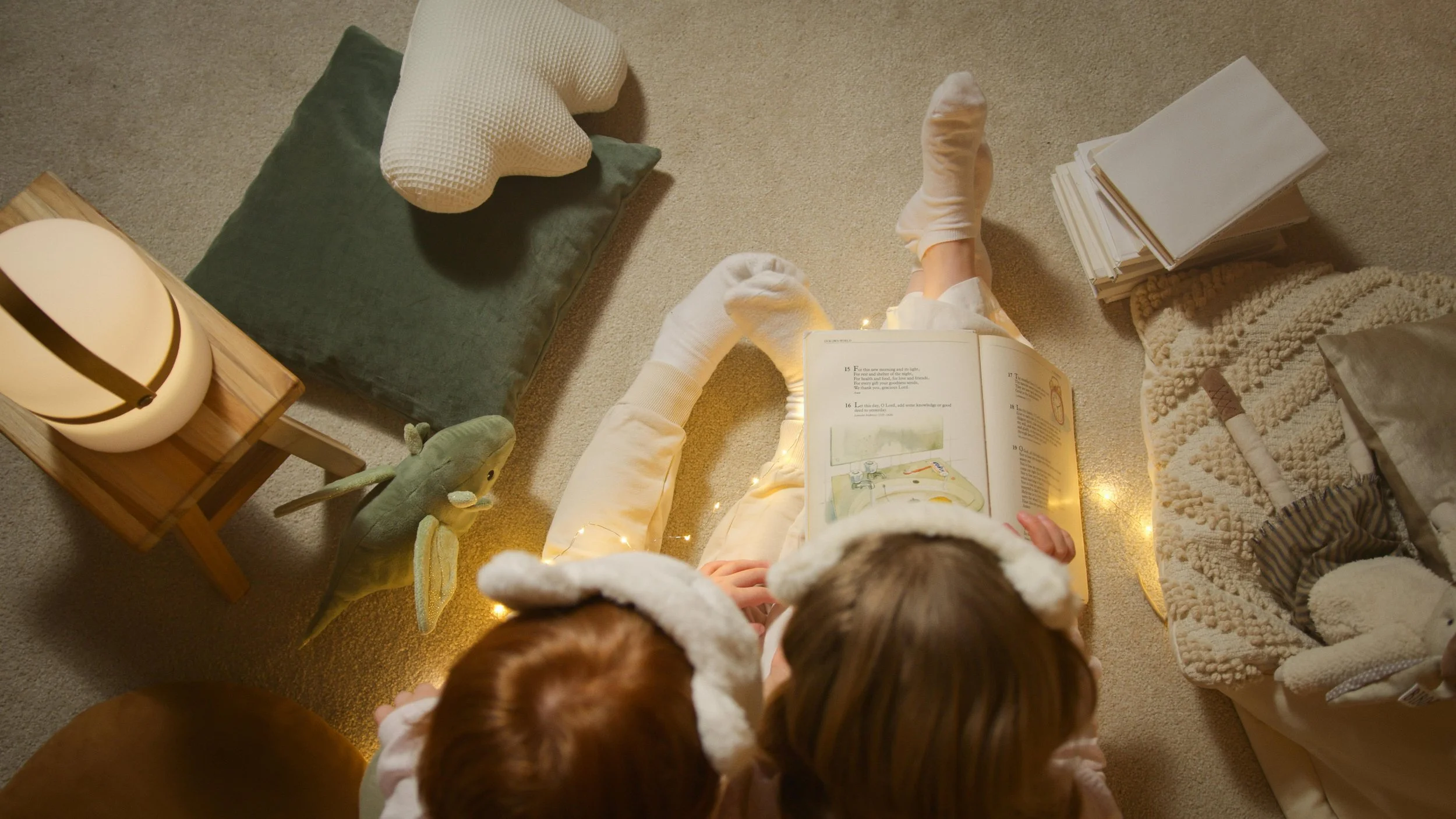
Introducing this kind of quiet time can feel challenging at first, especially in a home where they’re used to constant activity. But with the right approach, it can become a natural and welcomed part of their routine.
The first step is to make the space feel inviting rather than instructional. Children are far more likely to use it if it feels like a choice, not something they are being told to do.
Simple ways to encourage quiet time for kids
keep the setup cosy and familiar
model calm behaviour yourself
use positive language like “time to relax” or “time for a little break”
build the habit into natural points in the day, such as after school or before bed
Step 4: Support a More Relaxed Home Overall
While a calm corner is a powerful addition, it works best as part of a wider approach to creating a more peaceful home.
A stress-free home setup begins with clarity. When there is less clutter, there is less visual distraction - and in turn, less mental overwhelm. Simplifying your belongings can have a surprisingly soothing effect on how your home feels.
Equally important is making sure everything has a place. When systems are intuitive and easy to maintain, daily life becomes smoother. You spend less time searching for things and more time enjoying your space.
Zoning your home can also support this sense of ease. When different areas are designed for specific activities - whether that’s relaxing, working, or playing - it creates a natural flow that reduces friction throughout the day.
Finally, consistency is key. Small, regular resets help maintain order without it ever feeling overwhelming. It’s these simple habits, repeated over time, that allow a home to feel calm in a lasting way.
When a calmer home needs more than one small fix, it can help to look at what support options and pricing look like in practice.
Do Calm Corners Really Work?
Yes - but not in the way people often expect.
They are not about creating a picture-perfect moment. They’re about offering a consistent, reliable space that supports how your family feels and functions.
For children, they provide a gentle way to step away and regulate emotions. For adults, they offer a pause - a chance to reset, even briefly, during a busy day.
Like all wellbeing spaces, their impact builds gradually. The more they are used, the more natural they become. Over time, they shift the overall rhythm of your home, making calm feel more accessible.
Common Mistakes to Avoid
Choosing a spot that is too busy or exposed
Overfilling the space with books, toys or décor
Making the area feel like a punishment rather than a retreat
Expecting children to use it straight away without modelling it first
Forgetting to reset the space so it stays calm and usable
Bringing It All Together
A family quiet zone does not need a spare room or a perfectly styled home. What matters most is giving the space a clear purpose and keeping it simple enough to use in everyday life.
A calm corner works best when it includes:
A clearly defined spot
Comfortable seating
Minimal, low-stimulation items
A sense of routine around how it is used
In a busy home, even a small quiet zone can help shift the tone of the day and make calm feel easier to access.
If you want help creating calmer, more functional spaces across your home, you can explore our organisation services or view pricing to see what support could look like.
FAQs
How often should a family quiet zone be reset or tidied? A quick reset every few days is usually enough to stop the space from becoming another clutter spot.
What age can children start using a quiet zone independently? That depends on the child, but even young children can begin using one with gentle modelling and a simple setup.
Should screens be allowed in a calm corner? In most cases, no. A quiet zone usually works better when it is kept separate from devices and other highly stimulating activities.
Can a family quiet zone work in a shared living room? Yes. It does not need to be fully separate; it just needs a clear visual identity and a consistent purpose.
How do I stop a quiet zone from turning into general storage? Keep only a small number of items there and make resetting the space part of your normal weekly rhythm.
Is a quiet zone the same as a timeout space? No. A quiet zone should feel supportive and optional, not corrective or punitive.

Jessica has been part of the Homefulness team since 2019, first as a professional organiser and now leading business development and social media. With a background in merchandising and retail management, she pairs a sharp eye for styling with practical, systems-led organisation, and has helped clients across London and the South East create calmer, clutter-free homes.
Meet the Homefulness team →Found this useful? Add Homefulness as a preferred source on Google.