
There is a particular kind of household task that never quite gets crossed off the list.
It is remembering that the school form needs signing. Noticing that the washing powder is nearly finished. Knowing which child needs new shoes, what is planned for dinner tomorrow and whether anyone has booked the dentist appointments that have been postponed twice already.
Individually, these things seem small. But they rarely arrive one at a time. They sit alongside work, family life and the everyday business of keeping a home running, forming a continuous list of things to remember, anticipate and organise.
Often, one person becomes the keeper of that list.
They may not be the person doing every household task, but they are the one who knows what needs doing, when it needs to happen and whether anyone has remembered. It is this less visible part of running a home that is often described as the mental load.
At Homefulness, we believe thoughtful organisation should do more than make a home look beautiful. It should make the home easier to live in. One of the most useful places to begin is by looking at what the home could help everyone remember, rather than leaving it all to one person.
With a few considered changes, it is possible to create clearer routines, make everyday information easier to find and establish household systems that more than one person can confidently manage.
The aim is not to organise every minute of family life. It is to create more space for the things that matter beyond the running of the household.
What is the mental load?
The mental load is the planning, anticipating and remembering that happens behind everyday responsibilities. At home, it includes everything from noticing what needs replacing to keeping track of appointments, coordinating family schedules and thinking ahead about what everyone will need.
It is the work that happens before the task itself - and often continues after it.
Consider the weekly food shop. The physical task might be a trip to the supermarket or an online order. But before that, someone needs to notice what is running low, check what is already in the cupboards, think about upcoming meals, remember everyone's preferences and make sure the essentials arrive in time.
This is one example of what researchers call cognitive household labour: the thinking work involved in keeping family life running.
Research from the University of Bath and the University of Melbourne has examined how this work is shared between parents. A 2024 study of 3,000 US parents found that mothers reported being primarily responsible for 71% of the household tasks requiring mental effort that the researchers examined. The findings illustrate how easily the planning and remembering behind family life can become unevenly distributed. You can read the University of Bath's summary of the research.
Although the way this work is divided varies between households, the practical question remains the same: how much of what keeps your home running depends on one person remembering it all?
When a tidy home still feels difficult to manage
A beautifully organised home is not necessarily a home that is easy to manage.
The kitchen might be orderly, the wardrobe carefully arranged and the children's belongings neatly stored. Yet if one person is still responsible for knowing where everything belongs, what needs replacing and which tasks have been left unfinished, the household continues to rely heavily on their memory.
This is because there is a difference between having a place for everything and having a system that everyone understands.
In our work at Homefulness, we look beyond how a room appears to understand how it functions day to day. Often, the most revealing details are not the obvious signs of clutter, but the small arrangements that have become part of everyday life.
An entrance, for example, might look perfectly presentable at the beginning of the day, yet still leave everyone searching for their keys, school bags or the things they need before leaving the house. In a kitchen, a clear worktop can quickly fill with items that have no obvious home, from post waiting to be dealt with to belongings that have been put down temporarily and never quite moved on.
These are not necessarily signs that a home needs more storage or another ambitious tidying routine. They can be clues that the systems behind the space are not keeping pace with the people who use it.
When a home is organised around one person's knowledge, even the simplest tasks can require their involvement. They become the person who answers the questions, gives the reminders and notices what has been missed.
Thoughtful organisation takes a wider view. It considers not only where things belong, but whether those arrangements make sense to everyone who uses them.
A useful system should be easy to understand, straightforward to maintain and clear enough that another person can use it without needing to ask where to begin. That is when organisation starts to support the household, rather than simply creating a tidy result.
The everyday places where the mental load builds
The mental load rarely belongs to one room. It moves throughout the home, gathering around the small responsibilities that keep everyday life on track.
Looking at these familiar pressure points can help reveal where a more considered arrangement might make a difference.
The entrance: everything that needs to leave the house
The entrance is often one of the busiest spaces in a family home. It is where school bags, coats, shoes and all the little things needed for the day ahead come and go. Without a clear place for these belongings, the space can quickly become a dumping ground, leaving someone to sort through the pile or search for what is missing each morning.
In one recent Homefulness project, a busy family with children was finding that their entrance had become a daily bottleneck. Bags, shoes and other belongings were accumulating because there was no designated place for each child to put their things away.
Our solution was to create individual cubby shelves for each child, giving their everyday belongings a clear, designated home. Rather than relying on a parent to gather everything up or remember where each item had been left, the children had their own spaces to use.
It was a simple change, but one that addressed the underlying problem: the family did not necessarily need to try harder to keep the entrance tidy; they needed a system that made it easier for everyone to put things away.
This is an important distinction. When belongings have an obvious home, and that home is easy for everyone to access, maintaining order becomes a shared responsibility rather than another task for one person to manage.
For busy family homes, thoughtful organisation often begins with these everyday details. A well-planned entrance can help make leaving the house more straightforward, while giving the day a calmer starting point.
The kitchen: knowing what is running low
Food shopping can become a surprisingly involved piece of household management. There are ingredients to replace, meals to plan, preferences to remember and supplies that seem to run out just when they are needed.
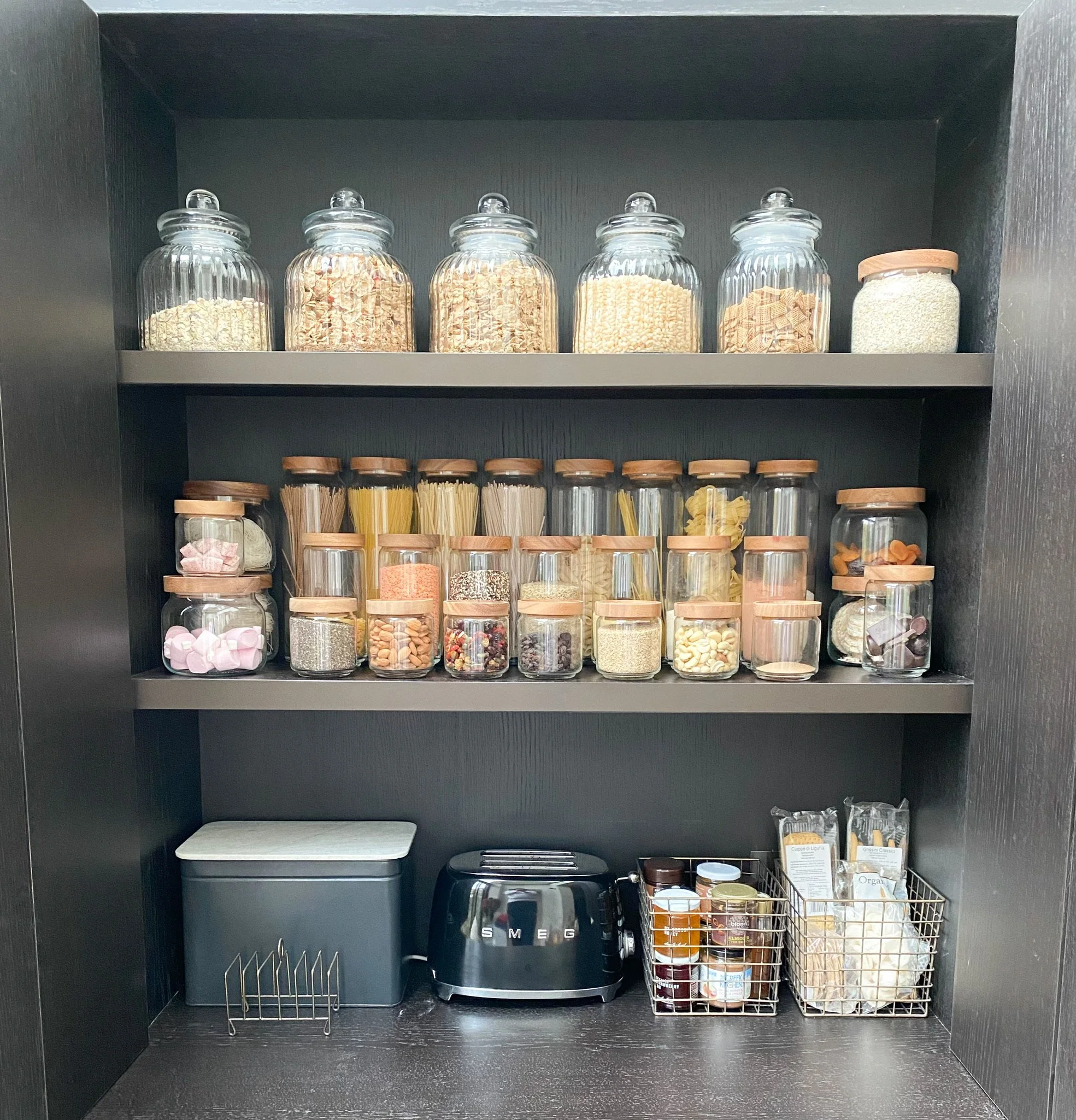
A well-organised pantry and fridge can make the contents of the kitchen easier to see. Grouping items by category and keeping frequently used ingredients accessible helps everyone understand what is available.
Pair this with a shared shopping list that anyone in the household can update when something runs low. Rather than relying on one person to notice and remember every missing item, the information is available to everyone.
The paperwork: the things that need attention
School letters, appointment reminders, bills, forms and documents that must be kept all need somewhere to go.
When paperwork is spread across kitchen counters, bags and drawers, it becomes harder to distinguish what needs action from what can simply be filed away.
A straightforward system can make a difference: one place for incoming paperwork, another for items requiring action, and an agreed home for documents that need to be retained.
The system does not need to be elaborate. It simply needs to be consistent, visible and understood by the people responsible for using it.
The wardrobe: keeping track of what fits
Children grow, seasons change and clothes move in and out of everyday use. Someone needs to notice when shoes become too small, when uniforms need replacing and when clothing no longer belongs in the current wardrobe.
Clear categories for everyday clothes, schoolwear and seasonal items can make it easier to see what is available. A designated place for clothes that need to be reviewed, passed on or stored away can also prevent these decisions from becoming a constant background task.
The aim is not to create another complicated routine. It is to make changes easier to spot and simpler to manage when they arise.
The family calendar: knowing what happens next
Appointments, school events, clubs, birthdays and work commitments all need to fit together.
If the family calendar exists only in one person's head, everyone else depends on them to communicate what is happening and what needs to be prepared.
A shared digital calendar or a visible household planner gives everyone a common point of reference. When commitments are recorded in one agreed place, it becomes easier for each person to check what is coming up and take responsibility for their own arrangements.
Children's belongings: keeping up as they grow
From toys and books to school supplies and sports equipment, children's belongings change as quickly as their interests and routines.
Storage that is clearly categorised and accessible makes it easier to see what is being used, what needs replacing and where things belong. It also gives children a better chance of finding and putting away their own belongings independently.
These small arrangements can make household responsibilities easier to share, without requiring one person to oversee every detail.
Together, these everyday pressure points form a useful mental load list. Not another list to add to an already busy day, but a way of identifying which responsibilities currently depend on someone remembering everything - and where a visible system could take some of that work off their hands.
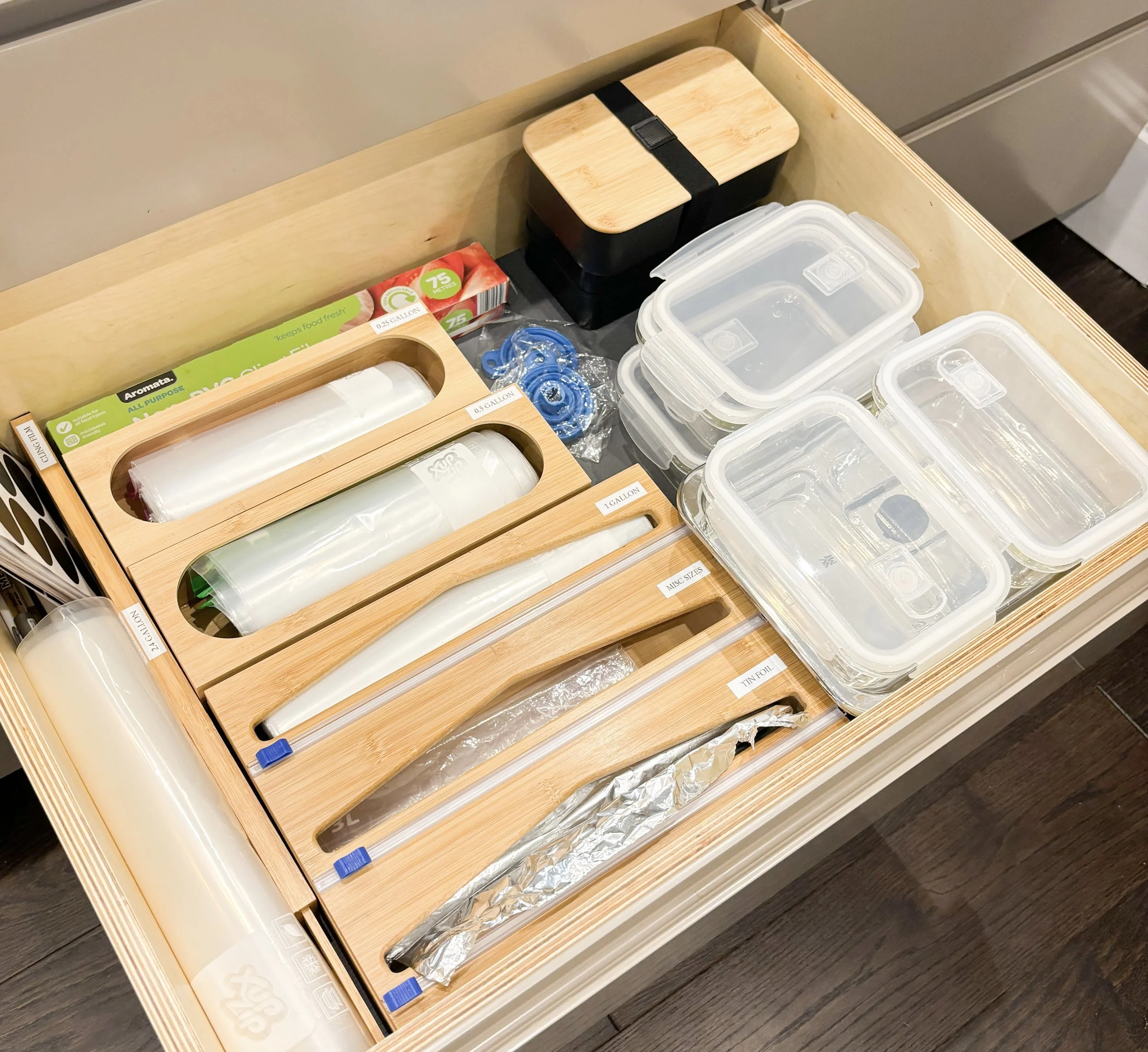
The most useful organising systems are often the simplest. They make information visible, give belongings a consistent place and remove the need to explain the same thing repeatedly.
Rather than introducing more storage or complicated routines, begin by asking what information the household needs and where it would be most useful to keep it.
Make everyday essentials easy to find.
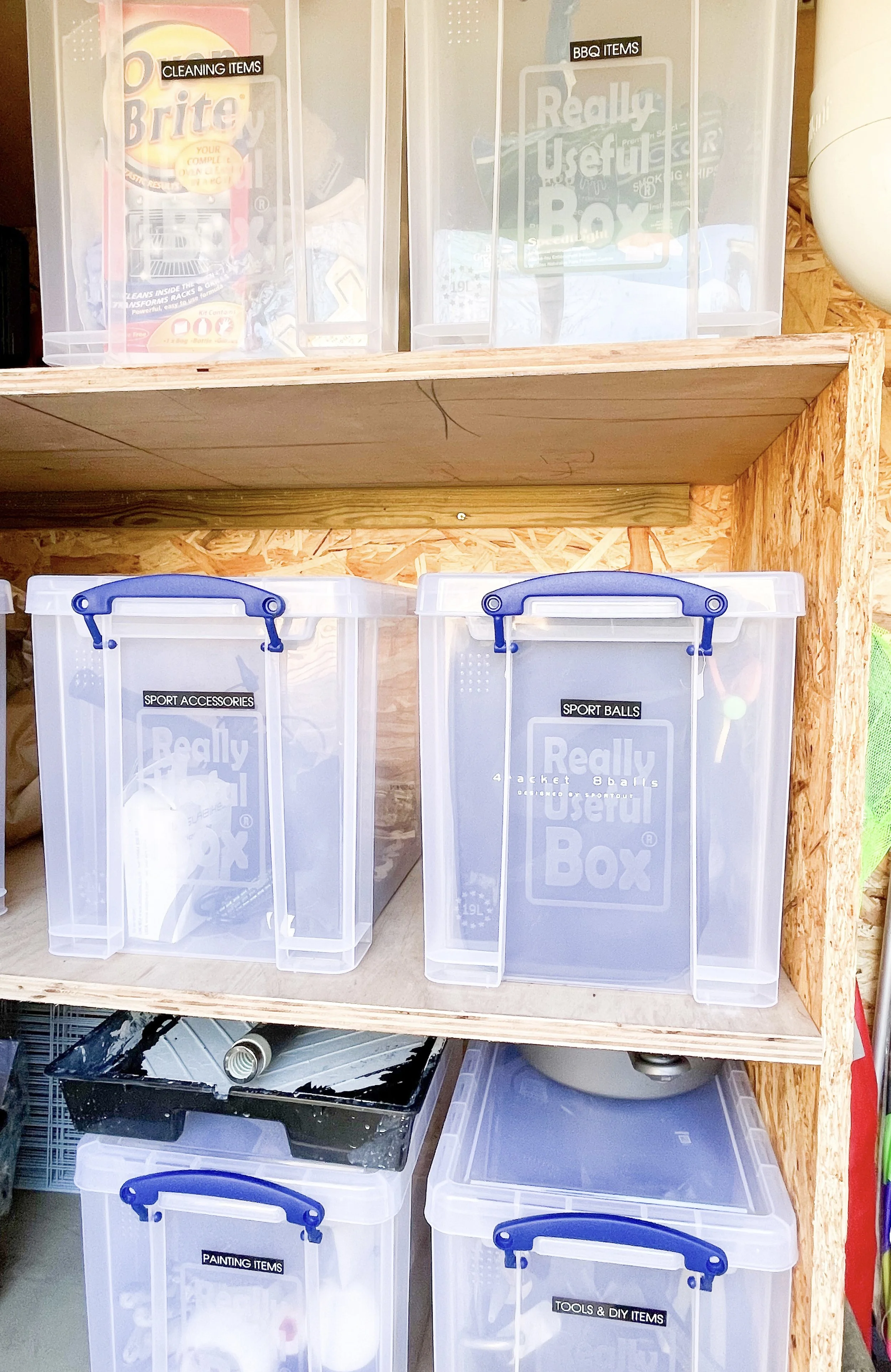
Think about the things people ask for most often. Lunchboxes, cleaning supplies, spare batteries, school bags and frequently used kitchen items should have clear, consistent homes.
Labels and simple categories can help everyone recognise where things belong. Storage should be easy to access and practical to use, so putting something away is just as straightforward as taking it out.
Keep household information in one agreed place.
Whether it is a shared calendar, a family noticeboard or a digital list, choose a system that suits the household and make sure everyone knows where to find it.
The objective is not to record every detail of daily life. It is to create a reliable place for the information that would otherwise need to be remembered or repeatedly communicated.
Make restocking a shared responsibility.
Choose a designated place for spare household essentials, such as toiletries, cleaning products and kitchen supplies. Agree how items are added to the shopping list when they run low.
When anyone can see what is available and where replacements are recorded, keeping track of everyday necessities becomes less dependent on one person.
Give paperwork a clear next step.
A letter that needs signing, a form that needs returning and a document that needs filing are different things. A simple system that separates these categories makes it easier to see what requires attention.
Agree who will check the system and how outstanding items will be handled. The aim is to make responsibilities visible, rather than leaving them tucked away in a drawer or someone's memory.
Design around the way your household lives.
A system should reflect the people who use it. If everyone drops their keys on the kitchen counter, a designated place nearby may work better than a beautifully arranged key cupboard elsewhere. If children dress themselves every morning, their storage should be easy for them to reach.
One of the principles behind our work at Homefulness is that a system should make sense to the people using it, not simply look good once it has been put in place.
We consider the small decisions that make an arrangement work over time: whether children can reach their own belongings, whether household essentials are easy to identify, and whether someone other than the person who usually manages the space can put things away correctly.
These details may seem modest, but they change the way a household interacts with its surroundings. Instead of relying on one person to explain, retrieve and remember, the space itself provides more of the information everyone needs.
Good organisation is not simply about deciding where things should go. It is about making those decisions useful to the whole household.
How to share the mental load more fairly
Sharing household tasks is important, but sharing the thinking behind them matters too.
If one person must notice what needs doing, explain how to do it and follow up to make sure it happens, much of the responsibility remains with them. The task may have changed hands, but the mental load has not necessarily moved with it.
A more useful approach is to share responsibility for an entire process or area of household life.
For example, taking responsibility for school lunches might include knowing where the lunchboxes are kept, checking what food is available, noticing when supplies need replacing and making sure everything is ready for the next day.
Taking responsibility for laundry might include keeping track of what needs washing, knowing where clothes belong and making sure essential items are ready when needed.
The exact division will look different in every household. What matters is that responsibilities are agreed, expectations are clear and each person has the information they need to manage their part without relying on someone else to oversee it.
How do you explain the mental load to a husband or partner?
It can be difficult to describe the mental load when so much of it is made up of small, ordinary things. Often, the most helpful starting point is to make the work visible.
Instead of looking only at who cooks dinner, for example, consider everything that happens around that task: planning meals, checking ingredients, remembering preferences, shopping and deciding what needs using first.
The same exercise can be applied to school arrangements, laundry, household shopping and family commitments.
Writing down these responsibilities together can help reveal the work that sits behind the visible tasks. A mental load list can be a useful starting point for discussing how responsibilities are currently managed and what could be shared differently.
From there, agree on a few practical changes. Decide who is responsible for which areas, where the relevant information will live and what each person needs to manage their commitments independently.
Organisation is not a substitute for an honest conversation about fairness, and a label on a cupboard cannot resolve every difference in responsibility. But clear, shared systems can make it easier for everyone to take ownership of the work involved in running a home.
Make the system work for everyone
A household system should not depend on one person's ability to explain it.
Children can be included in age-appropriate ways, with accessible hooks, clearly organised drawers and labelled baskets that help them find and return their belongings. Anyone who helps in the home can also benefit from consistent storage, clear categories and agreed arrangements.
When everyone understands how a system works, it becomes easier to participate in maintaining it.
The aim is not to expect every household member to do everything. It is to create an environment in which responsibilities can be shared more practically, without one person having to act as the permanent source of information.
Fewer belongings, fewer decisions
Sometimes, the mental load grows because there is simply too much to keep track of.
A wardrobe filled with clothes that no longer fit, a kitchen cupboard crowded with duplicate utensils or a playroom where toys are difficult to find can all make ordinary decisions more involved.
Every item takes up space, and many also require decisions about where they belong, whether they are still needed and how they should be maintained.
We also see how easily temporary arrangements can become part of the everyday landscape of a home. A pile of paperwork waiting to be sorted, clothes set aside to review or toys that have outgrown their usual storage can remain in place for weeks because the next step has never been clearly decided.
Over time, these unfinished decisions take up more than physical space. They become things to notice, remember and eventually deal with.
Sometimes, the answer is to introduce a clearer system. At other times, it begins with deciding whether everything needs to be kept in the first place. By reducing the belongings that no longer serve the household and giving the remaining items a clear home, it becomes easier to see what needs attention and maintain the space around it.
This does not mean aiming for a minimalist home or removing everything that is not used every day. It means making considered decisions about what deserves space and ensuring that the things you keep are easier to see, access and put away.
If a particular area has become difficult to manage, our decluttering services can help you take a more considered approach to the belongings you keep and how they are used.
Start with one small change
When every part of the home seems to need attention, it is easy to feel that everything must be tackled at once. In reality, the most useful place to begin is often the one area that creates the most repeated questions, reminders or searching.
Perhaps everyone asks where their shoes are. Perhaps the kitchen shopping list is always incomplete, or school paperwork regularly disappears. Maybe the family calendar is held together by one person's memory.
Choose one of these frustrations and look at what would make it easier to manage.
Could a designated place by the front door help everyone find what they need? Would a shared shopping list remove the need to remember which essentials are running low? Could a visible paperwork system make outstanding forms easier to manage?
Start with a change that is small enough to put in place and simple enough for everyone to use. Give it time to become familiar before deciding whether another area needs attention.
You do not need a whole-house project to begin making your home work better. Sometimes, a single well-considered change can remove a surprisingly persistent source of friction from everyday life.
When can professional home organisation help?
Knowing that a space is difficult to manage is one thing. Finding the time to work out why it is not working, decide on a better arrangement and put a practical system in place is another.
Professional home organisation begins with understanding the household behind the space. How is the room used? What needs to be accessible? Which routines create the most difficulty? What would make it easier for everyone to find things, return them and take responsibility for their own belongings?
At Homefulness, we take a considered, individual approach to organising homes. We look at the way our clients live, the spaces they have and the practical details that would make everyday life easier to manage.
That might mean creating a more intuitive kitchen, organising a wardrobe around the needs of the people using it, or establishing clear storage for children's belongings and everyday essentials.
The result is not simply a room that looks organised on the day. It is a considered system designed around the household, with the aim of making everyday routines more straightforward and responsibilities easier to manage.
For households looking for support, our bespoke home organisation services offer a way to approach these spaces with care, clarity and a practical plan.
Creating space for what matters
A home will always involve some planning, remembering and adapting. Family life changes, routines evolve and there will always be things that need attention.
But not every detail needs to live in one person's head.
When belongings have clear places, information is accessible and household systems are understood by everyone who uses them, there is less need to search, explain and remind. The work of running a home can become easier to navigate and more possible to share.
This is the value of thoughtful organisation. Not a perfect home, or a life without lists, but a home that supports the people who live in it rather than relying on one person to keep everything moving.
Creating space for what matters is about more than the space around us. It is about making room for time together, personal interests, quiet moments and the everyday pleasures that can get lost among the practicalities of running a household.
Sometimes, it begins with a simple question: what are you having to remember that your home could help you manage instead?
If you would like support creating household systems that work with your space and routines, get in touch with Homefulness to explore how we can help.
Frequently Asked Questions
What does mental load mean?
The mental load is the planning, anticipating and remembering that sits behind everyday responsibilities. At home, it includes keeping track of appointments, organising family schedules, noticing what needs replacing and making sure the practical details of household life are taken care of.
How do I lower my mental load at home?
Start by identifying the tasks and reminders that occupy the most attention. Introduce simple, visible systems for the areas that create the most repeated questions, such as household shopping, paperwork, family schedules and everyday belongings. Where possible, share responsibility for maintaining these systems so they do not depend on one person alone.
How can couples share the mental load more evenly?
Begin by making the full range of household responsibilities visible, including the planning and remembering that happen before a task is completed. Agree on clear areas of responsibility and establish shared systems that allow each person to manage their commitments without relying on repeated reminders from the other.
Can home organisation reduce the mental load?
Thoughtful home organisation can make some aspects of household management easier by giving belongings, information and everyday tasks a clear place and process. It can reduce reliance on memory and repeated explanations, although it is one practical support rather than a complete solution to an uneven division of responsibilities.
What household systems help a busy family most?
The most useful systems are those that address the family's everyday pressure points. These often include a shared calendar, a designated place for school bags and coats, an accessible paperwork system, a shared shopping list and storage that makes it easy for everyone to find and return belongings.
Where should I start if everything feels like too much to manage?
Choose one small, recurring frustration rather than attempting to organise the entire home. Focus on the task that generates the most questions, searching or reminders, and introduce one straightforward system to make it easier. Build on that change once it is working well.

Jessica has been part of the Homefulness team since 2019, first as a professional organiser and now leading business development and social media. With a background in merchandising and retail management, she pairs a sharp eye for styling with practical, systems-led organisation, and has helped clients across London and the South East create calmer, clutter-free homes.
Meet the Homefulness team →