
What to Never Throw Away: 7 Things Deserving a Second Look
Decluttering can feel like a reset, a chance to clear space, lighten your home, and bring a sense of calm back into everyday life. But in the rush to simplify, it’s easy to let go of things you later wish you had kept.
Many people experience decluttering regrets, often realising too late that certain items held more value than they first thought, whether practical, financial, or deeply personal.
Knowing what not to throw away helps you declutter more intentionally, without creating expensive mistakes or losing things that still matter. It also stops you from feeling overwhelmed when your next clearout comes around.
So how do you strike the balance between letting go and holding onto what truly matters? In this guide, we’ll explore things to keep when decluttering, highlight items with hidden value, and help you make confident, considered decisions you won’t regret.
Quick decluttering rule: if something is hard to replace, costly to rebuy, or deeply meaningful, it deserves a second look before you let it go.
What Should I Never Throw Away When Decluttering?

While every home and lifestyle is different, there are certain categories of belongings that deserve a second look before being placed in a donation bag or sent to recycling. These are often storage-worthy items that either serve a long-term purpose, hold sentimental meaning, or may become useful again in ways you didn’t anticipate.
The goal is not to keep everything, it’s to avoid discarding items that still have value beyond their current use.
1. Important Documents and Personal Records
This may seem obvious, but important paperwork is one of the most commonly mishandled categories during a declutter. Birth certificates, legal documents, property records, warranties, and financial paperwork should always be carefully reviewed and securely stored.
Even older documents can become relevant later, especially when it comes to tax records, home improvements, or insurance claims.
Tip: create a simple filing system so these documents are easy to access without adding to visible clutter.
2. High-Quality Basics and Investment Pieces
During a clear-out, it’s tempting to be ruthless with clothing or household items that aren’t used every day. But high-quality basics, such as well-made coats, classic wardrobe staples, or durable kitchenware, are often items with hidden value.
Seasons shift, lifestyles change, and practical needs come back around. What feels unnecessary now may become something you rely on later.
Ask yourself:
Would I need to repurchase this in the future?
Is this difficult or expensive to replace?
If the answer is yes, it may be worth keeping.
3. Sentimental Items, Kept With Intention
Sentimental clutter is one of the hardest areas to handle when decluttering. Photographs, letters, heirlooms, and children’s artwork often carry emotional weight, which makes quick decisions difficult.
The aim is not to keep every sentimental item. It’s to curate a collection that genuinely reflects the memories, people, and moments that matter most.
A helpful approach is to create a dedicated memory box or folder for each family member. That turns sentimental items into intentional keepsakes rather than scattered clutter.
If sentimental items are starting to feel overwhelming, our decluttering service can help you sort what feels meaningful from what is simply taking up emotional and physical space.
4. Items You Rarely Use, But Truly Need
Not everything in your home needs to be used weekly to earn its place. Some storage-worthy items serve occasional but important purposes, such as luggage, seasonal décor, specialist tools, or formalwear.
These are the items people often part with too quickly, then end up replacing at extra cost later.
Consider:
How often is this realistically used?
Would not having it create inconvenience or cost in the future?
If it serves a clear purpose, even occasionally, it probably deserves to stay.
5. Spare Parts, Manuals, and Accessories
These are easy to overlook, cords, spare buttons, appliance attachments, and instruction manuals, but they are classic examples of items with hidden value.
You may not need them often, but when you do, they can save time, money, and frustration. Losing them can make repairs, replacements, or everyday use more complicated than it needs to be.
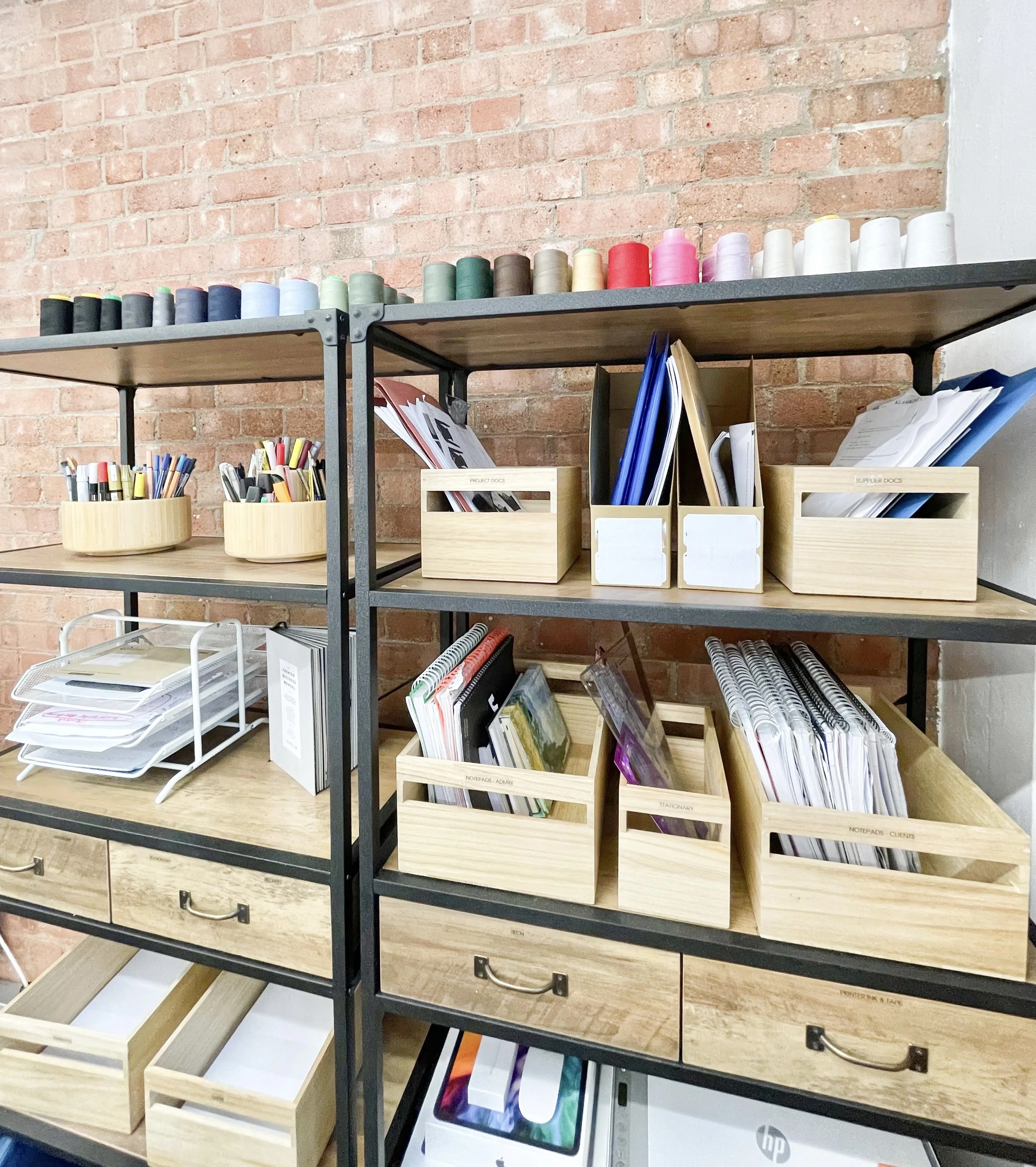
Keep it organised: store these items in clearly labelled containers so they stay useful rather than becoming clutter themselves.
6. Items with Genuine Future Potential
Some belongings do not have an immediate purpose but still have future value. This could include:
furniture that could be repurposed
baby items saved for future children or family members
materials for hobbies you genuinely plan to return to
The key here is honesty. Keep items with a realistic future purpose, not vague just-in-case thinking.
A good test is whether you can clearly explain the future use. If you can, it may be worth keeping. If not, it may be adding more weight than value.
7. Things That Reflect Who You Are
Your home should feel personal, not purely minimal. Items that reflect your personality, interests, and lifestyle, such as books you love, meaningful décor, or creative tools, are worth holding onto.
Decluttering is not about stripping your space of identity. It’s about removing what no longer supports you, so that what remains feels more aligned, useful, and intentional.
Are There Items People Regret Donating?
Absolutely, and decluttering regrets are more common than most people expect.
Some of the most frequently mentioned include:
sentimental items given away too quickly
high-quality clothing or furniture with long-term value
items replaced later at a higher cost
family heirlooms or inherited pieces
practical items that were expensive to rebuy
These regrets usually happen when decisions are made too quickly, without enough time to think through future needs, emotional value, or replacement cost.
A simple solution is to create a pause box. Place uncertain items inside and revisit them after a few weeks or months. This gives you distance without turning one quick decision into a permanent regret.
What Has Hidden Value in the Home?
Many homes contain items with hidden value that are easy to overlook during a clear-out. They may not seem important at first glance, but they can prove useful, meaningful, or financially valuable later.
Common examples include:
vintage or inherited pieces
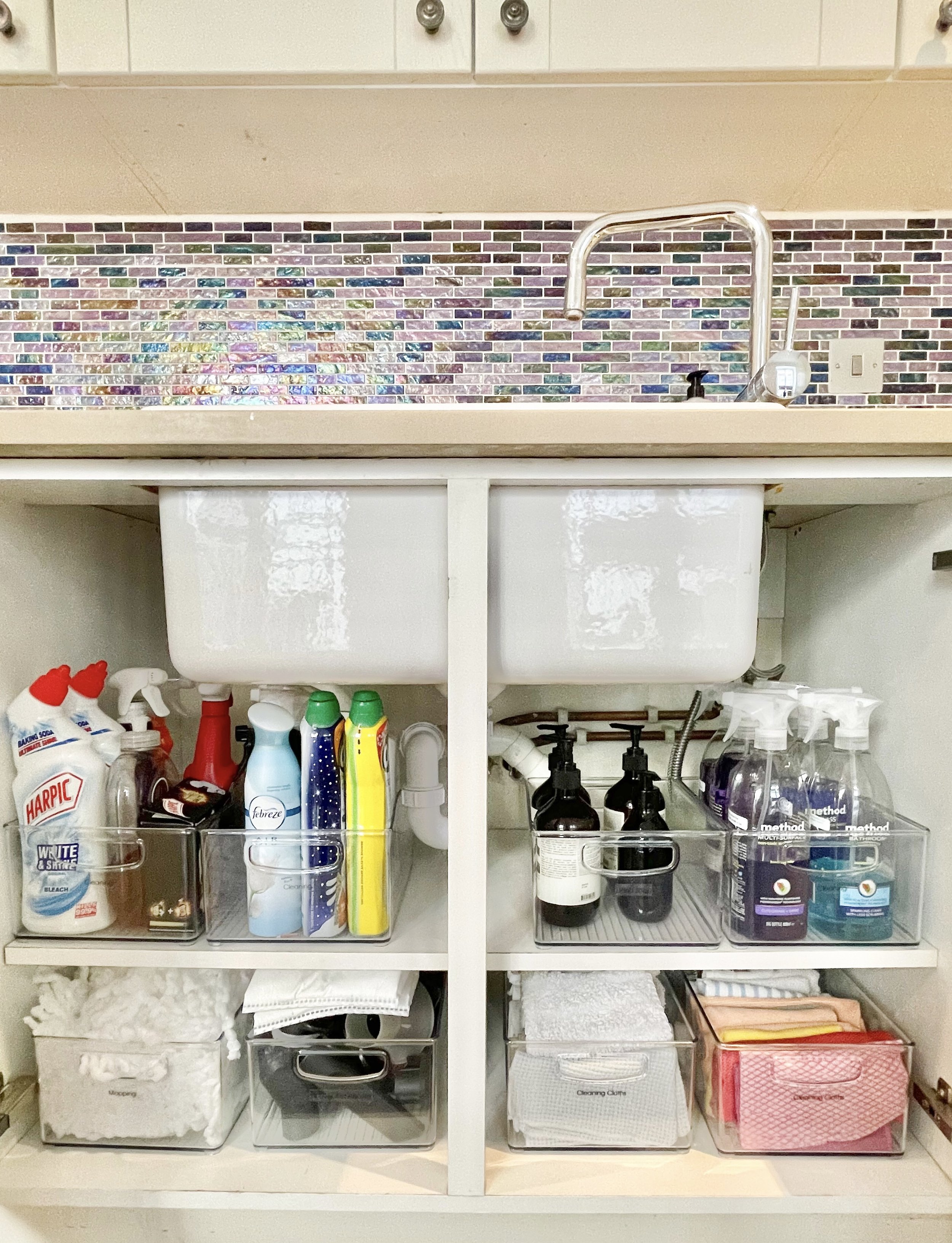
quality storage solutions
unused gift items
craft materials or tools
spare household essentials
Hidden value is not always about money. Sometimes it is about practicality, convenience, or emotional connection.
If you’re unsure whether something is clutter or a genuinely useful item, it often helps to step back and look at how your home functions as a whole. Our home organisation services can help you create clearer systems, so it becomes easier to see what is worth keeping and what is ready to leave.
How Do I Decide What to Keep?
Knowing the right things to keep when decluttering comes down to asking better questions. Instead of focusing only on what to remove, shift your thinking towards what genuinely deserves a place in your home.
Ask yourself:
Does this item serve a clear purpose in my life?
Would I replace this if I got rid of it?
Does this add ease, function, or meaning to my home?
Am I keeping this out of guilt or because it still has genuine value?
These questions help you make calmer, more intentional decisions, rather than reacting to clutter with all-or-nothing thinking.
Decluttering is not about perfection. It’s about creating a home that supports your daily life and feels easier to manage.
Is It Better to Donate or Repurpose?
Both options can be useful, and the right choice depends on the item.
Donate when:
the item is in good condition but no longer serves you
someone else could benefit from it straight away
you feel confident you will not need it again
Repurpose when:
the item has potential for a new use in your home
it holds sentimental value but needs a fresh purpose
replacing it would be costly or unnecessary
For example, a piece of furniture might be refinished, or storage containers might be reused in another room. Repurposing helps you retain value while still adapting your space.
Finding the Balance
Decluttering is as much about mindset as it is about physical belongings. The goal is not to remove as much as possible, it is to create clarity around what truly matters.
By recognising storage-worthy items, understanding sentimental clutter, and identifying items with hidden value, you can avoid common decluttering regrets and make decisions with more confidence.
Your home should feel lighter, but also intentional, supportive, and reflective of your life.
Sometimes, what you choose to keep is just as important as what you let go of.
FAQs
What are the most common decluttering regrets?
The most common decluttering regrets include giving away sentimental items too quickly, donating high-quality pieces that later need replacing, and getting rid of practical items that were expensive to rebuy.
How do I know if something has hidden value?
Look at whether it has practical use, emotional meaning, replacement cost, or future potential. Hidden value is not always financial, it can also be about convenience or long-term usefulness.
Should I keep sentimental clutter?
You do not need to keep everything. The best approach is to keep the items that genuinely represent important memories, then store them intentionally in one dedicated place.
What should I do with items I am unsure about?
Use a pause box. Put uncertain items aside and revisit them after a few weeks. This gives you time and distance without making a rushed decision.
Is it okay to keep things I do not use often?
Yes, if they serve a clear occasional purpose. Luggage, specialist tools, and formalwear are good examples of items that may not be used often but are still worth keeping.
Is decluttering about getting rid of as much as possible?
No. Effective decluttering is about making intentional decisions, not removing the maximum number of items. A calmer home comes from keeping what supports you and letting go of what does not.

Jessica has been part of the Homefulness team since 2019, first as a professional organiser and now leading business development and social media. With a background in merchandising and retail management, she pairs a sharp eye for styling with practical, systems-led organisation, and has helped clients across London and the South East create calmer, clutter-free homes.
Meet the Homefulness team →